Fury as judge lets migrant family of 18 into UK, The Reason Left Many in Surprise

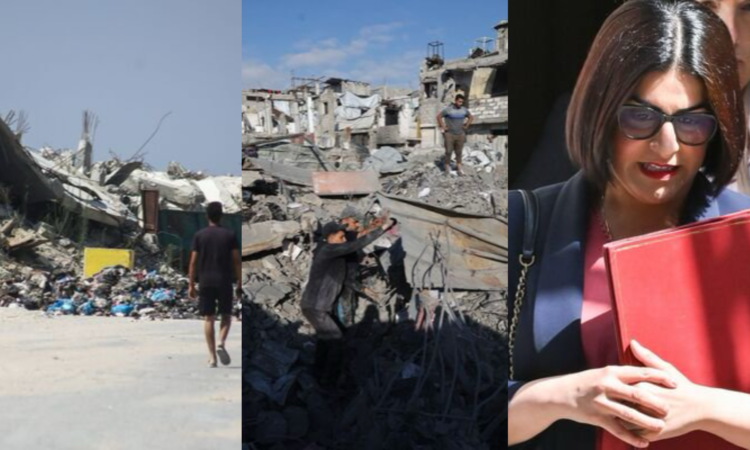
A family of 18 from Gaza have been granted the right to live in the UK after winning a major legal battle based on human rights, despite the Home Office originally refusing their application.
The case centred on a Gaza-born mother of three who had already been granted asylum in Britain after fleeing the conflict. She later applied to bring her close relatives to safety in the UK, but her request was rejected by the Home Office.
The decision was challenged in the courts, where judges ruled that refusing to reunite the family would unfairly interfere with her right to family life under Article 8 of the European Convention on Human Rights.
Following the ruling, the woman will now be reunited with a large part of her family. Those allowed to come to Britain include her three children, her mother and father, one of her brothers along with his wife and four children, one of her sisters and her four children, and another sister together with her husband and their three children. The immigration tribunal granted anonymity to everyone involved in the case, meaning their identities cannot be made public.
The tribunal heard that the family had been living in extremely difficult and dangerous conditions in Gaza, where the ongoing conflict has caused widespread destruction, displacement and loss of life. Judges also heard that the woman already living in Britain, as well as her children, had suffered significant mental health problems because of the constant fear and uncertainty surrounding the safety of their relatives still trapped in Gaza.
The ruling also noted that most of the adult family members do not speak English. Evidence presented to the tribunal showed that the woman living in Britain would be able to accommodate her parents, while the family would rely on support as they settled into life in the UK.
The humanitarian situation in Gaza formed an important part of the court’s decision. The tribunal considered the severe dangers faced by civilians in the territory, which has been devastated by months of fighting and heavy bombardment. According to UNICEF, tens of thousands of children had been killed or injured during the conflict by last September.
The judgment has sparked a strong political reaction. Shadow Home Secretary Chris Philp criticised the decision, warning that it could encourage many more Palestinians to seek asylum or family reunification in Britain.
He argued that the ruling risked “opening the floodgates” and called on Home Secretary Shabana Mahmood to appeal the decision. He also repeated his view that the Immigration Tribunal should be abolished and that the UK should leave the European Convention on Human Rights.
Reform UK deputy leader Richard Tice also criticised the outcome. He claimed the family would require significant financial support from taxpayers after arriving in Britain. The lower tribunal accepted that the family would likely need access to public funds while they established themselves in the UK.
The legal battle began in November 2023 when the application for family reunification was first submitted. The Home Office refused the request, but the family successfully challenged that decision before a lower immigration tribunal in April last year. The Home Secretary then appealed that ruling to the Upper Tribunal, arguing that the original decision should be overturned.
However, the Upper Tribunal dismissed the appeal this week, allowing the earlier ruling to stand. Upper Tribunal Judge Gemma Loughran concluded that refusing the family permission to enter the UK would have such serious and harsh consequences for the woman already living in Britain and her children that it would be disproportionate under the Human Rights Act.
The judge said the impact on the family was so severe that the public interest in maintaining normal immigration controls was outweighed by the need to protect their right to family life.
Under normal UK immigration rules, refugee family reunion is generally limited to immediate family members with close relationships. However, the tribunal found that the exceptional circumstances of the conflict in Gaza justified allowing a wider group of relatives to join the woman in Britain. Similar exceptions have previously been made in response to other humanitarian crises, including for some families fleeing the war in Ukraine.
The case comes after Labour suspended the refugee family reunion scheme last September. Official figures showed that the number of relatives of refugees granted visas to join family members in the UK had risen sharply, increasing from around 4,300 in 2023 to more than 20,600 in the year ending March, prompting changes to the policy.