He Came to the UK and Hid in a Quiet Village Hoping No One Would Recognise Him Because of What He Had Done Before


An Iraqi man who was previously jailed in France for running a large people-smuggling operation has reportedly been found living in Leicestershire while waiting for a decision on his asylum claim in the UK. The case has attracted widespread attention after an investigation claimed he had once made huge amounts of money by helping migrants cross the English Channel using a highly organised smuggling network.
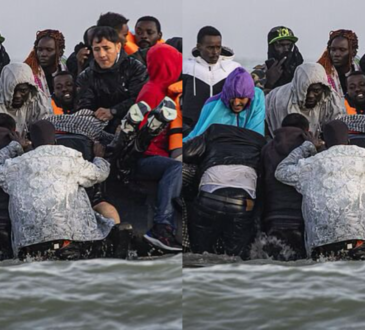
The man, Twana Jamal, was convicted by a French court in 2016 after prosecutors accused him of leading a people-smuggling operation near Dunkirk. They claimed his network arranged illegal journeys to Britain by hiding migrants inside freight lorries transporting cheese and onions. According to prosecutors, the produce released carbon dioxide, making it more difficult for border officials using carbon dioxide detection equipment to detect people concealed inside the vehicles.
French authorities alleged that the operation moved around 80 migrants every month and generated as much as £100,000 a week before Jamal was arrested. Prosecutors said migrants were charged between £4,500 and £5,000 each for a place on the dangerous journeys into Britain. At the time, hiding people inside commercial lorries was said to be one of the main methods used before small boats became the most common way of crossing the Channel.
Jamal denied the accusations during his trial, insisting that he had been mistaken for someone else. However, the French court found him guilty and sentenced him to five years in prison. He was also ordered to be deported to Iraqi Kurdistan after completing his sentence.
Years later, a BBC Radio 4 Intrigue: To Catch a King investigation claimed to have traced Jamal to the village of Blaby in Leicestershire. Investigators said they found him apparently working behind the counter at two Candy Corner shops and alleged that he had been driving a BMW despite not holding a valid UK driving licence. The investigation also claimed he had been using another name while living in Britain.
According to undercover recordings obtained during the investigation, Jamal allegedly said he was making “good money” and claimed, “We know everyone in this city, this city is ours,” before adding, “No one touches us here.” Those comments have since attracted significant public attention.
When approached by investigators, Jamal denied ever being involved in people smuggling. He reportedly claimed that he had been living in the UK since 2009 and dismissed questions about his French conviction. After being shown a photograph of himself in a French courtroom during his 2016 trial, he reportedly replied that he did not care. He also confirmed that he had applied for asylum in the UK and said he was still waiting for a decision on his application.
The case has raised questions about whether UK authorities were aware of his previous conviction in France when he entered the country and made his asylum claim. Under UK immigration rules, people who have received prison sentences of at least 12 months overseas would normally be refused refugee status, although every case is considered under the relevant legal framework.
The Immigration Services Union has suggested that checking overseas criminal convictions has become more difficult since Brexit because the UK no longer has automatic access to several European criminal information-sharing databases that were previously available. The union said this has made it harder for officials to quickly identify foreign convictions in some cases.
A Home Office spokesperson said every asylum applicant undergoes mandatory identity, security and criminality checks before their claim is considered. Downing Street also responded to the reports, saying the Government understood the public’s concerns and was working urgently to establish all the facts surrounding the case.
The investigation has renewed debate over how overseas criminal records are checked during the asylum process and whether changes to information-sharing arrangements following Brexit have made it more challenging for authorities to identify foreign convictions before asylum decisions are made.