I Was Locked Up in the Same Prison as Henry Nowak’s Killer – Here’s Why He’s Terrified

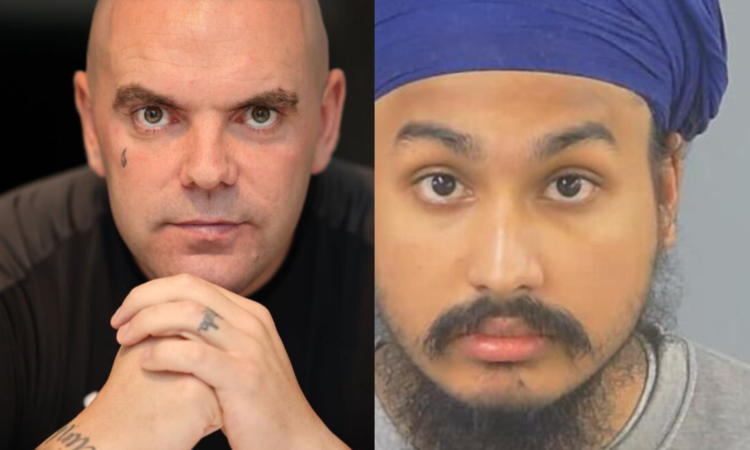
Vickrum Digwa, the man serving a life sentence for the fatal stabbing of 18-year-old Henry Nowak, has reportedly been moved into the segregation unit at HMP Frankland in County Durham after refusing to move onto one of the prison’s main wings. The high-security prison is widely known by the nickname “Monster Mansion” because it houses some of Britain’s most notorious criminals.
According to reports, Digwa refused to be transferred to A-wing because he feared for his safety. The wing has gained a fearsome reputation among inmates, especially after the recent fatal attack on convicted Soham murderer Ian Huntley, who was attacked while being held there earlier this year. The incident has reportedly made some prisoners reluctant to be placed on the same wing.
Former HMP Frankland inmate Ricky Killeen has now spoken about what life could be like for Digwa after refusing the move. Speaking on his YouTube channel, Behind Bars TV, Killeen said he believes Digwa is frightened and may have heard stories about the prison long before arriving there.
Killeen explained that HMP Frankland has a fearsome reputation across the prison system, particularly among inmates from southern England. He claimed that many prisoners from places such as Southampton and London hear stories about the prison and become anxious about being sent there because of its strict conditions and the dangerous offenders it houses.
He also pointed out that Digwa is now being held hundreds of miles away from his family, making visits much more difficult. According to Killeen, being isolated in one of the country’s highest-security prisons can be mentally challenging, especially for someone serving a life sentence. He believes Digwa is likely to be extremely worried about what lies ahead.
HMP Frankland is home to several of the UK’s most notorious offenders, including serial killer Levi Bellfield, Michael Adebolajo, former police officer and Sarah Everard murderer Wayne Couzens, and convicted necrophile David Fuller. Because of the high-profile prisoners it contains, the prison has earned its intimidating reputation over many years.
Killeen claimed that refusing to move onto a prison wing is treated as disobeying prison rules and can result in segregation. Prisoners placed in segregation spend most of the day alone in their cells under much stricter conditions than those on normal prison wings.
He said inmates in segregation may only be allowed a short period of exercise each day and often lose access to privileges available elsewhere in the prison. According to his account, prisoners may have no television, limited spending money for phone credit, reduced access to the prison shop, and fewer opportunities to make phone calls.
Killeen also described what he said can be a difficult atmosphere inside the segregation unit. He claimed that inmates held there are often subjected to constant shouting, insults and intimidation from other prisoners. According to him, prisoners in nearby cells sometimes spend hours yelling abuse through windows or doors, while others make loud noises by banging on doors and walls throughout the day and night.
He said many prisoners in segregation become bored because they have few activities to occupy their time, leading some to disturb others by shouting, kicking doors and creating noise late into the night. Killeen described the environment as mentally exhausting and said it can be one of the toughest places to serve time within the prison system.
The prison authorities have not publicly confirmed the details of Digwa’s reported placement or the conditions he is currently experiencing. However, the reports have once again drawn attention to HMP Frankland’s reputation as one of Britain’s toughest and most secure prisons, where some of the country’s most dangerous offenders are held under some of the strictest security measures.