Illegal Boat Migrants Attempt to Cross the English Channel to the UK From a Place No One Expected — Border Force Takes Action

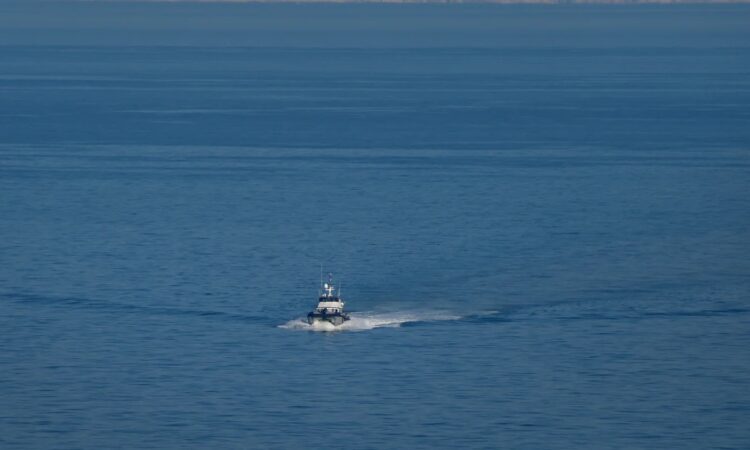
A migrant boat has set off from what is believed to be the furthest launch point ever used for an attempt to cross the English Channel to the UK. The small boat left from the French coastal town of Fécamp, meaning those on board now face a dangerous journey of around 70 miles across one of the world’s busiest shipping lanes.
The distance is far greater than the route most migrant boats usually take. Many small boats leave from beaches near Calais or Dunkirk, where the crossing to the UK is around 27 miles. By starting much further down the French coast, the migrants are taking on a much longer and riskier journey that could keep them at sea for many hours.
The previous longest known launch point was recorded on May 26, when a migrant boat was seen leaving the coast south of the port of Dieppe in Normandy during the early hours of the morning. The latest crossing from Fécamp goes even further, making it one of the most ambitious Channel crossings yet.
According to GB News Home and Security Editor Mark White, Border Force has launched an urgent response. A recovery boat, Border Force officers and other vessels have been sent from Eastbourne to intercept the migrant boat before it reaches the British coastline. Lifeboat crews and Border Security Command vessels are also involved in the operation as they monitor the crossing.
The change in launch locations comes after French authorities increased police patrols around the usual departure areas near Calais and Dunkirk. With tighter security in those hotspots, people-smuggling gangs have reportedly changed their tactics by launching boats from towns much further along the French coast.
In some cases, migrant boats have been launched from locations more than 100 miles south of the traditional departure points. Smuggling gangs often use what are known as “taxi boats”, which travel along the coastline stopping at different beaches to collect more migrants before heading towards the UK. These journeys can last as long as 18 hours before reaching British waters.
However, the boat that left Fécamp is believed to be heading directly towards the UK rather than stopping to collect more passengers along the way. Authorities are tracking its progress as it continues across the Channel.
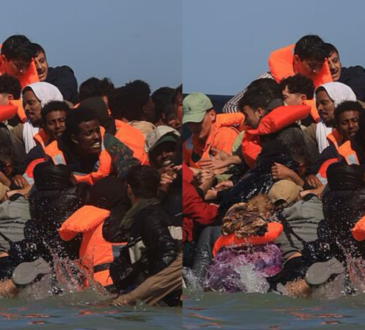
Mark White also said the boats now being used are much larger than those seen in previous years. While they are often described as “small boats”, many are around 10 metres long and can carry between 80 and 90 people on a single crossing. Despite their size, they remain overcrowded and are not designed for long journeys across open sea.
Inside the boats, migrants are often given basic life jackets and simple plastic containers that can be used to scoop water out if waves begin filling the dinghy. Even with these items, the vessels are considered highly unsafe, especially during long crossings and changing weather conditions.
The latest crossing comes as Channel arrivals remain high. During Andy Burnham’s first week as Prime Minister, a so-called “mega dinghy” carrying 165 migrants reached the UK, while almost 1,000 people crossed the Channel in small boats over the course of the week, highlighting the continuing pressure on both French and British authorities.