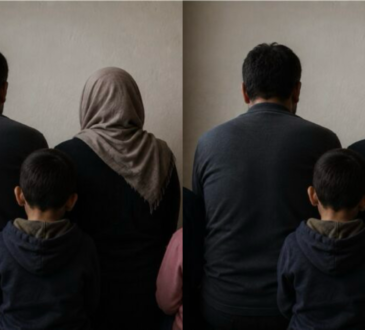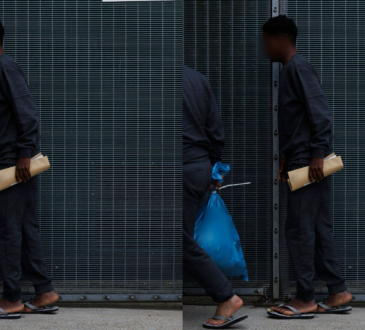

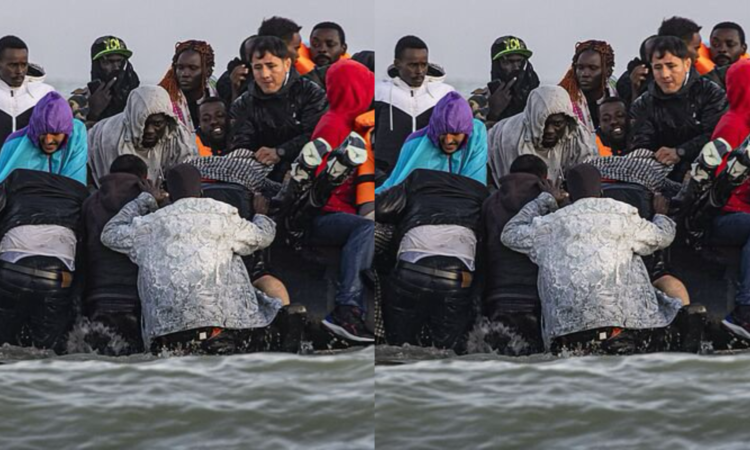
A petition calling for asylum seekers and foreign criminals to be held on remote UK islands has attracted thousands of signatures.
The petition argues that people seeking asylum should be housed away from local communities while their applications are being considered. It claims this could help keep the public safe and reduce the amount of taxpayers’ money being spent.
The petition was created by Darren Chandler on September 3. It calls on the Government to require asylum seekers and foreign nationals who have committed crimes to be detained on remote British islands, where they would still be provided with basic shelter and humanitarian support.
The petition says asylum seekers should remain on these islands while officials decide whether they are allowed to stay in Britain.
It argues that this would be a better option than placing asylum seekers in communities around the country at taxpayers’ expense.
The petition also says the Government’s main responsibility should be protecting British citizens and securing the country’s borders.
It adds that if legal rules, including the European Convention on Human Rights, prevent some foreign nationals from being deported, they should remain on the islands until they can legally be returned to another country.
At the time the report was published, the petition had received 28,362 signatures.
That means it has already passed the 10,000-signature mark needed for the Government to provide an official response.
The UK Parliament website has confirmed that the Government will respond to the petition, although it is not yet clear when that response will be published.
If the petition reaches 100,000 signatures, it could be considered for a debate in Parliament. The petition is due to remain open until March 3.
The campaign comes at a time when tensions surrounding small-boat crossings and asylum seekers remain high in some parts of Britain.
In a separate incident, police made several arrests following a protest in Gosport after asylum seekers who had crossed the English Channel were brought ashore.
Hampshire Constabulary said around 350 people eventually left the Haslar Road area at about 2am on Monday. The protest had taken place after a group of asylum seekers were brought ashore with the involvement of the coastguard, lifeboat crews and border security staff.
Police had introduced restrictions under the Public Order Act in an attempt to control the demonstration. Officers also used powers restricting the wearing of face coverings.
A total of 12 people were arrested during the incident. They included 11 men between the ages of 22 and 59 and a 57-year-old woman.
The suspected offences included assaulting a police officer, being drunk and disorderly, failing to follow restrictions placed on the protest, criminal damage and racially aggravated public-order offences.
One man, 38-year-old Jamie Bennett from Thyme Avenue in Whiteley, was charged with failing to comply with a direction relating to a prohibited assembly.
He was released on bail and is due to appear at Portsmouth Magistrates’ Court on Thursday, November 26.
The other people who were arrested were released on bail while police continued their investigations.
Police said a small number of officers suffered injuries and were treated at the scene. However, nobody from the emergency services, other agencies or members of the public was reported to have been seriously injured.
One person experienced chest pains and was initially helped by police officers before receiving treatment from South Central Ambulance Service.
The incident in Gosport reflects growing tensions in some coastal areas over the arrival of migrants in small boats.
Protesters have increasingly gathered at ports when migrant arrivals are expected, while the wider debate over asylum accommodation, border security and the cost of supporting asylum seekers continues across the UK.
The petition proposing the use of remote UK islands is now adding another controversial idea to that debate. Supporters believe it could reduce pressure on local communities and public spending, while any such proposal would still have to be considered against the UK’s legal and humanitarian responsibilities.