Illegal Migrant Deported From UK to France Returns to Britain by Small Boat Just Weeks Later — Then Gives a Shocking Reason Why He Came Back to the UK Again

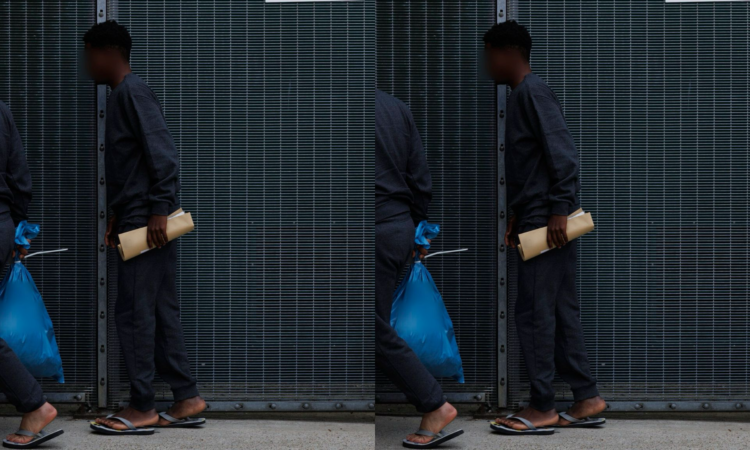
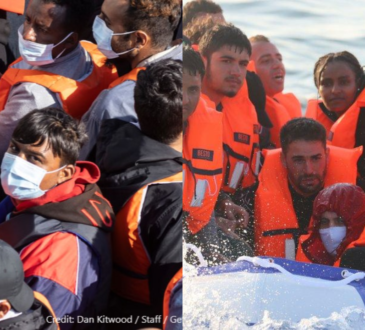
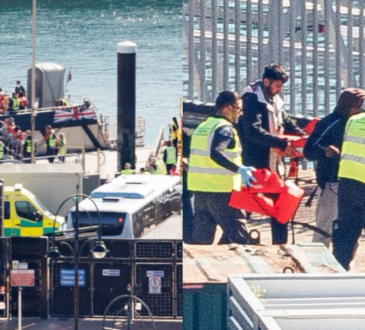
A migrant who was deported from the UK to France under the government’s “one in, one out” agreement has reportedly returned to Britain by crossing the English Channel in a small boat.
The Iranian man first arrived in the UK by small boat on 6 August. After reaching Britain, he was detained by immigration authorities.
He was later selected to be returned to France under the UK government’s new agreement with the French authorities. On 19 September, he was removed from Britain and sent back to France.
However, less than a month later, the man made the dangerous Channel journey again and returned to the UK on 18 October.
He has now been detained for a second time. The government is reportedly preparing to speed up the process of sending him back to France once again.
The case is likely to raise fresh questions about whether the UK-France agreement can discourage people from attempting repeated Channel crossings.
Under the “one in, one out” deal, the UK can send some migrants who arrive by small boat back to France. In exchange, Britain agrees to accept the same number of people from France who meet the requirements of the scheme and have not previously tried to enter the UK illegally.
The government hopes the agreement will send a clear message that paying smugglers and crossing the Channel in a small boat does not guarantee that someone will be allowed to remain in Britain.
But the Iranian man has explained why he says he decided to return to the UK despite already being deported to France.
Speaking to The Guardian, he claimed that he had previously become a victim of modern slavery and human trafficking while living among migrants in northern France.
He said he did not believe France was safe for him because he feared the people smugglers who had allegedly abused and threatened him.
According to his account, after he was returned to France, he was taken to a shelter in Paris. However, he said he was too frightened to go outside because he feared that the smugglers could find him.
He claimed that before his first journey to Britain, he had fallen into the hands of a human trafficking network in France.
The man alleged that the group treated him badly, forced him to work and threatened him with a gun. He said the experience left him living in constant fear and anxiety.
He also claimed that when he first arrived in Britain and was questioned by the Home Office about what had happened to him, he struggled to explain his experience because he was crying and felt ashamed.
He said that if he had believed he was safe in France, he would never have risked returning to Britain by small boat.
However, the UK government’s position remains that France is a safe country.
The case comes as the government faces continuing pressure over the number of migrants crossing the English Channel.
The “one in, one out” agreement was introduced as part of efforts to discourage people from paying smugglers to make the dangerous journey from France to Britain.
The idea is that people considering the journey may think twice if they know they could be detained after arriving and quickly returned to France.
However, the return of a migrant who had already been removed under the scheme is likely to fuel debate about how effective the policy will be in preventing people from trying again.
A Home Office spokesperson said the government would not tolerate people abusing the UK’s borders and would continue trying to remove those who do not have a legal right to remain in the country.
The Home Office also made clear that migrants returned to France under the pilot scheme who later try to enter Britain illegally again can be removed once more.
Former Conservative home secretary James Cleverly criticised the situation and compared the France agreement with the previous Conservative government’s Rwanda plan.
He argued that Rwanda is much further away from Britain than France, suggesting it would have been more difficult for someone sent there to quickly make another attempt to reach the UK.
The development comes as small-boat crossings remain a major political issue.
Figures cited in the report showed that more than 36,816 people had crossed the English Channel in small boats during 2025, meaning the total had already passed the number recorded during the whole of 2024.
Home Secretary Shabana Mahmood described the figures as unacceptable and said the government needed to move faster to restore control of the border.
She said thousands of people who were in the UK illegally had already been detained and removed, while the agreement with France meant some people arriving on small boats could now be sent back across the Channel.
However, she acknowledged that more needed to be done, including removing people who have no legal right to remain in Britain and preventing migrants from making dangerous small-boat journeys in the first place.
For the government, the Iranian man’s return presents a difficult test for its new policy. He was detained after arriving, sent back to France under the agreement, and then managed to cross the Channel and reach Britain again within weeks.
Authorities must now decide how quickly he can be returned to France for a second time, while his claims that he was a victim of trafficking and modern slavery are also likely to receive close attention.