Iranian Man Beats His 14-Year-Old Wife to Death Just 10 Days After She Gave Birth for Making a Simple Request

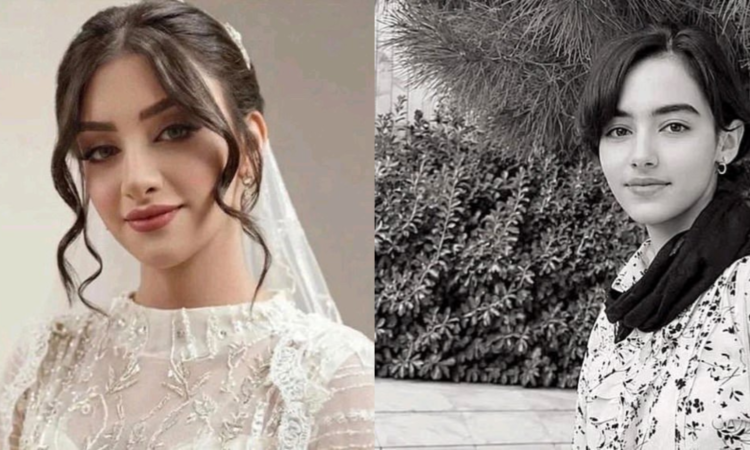
A 14-year-old girl in Iran was beaten to death by her husband just 10 days after giving birth to their child.
Sogand Moshtareki, from Iran’s Kerman Province, was reportedly killed on November 6 after asking her 20-year-old husband for permission to visit her family.
The young girl had been forced into marriage at the age of 13 and had reportedly suffered abuse at the hands of her husband.
According to the Women’s Committee of the National Council of Resistance of Iran (NCRI), her husband confessed to killing her, saying the incident happened because of family disputes.
Sogand had also recently survived a road accident and was still recovering from her injuries when she gave birth.
Her father told the human rights organisation Iran Human Rights that her husband had prevented her from contacting her family and often locked her inside the house whenever he went out.
Her husband has reportedly been arrested following her death.
Sadly, Sogand was not the only young woman killed by her husband that day.
On the same day, a 21-year-old pregnant woman named Sepideh Raeisi was reportedly shot dead by her husband after trying to divorce him.
Sepideh, who already had a three-year-old child, was four months pregnant when she was killed. Her unborn baby did not survive, while her mother was also injured during the incident.
According to the NCRI, Sepideh was forced into marriage at the age of 13 and had suffered years of domestic abuse before attempting to leave her husband.
The deaths of the two young women have raised further concerns about child marriage and domestic violence in Iran.
Human rights organisations say many young girls forced into marriage are denied the opportunity to continue their education, make their own decisions and build a better future.
Many are also exposed to domestic abuse, early pregnancy and financial dependence on their husbands, making it difficult for them to escape abusive marriages.
According to a recent NCRI report, at least 24 cases of women being killed were recorded in Iran in October 2026 alone. Most of the victims were killed in their own homes by men they knew.
However, human rights groups believe the actual number could be much higher because many cases are never reported.
The Hengaw Organisation for Human Rights also reported that at least 207 women and girls were killed in Iran in 2025, including victims of forced marriages and so-called honour killings.
In another recent incident, a 19-year-old pregnant woman named Helia Fattahi was allegedly killed by her parents after telling them she was expecting a child.
The young woman was two months pregnant. Her parents reportedly confessed to killing her and were later arrested by police.
Another young woman, 23-year-old Sadaf Haghbin, was reportedly shot dead during her birthday celebration on November 18. Local media reported that her former boyfriend was responsible and that the attack may have been linked to her refusal to marry him.
Meanwhile, a 16-year-old schoolgirl named Sogand Sayyadi was found dead outside her apartment building in western Iran on November 15.
The teenager had reportedly warned her school authorities a day earlier that her father might hurt or even kill her if she returned home with him.
According to Hengaw, her father had physically attacked her after discovering that she had been communicating with a young man he did not approve of.
Her father was later arrested on suspicion of assault and murder, while the school principal was arrested on suspicion of negligence.
Human rights organisations have also raised concerns about Iranian laws that allow some people responsible for so-called honour killings to receive lighter punishments.
Under Iranian law, fathers and paternal grandfathers who kill their children or grandchildren are exempt from certain forms of punishment that can apply to other murder cases.
Some estimates suggest that hundreds of so-called honour killings take place in Iran every year.
Human rights campaigners continue to raise concerns about the need for stronger laws to protect women and young girls from forced marriages, domestic abuse and violence within their own families.