
Labour Sends a Message to Homeowners Whose Properties Have Been Empty for More Than Six Months as Minister Reveals They Could Be Used For

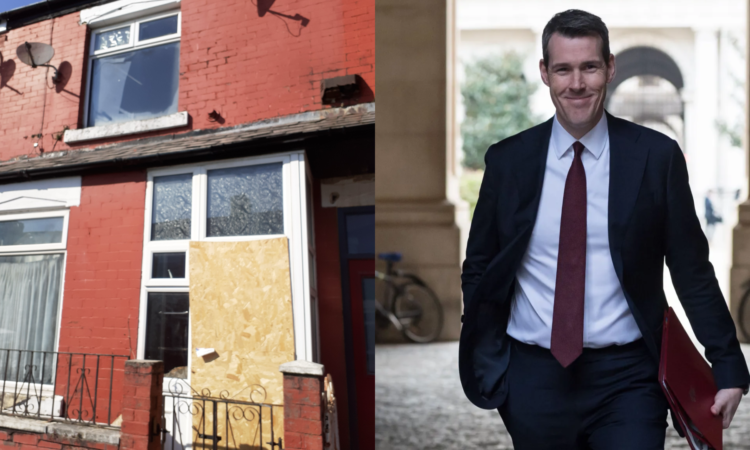
Asylum seekers and refugees could be housed in empty private homes without the owners’ permission under new rules introduced by the Labour government.
Local councils have been given wider powers to take control of the management of private properties that have been left empty for six months. Previously, properties generally had to be empty for at least two years before councils could use these powers.
Housing Minister Matthew Pennycook has now confirmed that councils could use these properties to provide accommodation for asylum seekers and refugees.
Responding to Conservative MP Katie Lam, the minister explained that councils could use empty private homes to provide rental and temporary accommodation for asylum seekers and refugees under government housing arrangements.
However, the government had previously dismissed suggestions that these powers would be used to house asylum seekers, describing them as “pure speculation”.
The latest development has sparked criticism from Conservative and Reform UK politicians, who argue that empty properties should be used to accommodate homeless British citizens first.
It comes as Labour continues its efforts to close asylum hotels across the country. However, the government is facing growing opposition from residents over plans to accommodate asylum seekers in town centres and former military sites.
Residents near Piddington in Oxfordshire have already spoken out against plans to accommodate 1,256 migrants at a proposed asylum centre.
According to the latest Home Office figures, the number of asylum seekers living in hotels fell to 13,185 by the end of September. However, nearly 76,000 were being housed outside hotels, an increase of six per cent compared with the previous year.
Shadow Home Secretary Chris Philp criticised the plans, saying it was outrageous that empty private properties could be taken over by councils and used to house asylum seekers.
He argued that such properties should be made available to British citizens, particularly homeless military veterans.
Reform UK MP Sarah Pochin also criticised the government, accusing Andy Burnham of focusing on finding more accommodation for migrants instead of stopping small boat crossings.
Under the rules, councils cannot simply take over any empty private property. They must first obtain approval from a tribunal before taking control of the management of an eligible home.
Once the necessary legal approval has been granted, councils can rent out the property without the owner’s permission under a final management order. However, ownership of the property does not automatically transfer to the council.
A government spokesperson defended the rules, saying councils have had powers to bring empty private homes back into use since 2006.
The spokesperson added that the government had not changed what the properties could be used for and that individual councils were responsible for deciding how to use these powers to meet the needs of their local communities.
However, these powers were rarely used under the previous rules. In September, the government revealed that no applications had been made since 2021.
Labour has since removed several requirements that previously made it difficult for councils to take over the management of empty homes, including the need to demonstrate antisocial behaviour and community support.
The changes could make it easier for councils to bring empty private properties back into use, including providing accommodation for asylum seekers and refugees. However, this does not mean that every private home left empty for six months will automatically be taken over.