ISIS-Linked Terrorist Who Plotted to Kidnap British Ambassador and Was Banned From Entering the UK Sneaks Into Britain – You Won’t Believe How He Got Into the Country

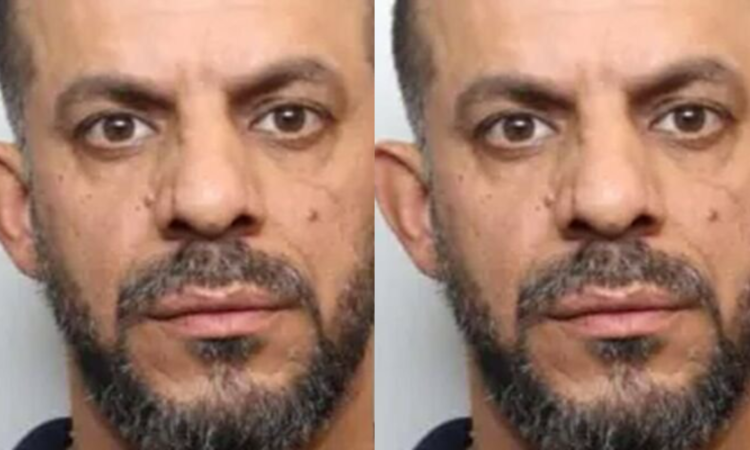
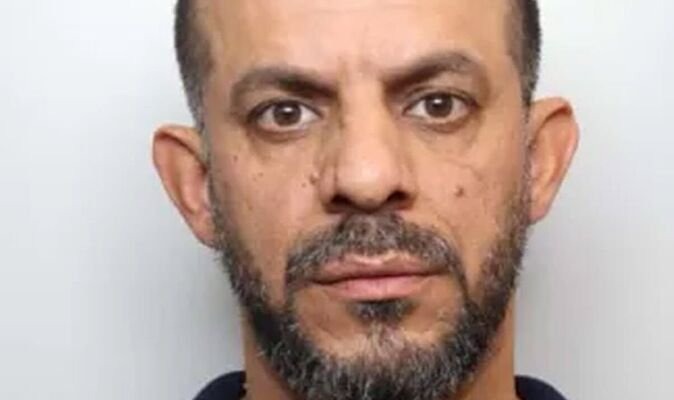
A 43-year-old man with links to the terrorist group ISIS has been caught in Britain after allegedly entering the country illegally by hiding in the back of a lorry. The man, identified as Zana Abdul Rahman Rahim, had previously been jailed in Italy for his involvement in a terrorist organisation that planned attacks across Europe, including a plot to kidnap the British ambassador.
Rahim, who had been banned from entering the UK because of his terrorist background, reportedly managed to travel from France to Dover in June 2026. He is believed to have made several attempts to enter Britain before finally getting into the country.
Despite the ban, he remained in Britain until police discovered his identity during what started as a routine traffic stop.
Earlier in October, officers from West Yorkshire Police stopped a car after noticing that one of its lights was broken. What appeared to be a normal traffic check soon became a much more serious matter when officers carried out a background check on the driver.
The checks revealed that Rahim had a history of involvement in terrorism and was not supposed to be in the country.
According to reports, Rahim had previously been sentenced to seven and a half years in prison in Italy for his role in an extremist organisation known as Rawti Shax.
The organisation was founded by Najmadin Faraj Ahmad, widely known as Mullah Krekar, a Kurdish Islamist preacher who had links to armed extremist groups associated with al-Qaeda.
Rahim was not just an ordinary member of the organisation. Italian authorities described him as one of its senior figures who helped manage its activities and maintain contact with people providing financial support.
He was also the son-in-law of Mullah Krekar and was considered one of his closest associates.
The group was accused of planning violent attacks against Western countries and trying to obtain weapons that could be used in different parts of Europe.
According to Italian court documents, the organisation also operated a training camp in Syria where members were involved in extremist activities.
One of the most serious allegations against the group involved a plan to kidnap important people, including the British ambassador.
The plan was reportedly discussed in 2012 after Mullah Krekar was imprisoned in Norway. Members of the organisation allegedly considered kidnapping diplomats and other prominent individuals to pressure authorities into releasing him.
During that period, Rahim was said to have acted as Krekar’s spokesman and trusted assistant. He reportedly helped keep the organisation running while its leader was behind bars.
In 2015, European police carried out a major operation against the network, arresting 16 suspected members in different countries.
Rahim was among those arrested. At the time, he was living in Derby, England, where he was working washing cars.
Italian authorities wanted him to face trial over his alleged involvement in the organisation.
During court proceedings in Britain, Julian Knowles, who represented the Italian authorities, explained that the group’s activities involved international terrorism and plans to carry out violent attacks against Western targets.
He also described Rahim as a senior member who helped direct the organisation and manage its financial connections.
Rahim initially fought against being sent to Italy, but he and other suspects were eventually extradited to face justice.
He was later convicted and sentenced to seven and a half years in prison.
His father-in-law, Mullah Krekar, was also extradited from Norway to Italy in 2020, where he was jailed for 12 years for planning terrorist acts.
Despite his criminal history and the order preventing him from entering Britain, Rahim reportedly found his way back into the country earlier this year.
His return has raised serious concerns about how someone with a previous terrorism conviction could enter Britain without being detected at the border.
Rahim has now admitted entering the UK illegally and is due to be sentenced on October 30, 2026.
The Home Office is also expected to take steps to remove him from Britain.
The case has attracted criticism from Conservative politician Chris Philp, the shadow home secretary, who believes it shows serious problems with the country’s border security.
Speaking about the incident, Philp said: “This shows that the UK’s border crisis is also a security crisis.”
He argued that the case demonstrated the potential dangers of allowing people to enter the country without proper checks.
Philp also called for Rahim to be removed from Britain as quickly as possible, pointing to his previous involvement in terrorist activities.
Meanwhile, the Home Office said foreign nationals who receive prison sentences in Britain are considered for deportation at the earliest opportunity and can be banned from returning.
The discovery of Rahim’s presence in Britain has raised questions about the effectiveness of border checks, particularly when dealing with individuals who have already been identified as security risks.
One of the biggest concerns is that Rahim was reportedly able to enter the country despite an existing order specifically preventing him from doing so.
His identity only came to light after police stopped his vehicle because of a broken light, rather than through checks at the border.
Authorities are now expected to deal with his unlawful entry and consider arrangements for his deportation.
For now, Rahim faces another court appearance on October 30, when he is expected to learn his punishment for entering Britain illegally.