Karoline Leavitt Caught Red-handed After Trying to Sell Trump As a ‘Hero’ As She’s Exposed in New Report

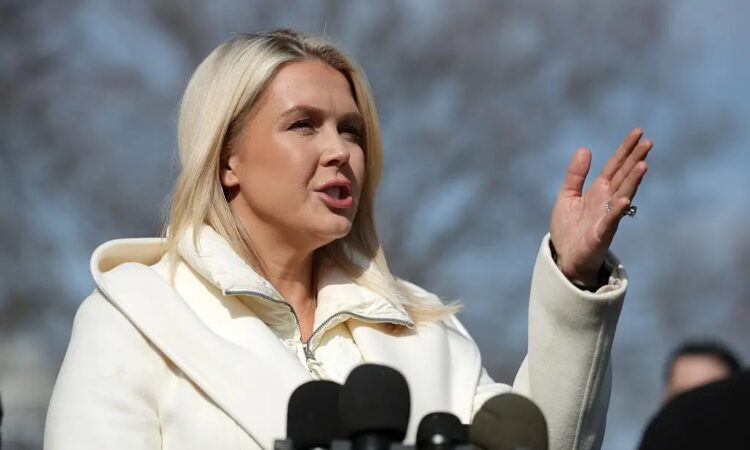
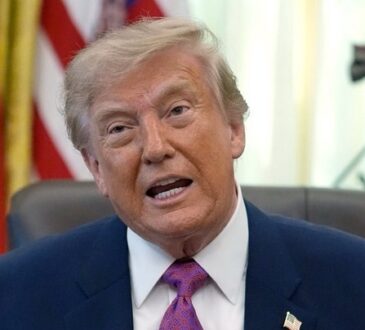
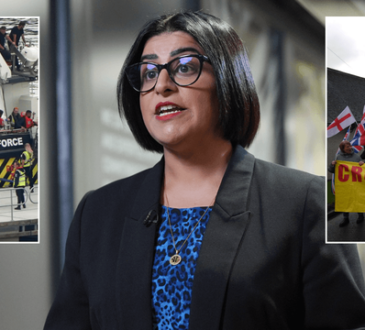
White House press secretary Karoline Leavitt came out again to defend Donald Trump, describing him as a strong and decisive leader. She pointed to a rescue mission in Iran as proof of his leadership.
But behind the scenes, things looked very different. Instead of leading the operation, Trump was actually kept at a distance while it was happening.
At the time, Leavitt publicly said Trump was the one who directed the rescue of a downed pilot. However, a detailed report later revealed that military advisers deliberately kept him out of key decisions because they were worried his actions could disrupt the mission. The gap between what was said publicly and what really happened has become hard to ignore, and it highlights a bigger pattern in how Trump handles pressure.
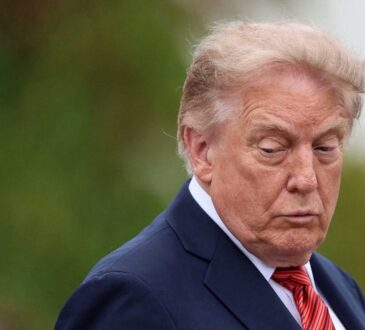
According to The Wall Street Journal, the situation started to spiral as soon as Trump learned that a U.S. jet had been shot down over Iran. Instead of staying calm and in control, he reportedly became unstable.
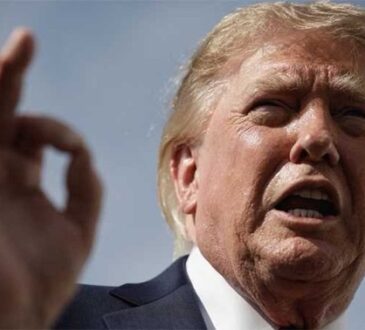
Trump grew more anxious as the situation developed. Inside the West Wing, he was said to have shouted at aides for hours, going over the same worries again and again, including gas prices, European allies, and how the situation might hurt him politically.
He kept thinking about what happened to Jimmy Carter during the failed Iran hostage rescue mission, which hurt Carter’s chances of being re-elected. Trump feared something similar could happen to him, and that fear made him more agitated as he pushed for quick action.
Because of this, military officials made a careful decision to keep him away from direct control. During the rescue mission, he was only given updates at important moments instead of being involved in real-time decisions.
His unpredictability was seen as a risk, not a strength.
The mission itself almost failed when the aircraft got stuck, and U.S. personnel had to improvise to avoid being detected by Iranian forces. In the end, both airmen were rescued, turning a dangerous situation into a narrow success.
Leavitt used that outcome to defend Trump, attacking critics and claiming he had led a heroic mission, while dismissing any concerns about his behavior.
But Trump’s own actions soon raised more questions. Just hours after the rescue, he posted a threatening message online, warning Iran in aggressive language and ending it with a religious phrase. The post was not approved or coordinated with his national security team.
Privately, Trump said he wanted to appear unpredictable, believing it might pressure Iran into negotiations. Still, he seemed unsure about how his message would be received and later asked aides how it was being taken.
Throughout the conflict, advisers described him as going back and forth between making strong threats and worrying deeply about the consequences, including the risk to American troops and political damage at home.
At one point, he rejected a military plan because he felt U.S. troops would be too exposed. At another moment, he even suggested giving himself the Medal of Honor.
His lack of focus showed in other ways too. During important moments in the conflict, he reportedly shifted his attention to unrelated topics like fundraising, construction projects, and cryptocurrency, while aides struggled to keep him focused on the crisis.
Critics say this lack of discipline is affecting the bigger picture. Analyst Kori Schake said that while there have been some military successes, they do not add up to a clear victory, and blamed that on poor planning and lack of attention from the president.
Public reaction has been harsh, especially as more details about the rescue and Trump’s limited role became known. Many people questioned why a president would be kept out of such an important operation, while others doubted whether the full truth about the mission had been shared.
Some even went as far as claiming the rescue never happened, pointing to the lack of public evidence like names, photos, or statements from those involved.
Overall, the situation has created a growing trust issue. What the administration says publicly and what reports suggest privately do not seem to match.
In this case, Leavitt’s defense tells one story, but the details behind the scenes suggest another—one where the president was not leading the operation, but was instead being carefully managed while it took place.