The truth about Donald Trump was finally blared across this newspaper’s front page


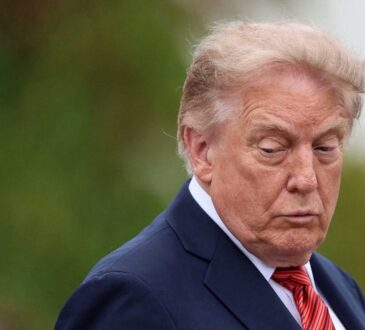
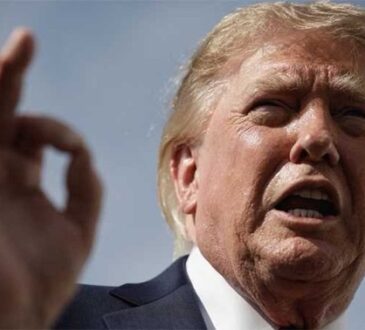
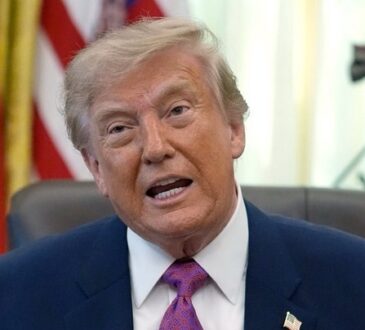
A political storm started in Italy after a major conservative newspaper published a front-page attack on President Donald Trump. The newspaper, Libero, is not known for being left-wing or anti-Trump. In fact, many of its political views are similar to those held by Trump and his supporters. That is why many people were surprised when the paper used a harsh one-word description of the American president across its front page.
The controversy began after Trump made comments about Italian Prime Minister Giorgia Meloni. During an interview with an Italian television network, Trump claimed that Meloni had repeatedly asked him to take a photograph with her during the G7 summit. He suggested that she wanted the picture so badly that he eventually agreed because he felt sorry for her.
The story immediately caused anger in Italy. Meloni strongly denied Trump’s version of events. She said the claim was completely made up and insisted that neither she nor Italy would ever beg anyone for a photograph. For many Italians, the issue was not simply whether a picture had been taken. The problem was that Trump appeared to be telling a story that made one of Italy’s most important political leaders look desperate and weak.
The reaction was especially surprising because Meloni had often been viewed as one of Trump’s closest allies in Europe. She was one of the few European leaders who openly maintained a warm relationship with him. She even attended his inauguration and was often seen as a bridge between Trump and European conservatives. Because of that relationship, many people wondered why Trump would make comments that could embarrass someone who had been supportive of him.
The dispute quickly spread across Italian media. Political commentators, journalists, and ordinary citizens debated whether Trump’s comments were simply another example of exaggeration or whether they reflected a deeper pattern of behavior. Many critics argued that Trump often tells stories that place himself at the center of attention and make him appear more important, powerful, or admired than he actually is.
For the editors of Libero, the incident appeared to be the final straw. They looked at the situation and concluded that it was difficult to understand why a president would invent a story that could damage a friendly relationship with another country’s leader. They believed the only explanation was Trump’s desire for praise and admiration.
The article goes on to argue that this incident is only one example in a much larger pattern that critics say has followed Trump throughout his public life. The writer points to numerous controversies that have surrounded him over the years and questions why many American media organizations still use soft and careful language when discussing them.
One of the most serious examples involves writer E. Jean Carroll. A jury found Trump liable for sexually abusing Carroll after hearing evidence presented during a civil trial. The case attracted national attention because it involved allegations that had been disputed for many years. After the verdict, the judge overseeing the case stated that the jury’s findings matched what many ordinary people would describe as rape, even though the legal wording under New York law was different.
The article also mentions the recording that became famous during the 2016 election campaign. In that recording, Trump was heard making comments about women that many people considered offensive and degrading. Critics argued that the recording revealed his attitude toward women, while supporters claimed it was simply private conversation that should not define his entire character.
Another controversy involved the Eric Trump Foundation. The foundation was created to raise money for children battling cancer. Reports later claimed that some of the donated funds were directed toward businesses connected to the Trump family. Critics argued that donors believed their money was going directly to help sick children and felt betrayed when questions were raised about how some of the funds had been used.
The article also points to Trump University, which promised to teach people valuable real estate skills. Many former students later claimed they had been misled by the program’s marketing. Trump eventually agreed to pay millions of dollars to settle lawsuits related to the project without admitting wrongdoing. For critics, the case became another example of what they viewed as a pattern of making grand promises that failed to match reality.
The writer also discusses Trump’s involvement in cryptocurrency. Shortly before returning to office, Trump became linked to a digital coin project that generated enormous publicity. Some early investors and insiders reportedly made large profits, while many ordinary buyers lost money as prices later dropped sharply. Critics argued that Trump’s name encouraged people to invest, while supporters said investors understood the risks involved in cryptocurrency markets.
Foreign policy is another major area of criticism. The article points to military actions involving Iran and argues that some decisions were made without proper approval from Congress. Critics questioned whether constitutional procedures were followed and warned that military action without clear authorization could create dangerous precedents. Supporters, however, argued that strong action was necessary to protect American interests and national security.
The writer’s main complaint is not only about Trump’s actions but also about how those actions are described in the American media. According to the article, many news organizations avoid using direct language. Instead of saying someone lied, reports may say they made false claims or disputed statements. Instead of saying behavior was outrageous, they may describe it as controversial or unconventional.
Some media critics have a term for this approach. They call it “sanewashing.” They believe the media often takes behavior that is unusual, extreme, or shocking and presents it in calm and neutral language that makes it seem more normal than it really is. Critics argue that this prevents the public from fully understanding the seriousness of certain events.
The article suggests several reasons why this happens. One reason is the traditional journalistic belief in objectivity. Many reporters are trained to avoid emotional language and personal judgments. They worry that strong wording could make them appear biased or political.
Another reason, according to the writer, is fear. Trump has frequently attacked media organizations, threatened lawsuits, and publicly criticized journalists. Even if legal challenges are unlikely to succeed, some companies may prefer to avoid expensive and time-consuming battles. Critics argue that this can lead editors to soften their language and avoid direct criticism.
The writer also believes that decades of political pressure have influenced news coverage. Conservative politicians and activists have often accused major media organizations of bias whenever negative stories about Republicans appear. Some critics believe this has made reporters extra cautious when covering conservative figures.
The article compares American journalism with journalism in parts of Europe. In countries such as Germany and Italy, newspapers are often more willing to directly describe politicians as dishonest, foolish, or incompetent when editors believe the facts justify those descriptions. The writer argues that European journalists are sometimes less concerned about appearing polite and more concerned about speaking clearly.
According to the article, historical experience plays a role in this difference. Many Europeans remain deeply aware of how dangerous political movements gained power in the twentieth century. As a result, some journalists believe it is important to use clear language when warning the public about leaders they view as dangerous.
The article also raises concerns about media ownership. A growing number of newspapers, television networks, and online platforms are controlled by large corporations and wealthy individuals. Critics worry that concentrated ownership can influence what stories are covered and how those stories are presented. They argue that news organizations may become reluctant to challenge powerful figures if doing so could threaten business interests.
Ultimately, the writer argues that journalism should not exist simply to repeat what powerful people say. Its purpose should be to investigate claims, challenge falsehoods, and provide citizens with honest information. The article insists that freedom of the press was protected so journalists could hold leaders accountable, especially when those leaders are powerful enough to influence public opinion on a massive scale.
The piece ends with a call for readers to support independent journalism, stay informed about politics, and participate in elections. The author believes that democracy works best when citizens have access to clear and honest information. In the writer’s view, avoiding uncomfortable truths does not protect democracy. Instead, it weakens it.
Whether readers agree with the article’s conclusions or not, the debate it raises touches on some of the most important questions facing modern democracies: How should powerful leaders be held accountable? How direct should journalists be when describing controversial behavior? And what responsibility does the media have when reporting on people who hold enormous influence over public life?