Andy Burnham as PM – bombshell plans for migrants, pensioners and benefit claimants

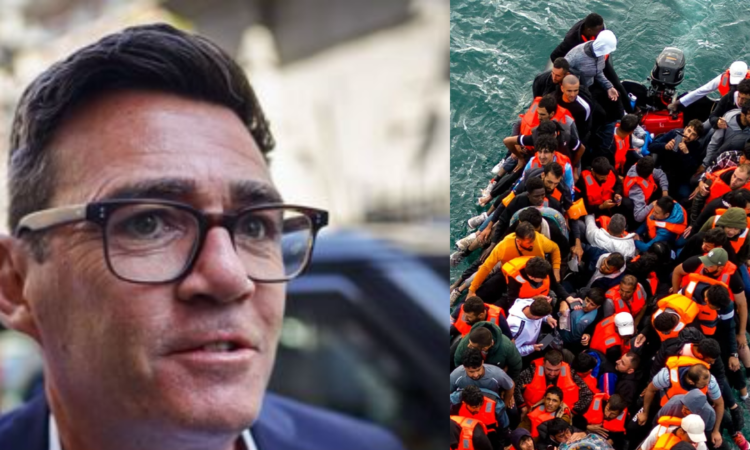
Andy Burnham is now being talked about as the man most likely to become the UK’s next Prime Minister after a dramatic political shake-up over the past day. The former Mayor of Greater Manchester has returned to Parliament after winning the Makerfield by-election by a huge margin. His victory came shortly after Sir Keir Starmer announced that he would step down as Labour leader and Prime Minister.
The speed of recent events has surprised many political observers. Support for Burnham inside the Labour Party has grown quickly, with senior figures, including Wes Streeting, publicly backing him. Many people within the party now believe the leadership transition could happen smoothly and with little opposition. If that happens, Burnham could be moving into Downing Street within weeks.
Supporters often call him the “King of the North” because of his popularity in northern England. They see him as a practical politician who understands the concerns of working-class communities, especially in former industrial towns and areas that have felt ignored by governments in London. His supporters believe he could reconnect Labour with voters who have drifted away from the party in recent years.
One area where Burnham is expected to make major changes is immigration and asylum policy. He is believed to favour ending the government’s heavy reliance on private hotels to house asylum seekers. The current system costs taxpayers billions of pounds each year, and Burnham’s team is reportedly looking at ways to end expensive contracts with companies that provide this accommodation.
At the same time, Burnham has made it clear that he supports stronger border controls while also ensuring that genuine refugees receive decisions on their cases more quickly. His approach would aim to reduce the long delays that leave many asylum seekers waiting for years without knowing their future. People whose claims are approved would be helped to settle and integrate into society faster, while those whose applications fail could face quicker removal from the country.
Burnham has also softened some of his earlier positions on migrant welfare. In the past, he called for changes to the “No Recourse to Public Funds” rule, which prevents many migrants from claiming benefits. More recently, he has stepped back from that position, a move that many believe is intended to reassure voters who are worried about pressure on public services, housing, and local budgets.
For people receiving benefits, Burnham is expected to introduce a very different approach from the current system run by the Department for Work and Pensions. Critics have often complained that the existing system focuses too much on sanctions and penalties. Burnham wants to replace that model with a more local approach known as “Live Well.”
Under this plan, local councils would play a much bigger role in helping people find work and improve their lives. Instead of relying heavily on punishments, councils would provide skills training, employment support, advice, and practical assistance tailored to local communities. The goal would be to help people into work while providing support that reflects the realities of their individual circumstances.
Housing would also be a major priority. Burnham has spoken about investing heavily in council housing and increasing the number of affordable homes available to ordinary people. Supporters argue that this could help reduce waiting lists, lower housing costs, and provide more secure homes for families and individuals who are struggling.
Pensioners could also see significant changes under a Burnham government. Having previously served as Health Secretary and overseen major healthcare initiatives in Greater Manchester, Burnham has built a reputation for focusing on social care and support for older people.
He is expected to push for better funding for home care services, stronger support for people living with dementia, and improvements to local transport services that many older people rely on. His supporters say he understands the challenges faced by pensioners and wants local authorities to have more power to provide services that meet the needs of their communities.
Burnham is also expected to strongly support the state pension triple lock, which helps pension payments rise in line with inflation, wage growth, or 2.5%, whichever is highest. He is likely to continue support for winter fuel payments and push for broader reforms to social care that could help reduce pressure on hospitals and the NHS.
At the heart of Burnham’s vision is a belief that more decisions should be made locally rather than being controlled from Whitehall. He argues that councils and regional leaders often understand local problems better than central government and should have greater power to solve them.
His overwhelming victory in Makerfield, where he defeated Reform UK by more than 9,000 votes, has given him significant political momentum. Combined with Starmer’s resignation, it has placed him firmly at the centre of the conversation about Labour’s future.
Whether he ultimately becomes Prime Minister and successfully delivers these plans remains to be seen. However, his recent actions and statements suggest he wants to move Labour in a slightly different direction, combining tougher immigration controls, a more supportive welfare system, greater investment in council housing, and stronger protections for pensioners and older people.
For many voters, the coming weeks could determine whether Andy Burnham truly becomes the next leader of the country and whether his vision for Britain becomes reality.