Woman Who Has Lived in the UK for 26 Years Begs Home Office to Grant Her Indefinite Leave to Remain Because of Her Medical Condition, But the Response She Gets Leaves Her Heartbroken

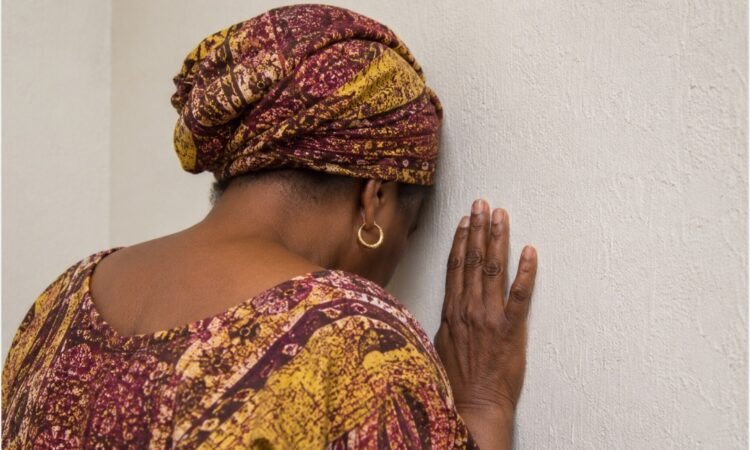
A 67-year-old blind Nigerian woman who has lived in the UK for 26 years has been told by the Home Office that she could go to India for medical treatment, even though she has never visited India and has no connection to the country.
The woman, whose name has been changed to Comfort for legal reasons, came to Britain in 2000. Shortly after arriving, she lost her sight because of a serious eye condition called glaucoma.
After living in the UK for more than 20 years, she was given permission to remain in the country in 2022.
However, under new immigration settlement plans announced by Home Secretary Shabana Mahmood, Comfort could now face another 20 years of renewing her visa before she can apply to live permanently in Britain.
Her lawyers from Migrant and Refugee Justice asked the Home Office to allow her to settle permanently in the UK without waiting any longer because of her age and disability.
UK immigration rules allow people facing exceptional circumstances to apply for permanent settlement earlier than usual.
Unfortunately, the Home Office rejected her application.
According to a report by The Guardian, officials first suggested that Comfort could return to Nigeria because services for blind people were available there.
However, something unexpected appeared in the refusal letter.
Instead of referring to Nigeria, the Home Office mentioned India, saying her medical condition was not serious enough, or without possible treatment in India, to justify granting her permanent settlement in the UK.
This left Comfort confused because she is Nigerian and has never been to India.
Speaking about the situation, Comfort said she was deeply disappointed that she might have to wait almost another 20 years before being allowed to settle permanently in Britain.
She explained that she had spent 26 years building her life in the UK and now considers the country her home.
She has friends, attends church and spends some of her time doing voluntary work to help others.
Comfort said she has always tried to be a good citizen and has never been involved in criminal activities.
She is now begging the Home Office to show compassion and allow her to remain permanently in the country she has called home for more than two decades.
She also questioned why officials suggested India as a possible place for her medical treatment.
Comfort said she has never visited India and does not have any personal connection to the country.
Nick Beales, head of campaigning at Migrant and Refugee Justice, criticised the Home Office’s decision.
He explained that Comfort is blind, approaching 70 years old and has already spent more than a quarter of a century living in Britain.
According to him, she meets the requirements to continue living in the UK, and there is no good reason to force her to keep renewing her visa.
He accused the government of focusing too much on appearing tough on immigration instead of considering the difficulties faced by vulnerable people.
Beales also warned that Shabana Mahmood’s plans to make migrants wait longer for permanent settlement could make situations like Comfort’s even worse.
He questioned how immigration officials could make such decisions when they appeared unable to tell the difference between Nigeria and India.
The case has raised concerns about how elderly migrants and people living with disabilities are treated under Britain’s immigration system.
For Comfort, the biggest worry is the possibility of spending almost another 20 years renewing her visa after already living in the country for 26 years.
She believes she has made Britain her home and should be allowed to spend the rest of her life there without worrying about her immigration status.
Meanwhile, the Home Office has responded to the report.
A spokesperson said the department does not normally discuss individual immigration cases publicly.
However, the spokesperson explained that every application to remain in Britain is carefully examined based on the person’s circumstances, the immigration rules and the evidence submitted.
For now, Comfort is still hoping that the Home Office will reconsider her situation and grant her permanent settlement in the UK.