Donald Trump Starts Rattling Off the Advisers Who Dragged Him Into the Mess — Rubio Thinks He’s Safe, Then Trump Takes a Quick Pause and Unleashes

For the past several days, the White House has been trying to convince Americans that President Donald Trump made the right decision when he ordered military strikes against Iran. But the explanations coming from the administration have not been consistent. The story about why the attacks happened keeps changing, the timeline keeps shifting, and the reasons being given are becoming more confusing instead of clearer.
When Trump starts to feel political pressure, people around him say a familiar pattern often happens. At first he defends the decision strongly, but as criticism grows, he begins mentioning other people and suggesting they were part of the reason the decision was made. In other words, the blame slowly starts spreading to others in his circle.
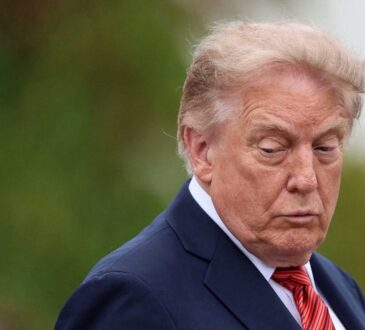
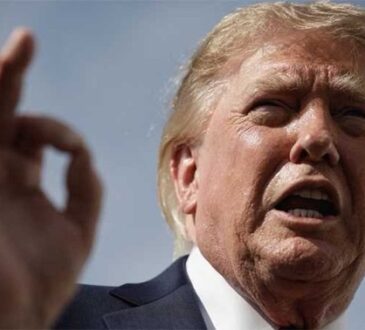
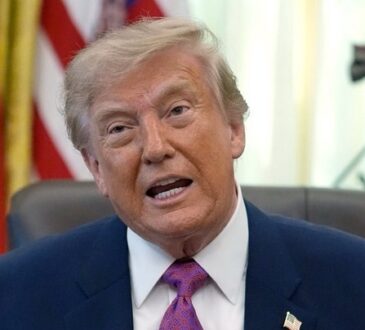
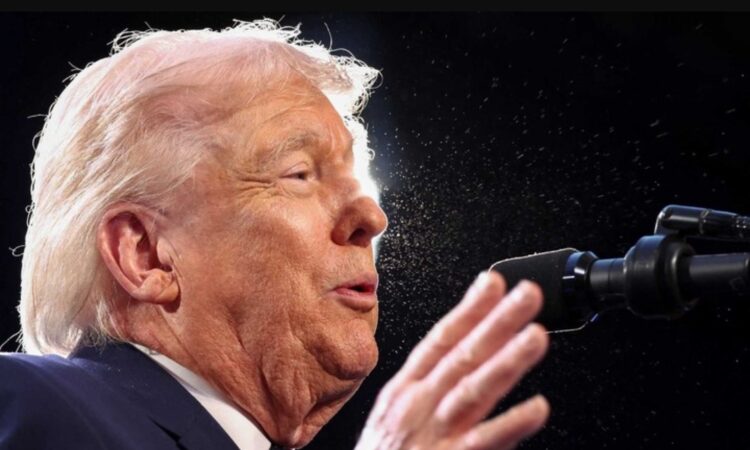
This happened again during a speech Trump gave to Republicans at their annual policy retreat in Doral, Florida on March 9. While speaking to the crowd, he tried to make the conflict with Iran sound smaller than it actually is. He described the military operation as just a short “excursion,” almost as if it were a brief mission that would be over quickly.
Trump told the audience that the United States had to act because certain people needed to be removed, but he also suggested the situation would not last long. However, later in the same speech, his tone changed. He started naming several advisers and allies who he said had warned him about the situation and pushed him toward taking military action.
Among the people he mentioned were his son-in-law Jared Kushner, special envoy Steve Witkoff, and Defense Secretary Pete Hegseth. Trump said the situation with Iran was getting so serious that the United States could not tolerate it anymore, based on what these advisers were telling him.
After a short pause, Trump also brought up his Secretary of State, Marco Rubio. He said Rubio had been heavily involved in the discussions and that he believed Iran might attack the United States if America did not act first. Trump insisted that when the decision to strike was made, he believed Iran had plans to attack the U.S., although he did not provide any evidence to support that claim.
This raised more questions because both Kushner and Witkoff had reportedly been involved in ongoing negotiations with Iran about its nuclear program and weapons development. Those talks had been described as serious diplomatic efforts happening at the same time Trump ordered the airstrikes on February 28.
Later, things became even more complicated. According to reports, Pentagon officials told members of Congress in private briefings that intelligence agencies had not found any evidence showing Iran was planning an immediate attack on American forces. That information directly contradicted one of the main reasons the administration had given for launching the strikes.
Despite the lack of proof of an imminent attack, the fighting has continued to grow more intense. Casualties have started to increase, with deaths reported on multiple sides of the conflict.
After Trump’s speech, people on social media reacted strongly. Many focused on the moment when Rubio’s name came up, joking that he probably wished he had not been dragged into the situation. Some users mocked the situation by saying that once someone becomes closely associated with Trump, they often end up taking blame when things go wrong.
Others pointed out something different that caught their attention. They questioned why Kushner and Witkoff were being mentioned so prominently in discussions about military action, since neither of them currently holds an elected government position. Critics online argued that it was strange that unelected advisers seemed to have so much influence over a decision that could lead to war and cause large numbers of casualties.
While the debate continued online, the White House had to respond to growing questions from reporters. The next day, during a press briefing, White House Press Secretary Karoline Leavitt defended the president’s decision and said Iran had posed a real threat to Americans.
However, Trump himself had already given different versions of the timeline. At some points he suggested Iran was preparing to attack within a week, while at other times he said the threat could have happened in just a few days. Reporters pressed the administration to explain where this information came from.
Leavitt responded by saying that the president had a “feeling” based on information he had received from advisers and negotiators who had been dealing with Iranian officials. She argued that those discussions convinced him the threat was serious.
During the briefing, Nancy Cordes, the chief White House correspondent for CBS News, challenged that explanation. She pointed out that no other major leaders, including officials in Israel, had publicly said an Iranian attack was about to happen. Cordes asked directly whether the administration might be exaggerating the threat in order to justify going to war.
Leavitt rejected that idea and insisted the president was not making anything up. She said Trump was reviewing intelligence every day and that the information he received convinced him that Iran intended to attack the United States. According to her, Trump believed he had to act to protect Americans rather than wait for an attack to happen.
As the situation continues, the human and financial costs are already becoming clear. Reports say at least seven Americans have died so far, while hundreds of Iranians and people in nearby countries have also been killed. At the same time, the financial cost of the conflict is rising quickly. According to information shared with Congress and reported by The Washington Post, the use of advanced U.S. weapons during just the first two days of the war cost about $5.6 billion.
This has led to more criticism because many Americans are already dealing with rising living costs and economic pressure at home. For some observers, the situation raises difficult questions about how the decision was made, who influenced it, and whether the reasons given for the military action truly match the evidence that has been presented so far.