Donald Trump Didn’t Mean for This to Get Out — Admits He Shouldn’t Be That Way, Keeps Talking Anyway and Reveals Way More Than He Should

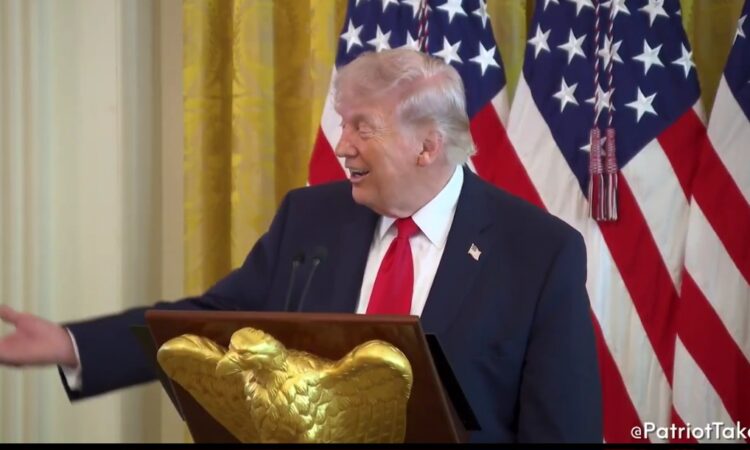
A leaked video from inside the White House has sparked fresh attention around Donald Trump after he made a surprisingly open admission about how he makes decisions—something critics have questioned for years.
Trump has always been known for speaking freely and saying whatever comes to mind. His supporters see that as honesty, but critics argue it often leads him into moments that raise serious concerns about his judgment.
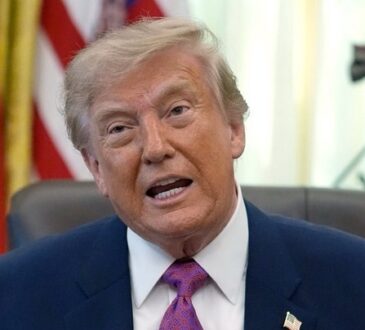
During an Easter luncheon at the White House on April 1, Trump made one of those unfiltered remarks. It was so controversial that the White House later removed the entire event from its official website.
Standing at the podium, he began praising someone in attendance, saying, “I love this guy,” before going further and admitting, “He’s so nice to me… you know we’re not supposed to be seduced that way, right? But I am.”
He didn’t stop there. Trump continued with a statement that surprised even some of his supporters: he said that when people are nice to him, he tends to like them even if they’re not good people and that he would defend them no matter what.
Although the video was taken down, clips had already spread across social media, where people reacted strongly to what sounded like a rare moment of honesty about how easily he could be influenced by praise.
Some users online argued that his comments confirmed long-standing fears that flattery could be used to manipulate him. Others said this wasn’t new, pointing out that politicians like Kamala Harris had previously warned that Trump could be influenced through compliments and favors.
There were also reactions suggesting Trump may not have realized he was being recorded and believed he was speaking privately among supporters.
The White House reportedly tried to remove the video because Trump also made other sensitive comments during the event, including remarks about social programs like Medicare and Medicaid.
Concerns about Trump being influenced by flattery have been raised before by former officials. H. R. McMaster, who served as his national security adviser, once said that people in meetings often competed to praise Trump in order to gain influence. He also warned that leaders like Vladimir Putin understood how to use flattery to shape Trump’s decisions.
This concern hasn’t just come from former aides. Reports during Trump’s presidency suggested that foreign leaders adjusted their approach when dealing with him—using praise, patience, and validation to get what they wanted.
There were even instances where NATO officials tried to keep Trump satisfied with excessive compliments during tense discussions.
Critics say the bigger issue is what happens if people with harmful intentions take advantage of this. In the past, former CIA acting director Michael Morell claimed that Putin used flattery to influence Trump in ways that benefited Russia, even calling him an “unwitting agent” a claim that drew major attention at the time.
When you put all of this together, Trump’s leaked comments don’t sound like a simple joke to many observers. Instead, they feel like confirmation of a weakness that critics have been warning about for years—one that could be exploited by the wrong people.