Donald Trump Assassination ‘Fee’ Revealed — Prez ‘Now a Sitting Duck’ for Murder as $50Million Bounty is Put on His Head

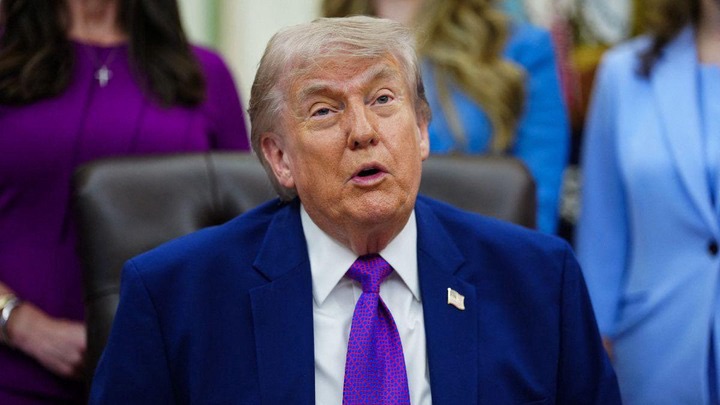
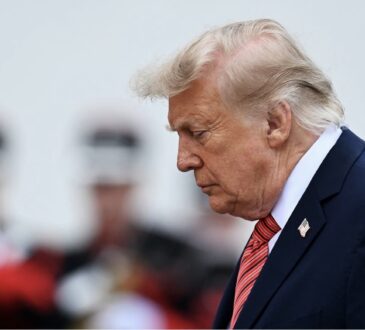
Donald Trump is now facing growing security fears as tensions in the Middle East continue to rise and hostile rhetoric against him becomes more intense.
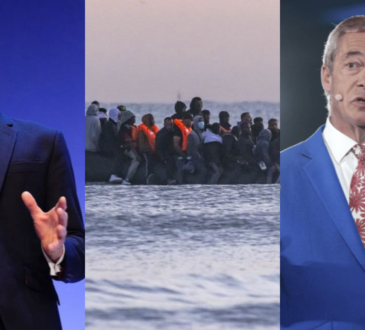
Reports claim that powerful figures overseas have discussed huge financial rewards targeting both Trump and Israeli Prime Minister Benjamin Netanyahu, with some extremist voices openly calling for revenge following recent military conflict in the region. The situation has alarmed intelligence officials and security experts, who fear the dangerous language could inspire real-world violence.
According to reports, security agencies are becoming increasingly concerned that repeated public threats could encourage radicalized individuals or extremist groups to act independently. Experts say that when influential political or religious figures constantly repeat violent messages, it can motivate unstable people who want to prove loyalty to a cause or ideology. Officials reportedly worry that these threats may not remain limited to one region, but could inspire attacks across Europe or even inside the United States.
Analysts familiar with intelligence discussions say Trump’s very public lifestyle and constant appearances make him a highly visible target. Unlike many world leaders who keep a lower profile, Trump regularly appears at rallies, public events, golf clubs, and campaign gatherings, making security challenges even more difficult. Some experts believe this level of visibility increases the risks surrounding him, especially at a time when tensions are already extremely high internationally.
The concerns are even more serious because Trump has already faced multiple assassination scares and attempted attacks in recent years. Those incidents reportedly exposed vulnerabilities within protective systems and raised questions about how difficult it has become to fully secure such a high-profile political figure. Security insiders fear that extremists watching those incidents may believe future attacks are possible, especially if hostile rhetoric continues spreading online and through political channels.
Intelligence experts also warn that the power of symbolism alone can be dangerous. Even if no official military operation is ever carried out, repeated discussions about revenge and targeting world leaders can normalize violent thinking among extremists.
Analysts say that once this type of language becomes common, copycat threats and isolated attacks become much more likely. Officials reportedly fear that unstable individuals could interpret the rhetoric as encouragement to take action on their own.
The atmosphere surrounding the conflict has become increasingly volatile, with global leaders trying to prevent the crisis from turning into a wider regional war. Behind the scenes, diplomats and Gulf leaders are reportedly pushing for calmer negotiations instead of direct military escalation.
Saudi Crown Prince Mohammed bin Salman and other regional leaders are said to have urged Trump to delay major military operations and continue diplomatic discussions in hopes of avoiding a catastrophic conflict that could destabilize the entire Middle East.
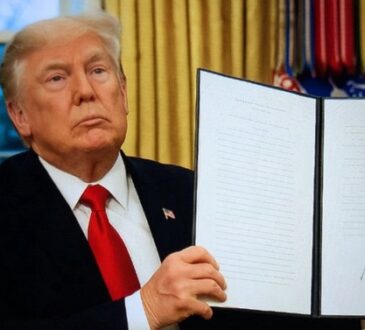
Trump later confirmed that he stepped back from a planned military strike after discussions with allied leaders, saying he wanted to allow more time for negotiations. However, he also warned that the United States military remains fully prepared for a large-scale response if diplomatic efforts fail. His statements showed that while talks are continuing, the possibility of major military action still remains on the table.
Officials familiar with ongoing discussions say the situation remains extremely tense, with little trust between the opposing sides. While there are efforts to avoid direct war, intelligence agencies reportedly believe the danger has not decreased. Instead, many fear the growing anger, political hostility, and constant threats could create an unpredictable situation where a single incident might trigger a much larger crisis.
Security experts say the biggest concern now is not only organized attacks, but also the possibility of lone individuals becoming radicalized by the nonstop rhetoric online and in political circles.
They warn that history has shown how inflammatory language can sometimes push unstable people toward violence, especially during periods of international conflict and political division.
As tensions continue to grow, governments around the world are watching closely, knowing that any major escalation could have consequences far beyond the Middle East.
Many officials fear that if diplomacy completely collapses, the world could face a new and highly dangerous phase of instability involving military conflict, political retaliation, cyberattacks, and growing global insecurity.