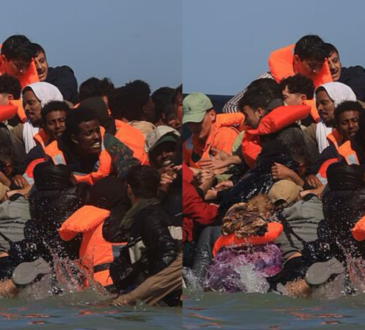

An investigation by the Daily Express into migrant camps near Dunkirk has uncovered some surprising and concerning stories from people preparing to cross the English Channel in small boats.
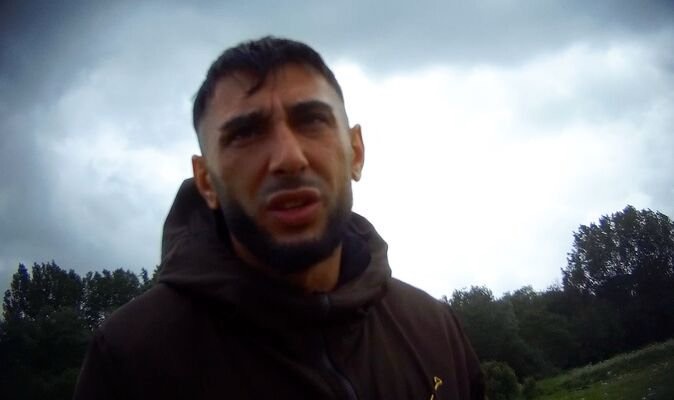
While visiting one of the camps, an undercover reporter spoke to an Iranian migrant who openly admitted that he planned to come to Britain and become involved in serious criminal activity. The man claimed he had spent 29 years living in Denmark and had a criminal record there. He said he believed moving to the UK would allow him to avoid the consequences of his past because British authorities would not easily have access to his criminal history.
The man explained that European rules which once allowed migrants to be returned to the first EU country they entered no longer applied to the UK. Because of this, he believed there was little chance of being sent back to Denmark if he reached Britain. He claimed he intended to join a gang and become involved in activities such as drug dealing, violence, stabbings, and shootings.
He also revealed that arrangements for his journey had already been made. According to him, an uncle living in London had worked with a people smuggler to organise his trip across the Channel.
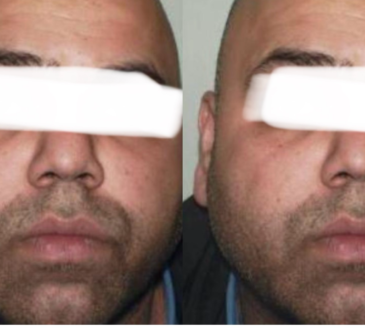
The Express team also met another Iranian migrant named Abram, who had a noticeable scar running down his face. Abram said he had lived illegally in the Netherlands for more than 16 years before eventually being removed from the country. After being expelled, he travelled to northern France and began preparing for a small-boat crossing to Britain.
Abram said he could not return to Iran because he is an atheist and feared persecution there. He also claimed that life in the Netherlands had become extremely difficult and that he received little support after being removed from the country. He said he hoped he would be able to claim asylum if he reached the UK.
According to Abram, many of the people in the camp were not arriving directly from their home countries. Instead, they had previously lived in other European nations and had either been removed or decided to leave before making their way to France and attempting to enter Britain.
The investigation also claimed that people-smuggling networks were operating openly near the camps. Reporters said they witnessed individuals offering crossings to Britain while French police vehicles were parked nearby.
One man, who claimed he would be piloting a small boat in exchange for his own free passage to Britain, allegedly offered to arrange a crossing for the undercover reporter for £1,500. The man explained how migrants would meet at the beach, inflate the boat, launch it into the water, and then begin the dangerous journey across the Channel.
In another encounter, a group of smugglers reportedly offered a place on a boat for £1,800. After agreeing to the deal, the undercover reporter was taken to a tent where migrants were being housed before crossing attempts. Hidden recordings captured conversations about organising groups and deciding who would travel on particular boats.
As the situation developed, the reporters decided to remove their undercover journalist from the camp because the smugglers had begun demanding payment and were becoming increasingly interested in collecting money for the crossing.
Following the investigation, Alp Mehmet, chairman of the immigration pressure group Migration Watch UK, criticised the British government’s handling of illegal Channel crossings. He argued that many migrants view Britain as an easy destination because they believe they will be allowed to stay once they arrive.
He claimed that stronger action is needed to discourage illegal crossings and argued that migrants arriving without proper documents should be detained and returned quickly. He also criticised the large amounts of money Britain has committed to France in efforts to tackle the Channel crisis, saying the problem continues despite the funding.
A spokesperson for the Home Office responded by saying that foreign criminals attempting to enter Britain by small boat are wasting both their time and money. The spokesperson stated that everyone arriving through this route undergoes security checks and is screened against international criminal and security databases. They said the government remains committed to identifying individuals who may pose a risk and taking appropriate action where necessary.