Journalist Who Visited a Migrant Camp Where Around 50 People, Including Young Children, Were Waiting to Cross to Britain Issues a Serious Warning About What She Saw

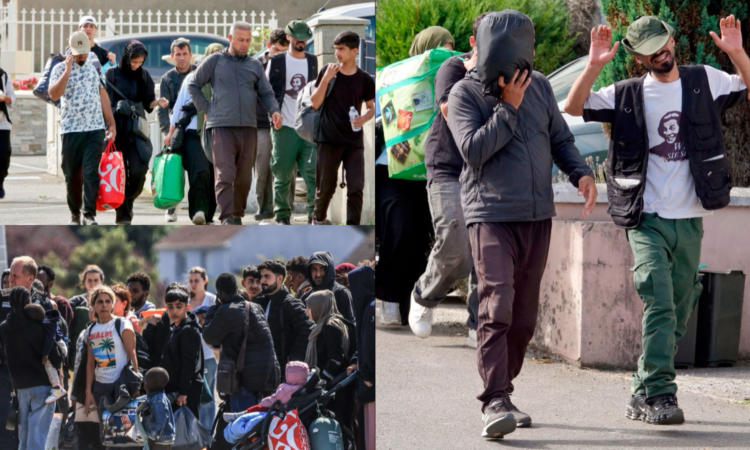
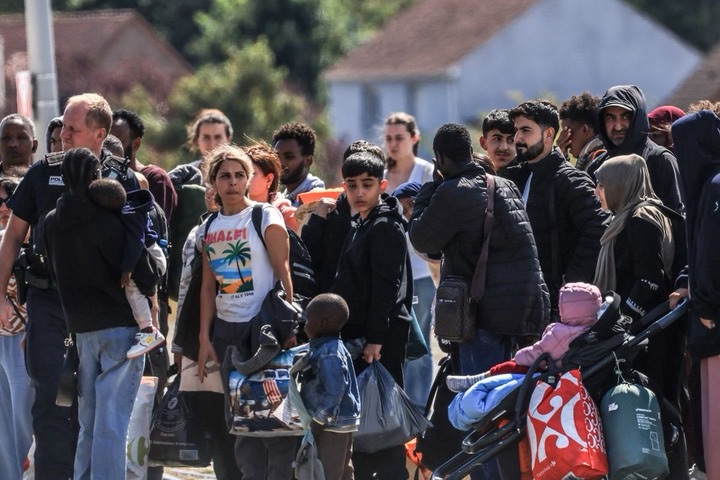
A group of around 50 migrants, including women, young children and families with babies in pushchairs, were seen travelling through northern France as they prepared to cross the English Channel in a dangerously overcrowded boat.
The group was followed as they travelled about 40 miles from a large migrant camp in Loon-Plage, near Dunkirk, to Écault Forest, close to Boulogne. The forest is believed to be one of the areas used by people-smuggling gangs to organise small-boat crossings to Britain.
Each person had reportedly paid around £1,200 for the final part of the journey to the UK. They also had to pay extra for life jackets. Stalls inside the Loon-Plage camp were selling them for as much as €50, or about £42. This was almost twice the price charged by nearby shops.
Katie Sweetingham, head of operations at the charity Care4Calais, said she has noticed more women and children arriving at the camp, including very young babies.
She said the number began to increase after the UK Government paused applications under its family reunion scheme in September last year. According to her, many women and children previously used the scheme to join close family members already living in Britain.
With that option no longer available to them, she said some families now believe that attempting the dangerous Channel crossing is their only choice.
The group’s journey through France was long and complicated. They first travelled from the migrant camp to a bus stop in Loon-Plage, where they boarded a bus to Gravelines.
After waiting for some time, they took another bus from Gravelines to Calais. From Calais, they boarded a train to Boulogne before taking a third bus to the edge of Écault Forest.
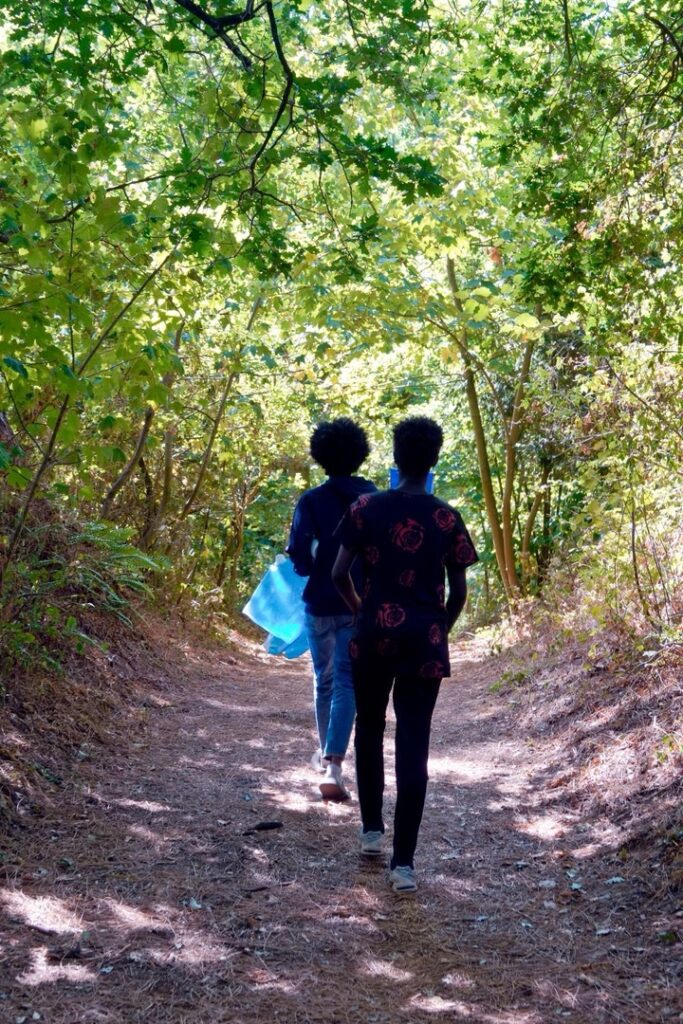
After getting off the final bus, the migrants walked along hiking paths leading into the protected natural area. They eventually arrived at a makeshift shelter hidden inside the forest, which also contains several camping areas.
A tall man, believed to be Kurdish and with a noticeable tattoo on his right hand, appeared to be guiding the group throughout part of the journey.
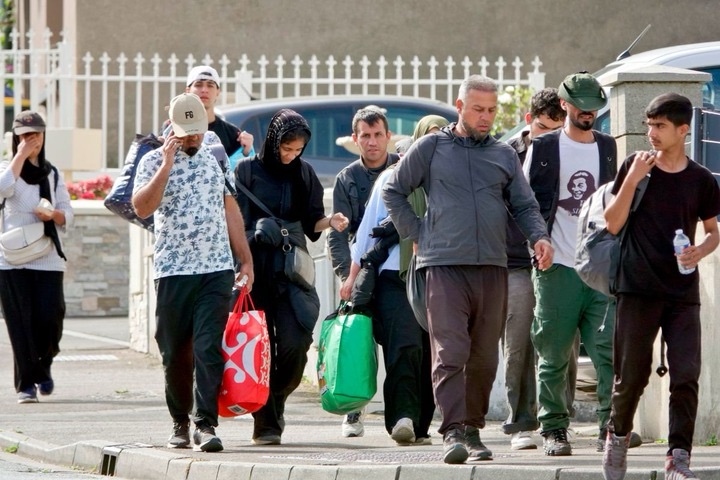
French police officers, including armed gendarmes, reportedly followed the migrants during the four-hour trip. Officers were also seen walking behind them as they entered the forest, but they did not attempt to stop the group.
Calm weather has created favourable conditions for Channel crossings this summer, leading to an increase in the number of boats launched by smuggling gangs.
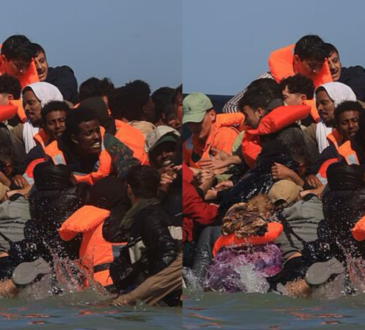
However, the crossing remains extremely dangerous. Four migrants, including three women, have died in separate incidents in recent days. With calmer weather expected to continue until at least September, there are fears that more people could lose their lives.
Investigators believe smugglers are increasingly using the Opal Coast, south of Boulogne, to launch their boats. This follows stronger police action around the traditional launch areas near Calais and Dunkirk.
The gangs are also using much larger inflatable boats, commonly described as “mega-dinghies.” Many of these boats are reportedly bought from manufacturers in China.
Although they are not considered suitable for travelling across open seas, some are being used to carry more than 150 people at a time. A single journey could reportedly earn a smuggling gang as much as £200,000.
In the past, ordering one of these large boats could take several months. The boats had to travel around 5,500 miles by road through countries including Kazakhstan and Turkey. Transporting one to northern France could cost smugglers at least £10,000.
However, at least one factory is now reportedly offering to send the boats directly to France by plane. When folded, the boats can be packed inside containers measuring about two metres long, one metre wide and one metre high.
The vessels are advertised online as large inflatable rescue boats and can be purchased for around £1,200. Manufacturers say they are designed to carry about 40 people, but smugglers are reportedly placing as many as 150 people inside them.
Some can now be delivered to France in less than two weeks, making it easier for criminal gangs to replace boats seized by the authorities.
Sweetingham said people staying at migrant camps had told her about the growing use of larger boats. She described it as a recent change in the methods used by smugglers.
She argued that stronger border security measures have not completely stopped the crossings. Instead, she said, the gangs have changed the way they operate by using larger boats and carrying more passengers on every journey.
This makes each crossing more profitable for the smugglers, but it also places the lives of those on board at even greater risk.
Care4Calais workers also regularly meet children as young as 13 who are planning to cross the Channel without their parents or another responsible adult.
Sweetingham said younger migrants may be pressured into steering the boats. When they arrive in Britain, they can then face criminal investigations and may struggle to convince the authorities of their real age.
The dangers were made clear during two recent tragedies. In one incident near Écault Forest, a boat overturned in the water. A man died and a baby almost drowned.
On the same day, three women in their 20s, 30s and 40s died after an inflatable boat carrying more than 100 people capsized near Loon-Plage.
Sweetingham said some migrants have told charity workers that they watched friends die during earlier attempts to cross the Channel. Despite witnessing such terrible events, some still try again because they believe they have no other safe way to reach the UK and apply for asylum.
Recent figures show that the average number of people travelling in each small boat has more than doubled in five years.
An average of 66 people were carried on each of the 219 boats that successfully crossed the Channel this year. Together, those vessels carried 14,561 people.
In 2021, the average was 27 people per boat. During that year, 1,064 boats carrying a total of 28,526 migrants reached the Kent coast.
A source familiar with the situation said the mega-dinghies are highly profitable for smugglers and are becoming easier for them to obtain. The source warned that the boats allow gangs to move large numbers of people at once, but under extremely dangerous conditions.
The growing use of these boats has created a serious new problem for British and French authorities trying to prevent the crossings and stop the criminal gangs responsible for organising them.
French courts have recently sentenced two men in separate people-smuggling cases.
An Egyptian man began a one-year prison sentence after being convicted of attempting to transport a reported record of 173 migrants to Britain in a 40-foot inflatable boat. The boat later caught fire in the Channel.
An Iraqi-born man identified by police as Rasoul Halo was also sentenced to one year in prison for taking an inflatable boat to a beach.
Halo was reportedly found carrying three passports, including a British passport. He told investigators that he was simply helping a friend make a delivery.