Asylum Seeker Mother Complains About Food Given to Her Children in UK Hotel as She Reveals What She Found in Their Chicken

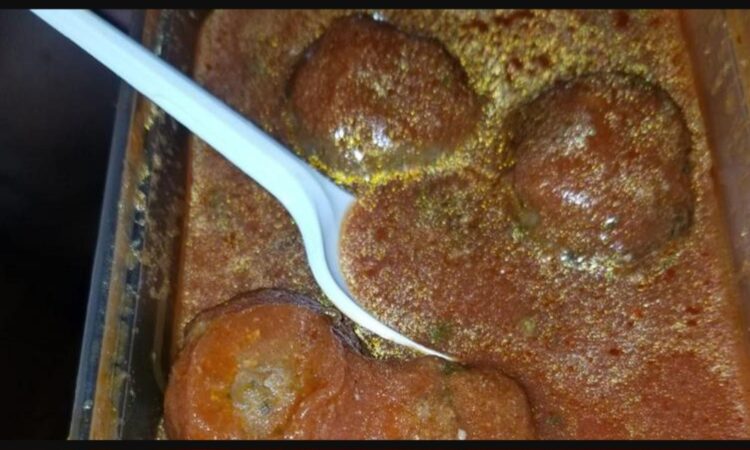
An asylum seeker mother living in a hotel in Britain has complained about the food given to her and her children, revealing that she was once served chicken that still had feathers attached.
The woman, originally from Iran, spoke about her experience during an interview with Greater Manchester Immigration Aid Unit, an organisation that helps people with immigration problems.
The mother, whose name was changed to Fereshteh to protect her identity, was living in the hotel with her toddler and baby son while waiting for a decision on her asylum application.
She explained that the food was particularly bad when she first arrived at the hotel.
According to her, some of the meals were not properly prepared, including chicken wings that had not been cleaned properly before being served.
Although she admitted that the quality of the food had improved, she said the meals were still not healthy enough for her family.
She complained that many of the meals were frozen or fried foods rather than freshly prepared meals.
She also said soup was rarely served and that children’s meals often consisted of chicken nuggets and fish cakes.
The mother explained that the food was particularly difficult for her because she had young children who needed healthy meals to grow properly.
She said the hotel did not allow residents to cook their own meals, leaving them with little choice but to eat whatever was provided.
There was also no fridge available in her room to store food.
The woman claimed that she had raised concerns about the food while she was pregnant but was unable to get different meals.
She said she had contacted Migrant Help and Serco about her situation but was told that the hotel could not provide separate meals for pregnant women.
According to her, she was also informed that an additional pregnancy payment of £5 per week was no longer available to her because she was staying in a hotel where meals were provided.
Another asylum seeker, identified as Maryam, also complained about the meals.
She said the food was often greasy, the rice was dry and pasta was sometimes reheated from the previous day.
Maryam claimed that her 15-year-old son had lost eight kilograms during their first four months at the hotel.
Fereshteh also said her toddler had stopped gaining weight.
Because of this, she was using part of her weekly allowance of £9.10 to buy food her child preferred, including peanut butter, honey and breadsticks.
The women also complained about the conditions inside the hotel.
Maryam said the washing basin and bathtub in her room were damaged, while a broken lift made it difficult for her to move around because she had a bad knee.
Fereshteh said she had to share a small room with her two young children, who had different sleeping patterns.
Another asylum seeker from Sudan, identified as Eima, said she believed residents should be allowed to cook their own food.
She explained that large amounts of hotel food were being thrown away because some residents did not like the meals.
Eima suggested that moving asylum seekers into smaller shared houses where they could prepare their own meals might reduce food waste.
The complaints were included in a report by Greater Manchester Immigration Aid Unit about the experiences of asylum seekers living in hotels in the North West of England.
The report highlighted concerns about food, limited cooking facilities, overcrowded rooms and the difficulties faced by families living in temporary accommodation.