“We Need Better Food, We Can’t Eat This” — Asylum Seekers Speak Out as They Reveal the Shocking Things That Happen to Them After Eating Food Served to Them

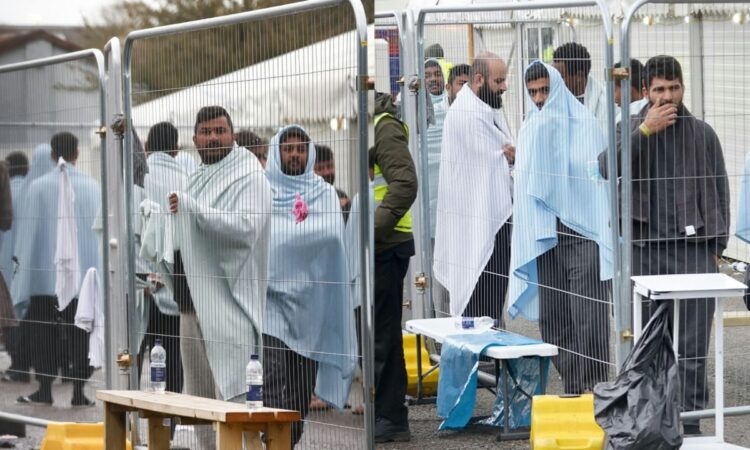
A group of asylum seekers living in hotels in Gloucestershire complained that the food they were being given was making them sick.
The asylum seekers claimed that some of their meals were rotten, mouldy or not properly cooked.
They said the situation had left some residents suffering from stomach pain and diarrhoea.
The complaints were reported by Sky News in November after journalists met a group of asylum seekers at a park in Gloucestershire.
Among those who spoke about their experiences was a woman from Iran who was staying in a hotel with her children.
She explained that the accommodation did not have the facilities she needed to prepare meals for her family.
According to the woman, there was no fridge or microwave in her room.
She said her children needed fresh food and vegetables, but the hotel did not provide the kind of facilities that would allow her to prepare food herself.
Three other asylum seekers from Central America also shared their concerns.
One woman said she had fled her home country because she feared powerful drug gangs.
Although she felt safer in Britain, she explained that living in asylum accommodation had been difficult.
The asylum seekers showed Sky News videos of meals they claimed had been served to them.
The footage reportedly showed food that appeared mouldy, rotten or poorly cooked.
One asylum seeker explained that she sometimes preferred to go without eating because she feared becoming ill.
She claimed that eating the food had repeatedly caused stomach pain and diarrhoea.
The complaints also raised concerns about the health of children living in asylum hotels.
Dr Joan Nash, a GP who had been treating asylum seekers, told Sky News that some of the children she had seen were not gaining weight as expected.
She explained that about one in ten of the asylum seekers under her care had visited a doctor with stomach problems that might have been linked to their food.
The doctor also said that, among the children whose weight had been monitored, around two-thirds had either remained the same weight or lost weight since arriving.
She explained that this had happened over a period of six to seven months and was particularly worrying because children are normally expected to gain weight as they grow.
The asylum seekers’ complaints came at a time when the government was facing wider questions about conditions in accommodation used to house people seeking asylum.
At the time, around 37,000 asylum seekers were living in hotels across Britain, with the government spending approximately £5.6 million a day on hotel accommodation.
The catering company responsible for providing the meals told Sky News that complaints would be taken seriously.
The Home Office also responded to the allegations.
It said asylum seekers living in hotels were provided with three meals a day, alongside a weekly allowance and additional support for families with babies or toddlers.
The department maintained that meals served in asylum hotels were expected to meet NHS healthy eating standards and take account of people’s dietary and cultural needs.
It also said asylum seekers could raise concerns through a 24-hour helpline and make formal complaints.
The government explained that where problems were reported, it would work with accommodation providers to address them.
However, the asylum seekers who spoke to Sky News said they wanted better food and living conditions while waiting for decisions on their applications to remain in Britain.