Birmingham Christian Told to Remove “Jesus Loves You” Stickers From His Vehicle or Risk Losing Something Important

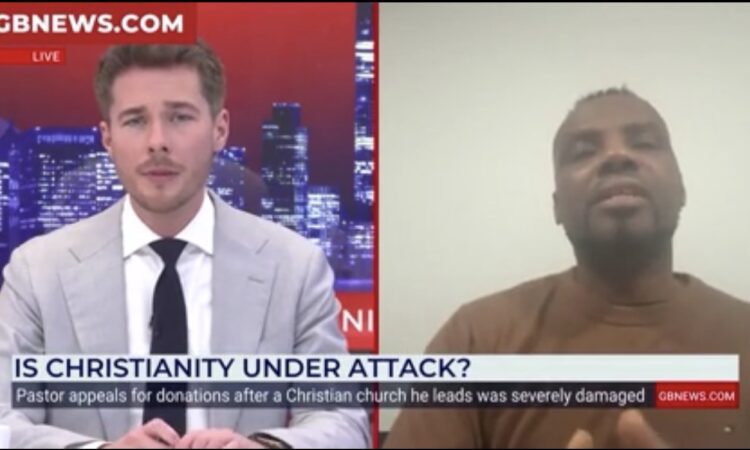
A Christian driver from Birmingham says he was warned that he could lose his car insurance unless he removed “Jesus Loves You” stickers from his vehicle. Although he eventually agreed to take them off so that his insurance would remain valid, he is now considering legal action against the company.
Simeon Chandra, 35, placed handmade stickers carrying the messages “Jesus Loves You” and “Jesus Loves You V Much” on the doors of his 2009 Nissan Pixo. He said his only intention was to share a positive and hopeful Christian message with people who saw his car.
However, his insurer, GoSkippy, later told him that its underwriting department would not accept the stickers because they were considered a modification to the vehicle. The company reportedly warned him that his policy could be cancelled unless he removed the messages and provided new photographs showing that they were no longer on the car.
Mr Chandra said he reluctantly followed the instruction because he needed to keep his vehicle insured. He removed the stickers and sent the company dated photographs as requested, but he was unhappy about being forced to take down a peaceful religious message.
According to emails reported by the Daily Mail, Mr Chandra had contacted GoSkippy before putting the stickers on his car. He sent photographs to the insurer because he wanted to be open and make sure he was following the rules.
At first, he was reportedly told that his insurance policy could continue as long as photographs of the stickers were provided and kept on his file. However, the company later changed its position and demanded that the stickers be removed completely.
A member of staff reportedly told him that the stickers had to be taken off for his policy to remain active. He was also asked to send a dated photograph of the car after removing them. The company referred him to parts of its policy that allowed it to refuse cover if incorrect or missing information was discovered.
Mr Chandra said he repeatedly asked the insurer to explain why the stickers were unacceptable, especially after he had contacted the company in advance. However, he claimed that his requests for a clear explanation were not answered.
He said he felt shocked, surprised and upset by the decision because he believed he had done the right thing by informing the insurer before adding the stickers. He also argued that the words were not offensive, hateful, political or connected to a business.
Mr Chandra described the words as a simple message of love and hope. He said the experience left him feeling as though expressions of faith in Jesus were being treated unfairly. He also questioned whether someone displaying a different kind of positive message would have faced the same response.
He is now looking at the possibility of taking legal action with support from the Christian Legal Centre. He believes the insurer’s decision may have interfered with his freedom to express his religion in public.
Mr Chandra wants to put the stickers back on his car and hopes his case could establish clearer protections for other Christians who wish to display peaceful messages about their faith.
He became a Christian while studying at university and comes from a family of Indian heritage. His parents previously worked as Christian missionaries, and he said his faith remains an important part of his life.
Andrea Williams, chief executive of the Christian Legal Centre, said the disagreement was about more than whether the stickers counted as a change to the vehicle. She argued that it raised a wider question about whether Christians should be allowed to express their beliefs openly without risking access to important services such as car insurance.
She warned that people who care about freedom of religion and freedom of expression should be concerned if an insurer can refuse cover because a customer displays a peaceful Christian message.
GB News said it contacted Somerset Bridge Insurance Services, the underwriter connected to GoSkippy, and asked the company to comment on the case.