British Muslims Speak Out After Shocking Rise in Mosque Attacks Across the UK Leaves Many Afraid to Worship Freely

A mosque is attacked somewhere in the UK about once every five days, according to new figures. Many British Muslims say they are becoming more worried about their safety after years of anti-immigration protests, anti-Muslim demonstrations, riots, and rising racist abuse.
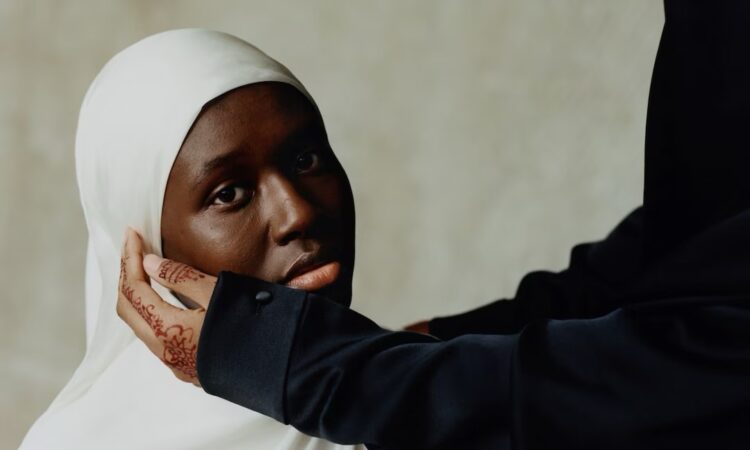
Aliya, a 30-year-old Muslim woman, said she now feels nervous whenever she wears her hijab outside, especially when going to the mosque. She explained that although she does not wear a hijab every day, she always wears one for prayers, and she now worries about being easily recognised as a Muslim. She also fears for the safety of her family and friends whenever they visit the mosque because she feels they could meet people with hateful views at any time.
The British Muslim Trust (BMT) said that seven out of ten Muslim women felt more concerned about their personal safety after the “Unite the Kingdom” rallies organised by far-right activist Tommy Robinson. Aliya also said that watching videos of racist groups going from door to door attacking people from ethnic minority communities reminded her of stories her parents told her about similar racist attacks carried out by the National Front during the 1970s. She said it was upsetting to see history appearing to repeat itself many years later.
New figures released by the British Muslim Trust, which works with the UK Government to monitor anti-Muslim hate crimes, show that attacks on mosques continue to happen regularly across Britain. Amnesty International has also warned that Islamophobic attacks in the UK have reached what it describes as emergency levels.
Several serious incidents have taken place in recent months. Hundreds of Muslim students had to leave a school in Birmingham after a bomb threat. A 14-year-old boy was charged with terrorism offences after police said he planned attacks on two mosques in south London. Police also arrested 12 people over an alleged terror plot targeting a Muslim festival in Suffolk. In Leyton, a man was violently attacked outside a mosque. In Edinburgh, a man carrying a machete reportedly injured five people during a stabbing attack and was later heard on video shouting anti-Muslim abuse while being arrested. Over the past year, mosques and Muslim homes have also been targeted in firebomb attacks in places including Blackburn, Bolton, and Sussex.
For many years, Muslim writers, campaigners, and community leaders have warned that negative language about Muslims in politics and the media can encourage hatred and eventually lead to violence. A report from the Centre for Media Monitoring claimed that The Spectator had shown a long-term pattern of unfair reporting about Muslims and Islam. Another earlier report criticised GB News, saying it often presented Muslims and Islamic beliefs as a threat to British society.
Some political parties have also faced criticism over claims of Islamophobia. Reform UK and the Restore Party have both been questioned over comments made by some candidates after reports that several people standing in local elections had previously shared racist or anti-Muslim content online.
Campaigners also argue that anti-Muslim hostility is not limited to the far right. They say news organisations from different political backgrounds have also been criticised for how they report on issues involving Muslims. Some groups have accused major media outlets, including the BBC and The Guardian, of reporting on the war in Gaza in ways that reduce the suffering of Palestinian civilians. At the same time, social media and artificial intelligence have made it easier for false information, conspiracy theories, and anti-Muslim stereotypes to spread quickly online.
Campaigners point to influential public figures as well. They say that when wealthy and powerful people share anti-Muslim messages, it can encourage more hatred. Billionaire Elon Musk has been criticised after sharing a speech by Tommy Robinson that called for the mass deportation of Muslims because of what Robinson described as their “hostile ideology.” Critics argue that statements like these can increase fear and discrimination against ordinary Muslim families living in Britain.
The UK Government has promised £40 million for mosque security during the 2026-27 financial year. The money is meant to help mosques install CCTV cameras, stronger fencing, and other security measures. However, the British Muslim Trust says long application delays and complicated paperwork have prevented many mosques from receiving the support they need, leaving them exposed at a time when attacks remain a serious concern.
Some community leaders have also questioned why Muslim communities have not received the same level of protection as Jewish communities. The Government recently announced £250 million in funding and an extra 500 police officers to improve security for Jewish communities after a rise in antisemitic attacks. Some Muslim organisations believe similar support should also be provided to help protect mosques and Muslim communities.
Imam Ashraf Dabous, from the Lewisham Islamic Centre in south London, said the best response to growing Islamophobia is to continue showing the true values of Islam through positive actions. He said the mosque encourages people not to respond with anger but instead to continue serving their local communities with kindness and respect. He admitted there are real concerns about the safety of women and children but said the mosque has also received strong support from many non-Muslim neighbours during difficult times.
He said Muslims should continue challenging negative stereotypes by being active and helpful members of society. According to him, showing good character and contributing positively to local communities is one of the strongest ways to break down prejudice.
Many campaigners believe online propaganda has made anti-Muslim hatred worse than ever. They say Muslims are often wrongly treated as if they are all the same and unfairly linked with issues such as grooming gangs, illegal immigration, and extremism. They also argue that changes to terrorism laws during action against pro-Palestinian protests have increased suspicion towards Muslim communities.
Although public attitudes have changed over different periods, from the years following the September 11 attacks to Brexit and today, campaigners say one idea has remained the same. They argue that Muslims are often portrayed as outsiders whose beliefs are seen as incompatible with British values, even if they were born and raised in Britain.
The Lewisham Islamic Centre says its congregation reflects the diversity of modern Britain. Its members come from many different ethnic backgrounds, including Pakistani, Bangladeshi, Indian, Arab, East and West African, North African, English, Irish, Scottish, French, Italian, Caribbean, Chinese, and many others. The mosque says its services are held in English, its imams were born and raised in London, and its community includes people from many different backgrounds.
Imam Dabous said being British and being Muslim are not opposites. He believes the mosque represents both identities and shows that Muslims are an important part of British society.
Campaigners say that as Islamophobia continues to rise, it is more important than ever to challenge anti-Muslim hatred wherever it appears. They encourage people to reject harmful stereotypes, remember that Muslims are a diverse community, and support the rights of everyone to live in safety and with dignity. They also say that while hateful voices often receive the most attention, millions of people from different faiths and backgrounds continue to live peacefully together across Britain, and building stronger relationships between communities remains essential.