Convicted Terrorist Who Called for British Soldiers to Be Killed Is Now Living in a £300,000 Council-Owned Home in the UK, But What He Has Been Caught Doing Since Leaving Prison Has Sparked Serious Concerns

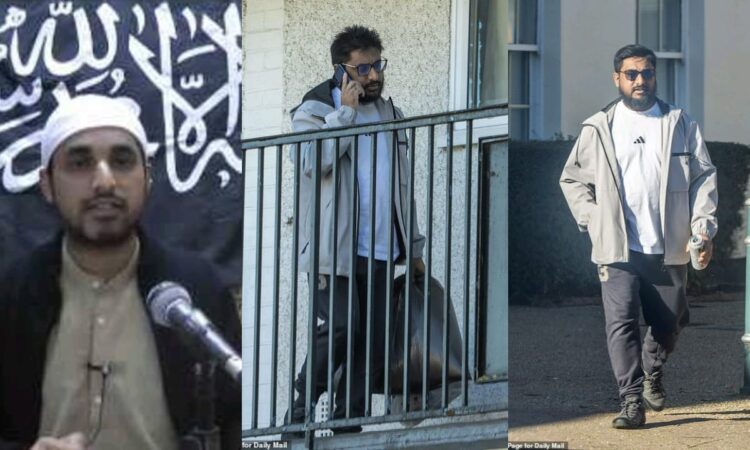
A man who was jailed twice for terrorism offences is reportedly living in a council-owned home in north London while using social media to spread extremist views to young people.
Mohammed Mizanur Rahman, 43, who was once a close associate of extremist preacher Anjem Choudary, has been accused of using TikTok to share controversial messages about Britain, terrorism and religion.
According to the Daily Mail, Rahman is living in a three-bedroom council property in Enfield, north London, valued at around £300,000. The accommodation is heavily subsidised, despite his previous convictions for terrorism-related offences.
Rahman was first sent to prison in 2007 after publicly calling for British soldiers fighting in Iraq to be killed. During a demonstration, he made disturbing statements about wanting to see British troops return home in body bags.
He was sentenced to four years in prison.
In 2016, Rahman was jailed again alongside Anjem Choudary after both men pledged allegiance to the Islamic State terrorist organisation. They were each sentenced to five and a half years in prison.
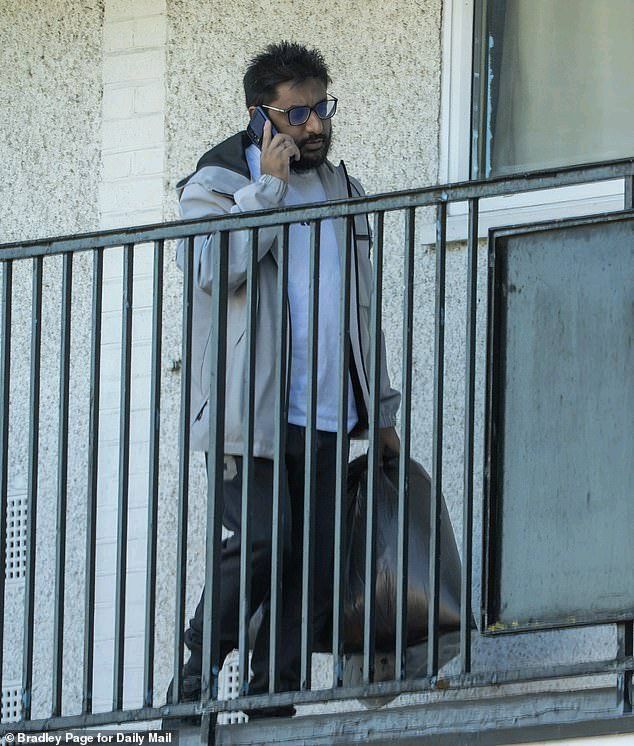
Rahman was released in 2018, while Choudary is now serving a life sentence for directing the banned terrorist organisation al-Muhajiroun.
Since leaving prison, Rahman has reportedly continued sharing controversial religious and political messages online.
The father of four, who works as an accountant and runs a cultural education consultancy, has also written several books under the name Abu Baraa.
Some of these books have raised serious concerns because of their messages about violence, religion and the treatment of women.
One of his books, titled What Is Known From Islam By Necessity, reportedly encourages readers to prepare for violent religious conflict. It also contains passages suggesting that women should not leave their homes without permission from their husbands.
Another book, The Muslim Teachers Handbook, is promoted as educational material for children as young as four.
However, the Daily Mail reported that it contains statements describing Jews and Christians in negative terms and encourages children to support violent jihad.
Following concerns about the content, Waterstones and TikTok’s online shop reportedly removed his books from sale. However, the books were still available on Amazon at the time of the report.
Rahman has also been accused of using TikTok to reach thousands of followers, including teenagers.
In one video, he questioned how terrorism convictions are handled in Britain and claimed that many people convicted of terrorism had not committed violent acts.
He suggested that some people had been jailed simply for reading certain materials or attending demonstrations.
In another video, Rahman criticised Muslims who wanted to join the police, suggesting that the desire to earn money could lead them to make decisions that went against their religious beliefs.
He also attacked Britain, America and Israel over their involvement in the War on Terror.
Rahman accused the three countries of benefiting from negative attitudes towards Muslims and claimed that their actions had contributed to conflicts around the world.
His social media activities have attracted the attention of security experts, who are concerned about the possible influence of his messages on younger audiences.
Professor Anthony Glees, a security expert at the University of Buckingham, warned that Rahman’s activities could pose a serious threat to national security.
He said young people could be particularly vulnerable to extremist messages presented in a way that makes them appear acceptable.
Professor Glees also questioned why someone with Rahman’s history was still able to spread such views publicly.
He called for counter-terrorism police to take action before the situation becomes more dangerous.
The Daily Mail also reported that Rahman had appeared in videos praising Islamist militant groups, including Boko Haram, the terrorist organisation based in northeastern Nigeria.
Following media enquiries about his activities, TikTok reportedly banned his accounts and online shop.
The platform’s action came after concerns were raised about his promotion of extremist material and the sale of controversial books.
However, Rahman reportedly said the ban would not stop him and suggested that he would create another account.
When Daily Mail reporters approached him about his books and previous terrorism convictions, he rejected the suggestion that he was an extremist.
Instead, he accused the journalists of being extremists themselves.
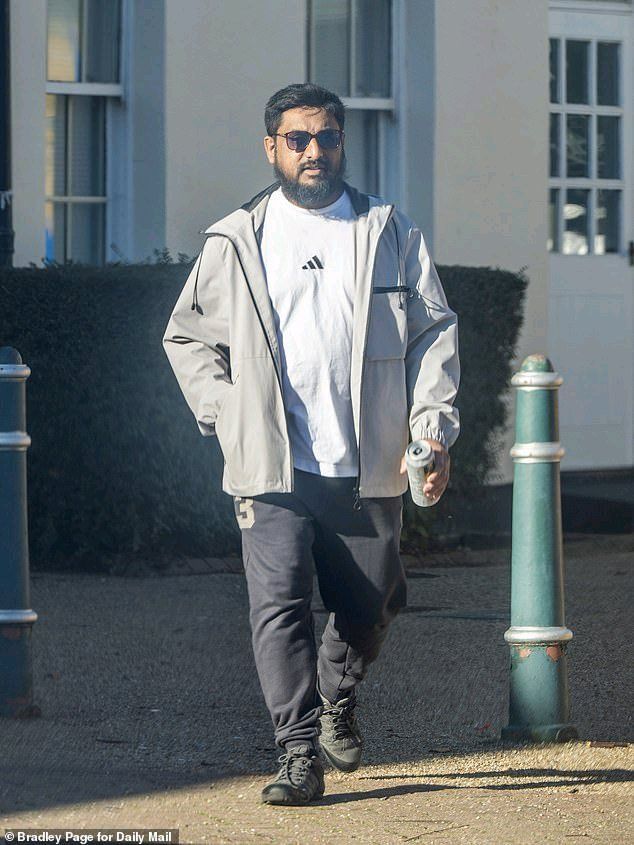
Rahman was also photographed leaving his north London home on his way to a local mosque for Friday prayers.
The report has raised questions about how convicted terrorists are monitored after leaving prison, particularly when they use social media to communicate with younger people.
It has also brought attention to Rahman’s council-owned accommodation and whether enough is being done to prevent people previously convicted of terrorism offences from spreading extremist messages online.
Security experts believe social media platforms can make it easier for extremist ideas to reach large audiences, especially teenagers who may not fully understand the dangers involved.
Although Rahman’s TikTok accounts have reportedly been removed, concerns remain about whether he could return to other platforms and continue sharing similar messages.
The situation has renewed debate about public safety, online radicalisation and the responsibilities of authorities when dealing with people who have previously been convicted of terrorism offences.