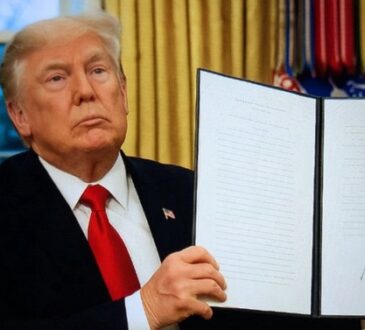

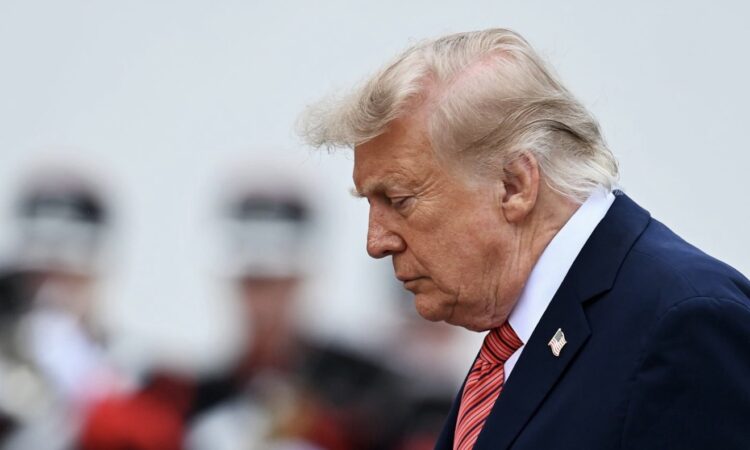
President Donald Trump has been boasting that his political rallies are helping Republicans gain more support ahead of the upcoming midterm elections. However, recent reports suggest that the situation may be very different from what the president is telling the public.
According to political commentator Steve Benen of MS NOW, Trump’s claims about his popularity and influence are being challenged by growing concerns within his own Republican Party. Some Republicans are reportedly worried that the president’s public image could damage their chances of winning important elections.
Earlier this week, Trump confidently claimed that his rallies were having a very positive effect on Republican candidates. He argued that whenever he holds a rally, support for the party increases significantly. The president appeared convinced that his appearances were helping Republicans attract more voters and strengthen their chances of victory.
Trump also claimed that prices across the United States were falling sharply, suggesting that his administration was making life more affordable for ordinary Americans.
However, a new Consumer Price Index report released on Wednesday painted a different picture. The figures showed that inflation was getting worse rather than improving, raising questions about Trump’s claims that prices were coming down.
At the same time, reports emerged suggesting that several Republican lawmakers were privately losing confidence in their party’s chances of keeping control of the House of Representatives.
According to Politico, some Republicans believe their chances of holding the House are becoming increasingly slim. More importantly, several of them reportedly see Trump himself as one of the biggest reasons behind their political difficulties.
One Republican complained that Trump had turned the entire election into a contest focused on himself rather than the candidates seeking office.
Another Republican reportedly expressed concern about Trump’s high unfavourability ratings, suggesting that many voters’ negative opinions of the president could hurt Republican candidates across the country.
These private complaints appear to contradict Trump’s public statements that his rallies are helping the Republican Party become more popular.
While Trump continues to present himself as a major political advantage for Republican candidates, some members of his own party reportedly fear that his involvement could make their campaigns more difficult.
Steve Benen, who has written about Trump’s statements on inflation and the upcoming elections, believes the situation reveals a deeper problem within Republican politics.
The concerns are not simply about whether Trump can attract large crowds to his rallies. They also involve whether those crowds translate into enough votes to help Republican candidates win elections.
A president may attract thousands of enthusiastic supporters to a political event, but that does not necessarily mean the wider voting public shares the same enthusiasm.
Benen’s analysis also raises questions about the Republican Party’s relationship with Trump. Despite growing concerns about his popularity, many Republicans continue to support him publicly, even when they privately express doubts about his political influence.
Another important issue is how Republicans are spending their campaign money. Recent decisions about where to direct financial resources could suggest that party leaders are taking the negative polling figures seriously and preparing for difficult election battles.
The situation in the Senate is also attracting attention, as Republicans assess which seats they can realistically defend and where they might face strong competition from Democrats.
For Trump, the contrast between his confident public statements and the private concerns reportedly being expressed by Republicans creates an uncomfortable political picture.
He continues to insist that his rallies are increasing Republican support, but some lawmakers within his own party appear to believe his personal unpopularity is becoming a serious obstacle.
The growing concerns suggest that Republicans may face a difficult challenge as the midterm elections approach, particularly if voters continue to associate individual Republican candidates with their opinions of Trump.
The central question is whether Trump’s ability to energise his loyal supporters will be enough to overcome the negative feelings that other voters have towards him.
As the elections draw closer, the difference between Trump’s claims of growing political strength and the concerns reportedly being raised within his party could become increasingly difficult for Republicans to ignore.