Fishermen Shocked After Seeing the Type of Boat 15 Illegal Migrants Were Using to Cross the Channel to the UK

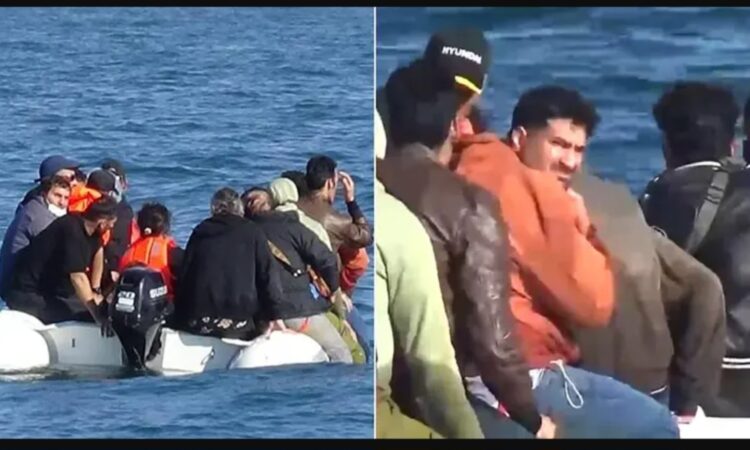
A powerful inflatable boat carrying 15 migrants from France reportedly came very close to reaching the coast of Dover after apparently avoiding both French and British authorities during its journey across the English Channel.
The group was spotted by local fishermen early on Saturday, August 8, as the boat travelled towards Dover Harbour in Kent. According to witnesses, the vessel came within about a mile of the British coast before a Border Force boat arrived.
The incident attracted attention because this was not described as a typical overcrowded migrant dinghy. The passengers were travelling in what appeared to be a brand-new white inflatable boat fitted with a powerful 20hp Suzuki engine said to be worth around £2,000.
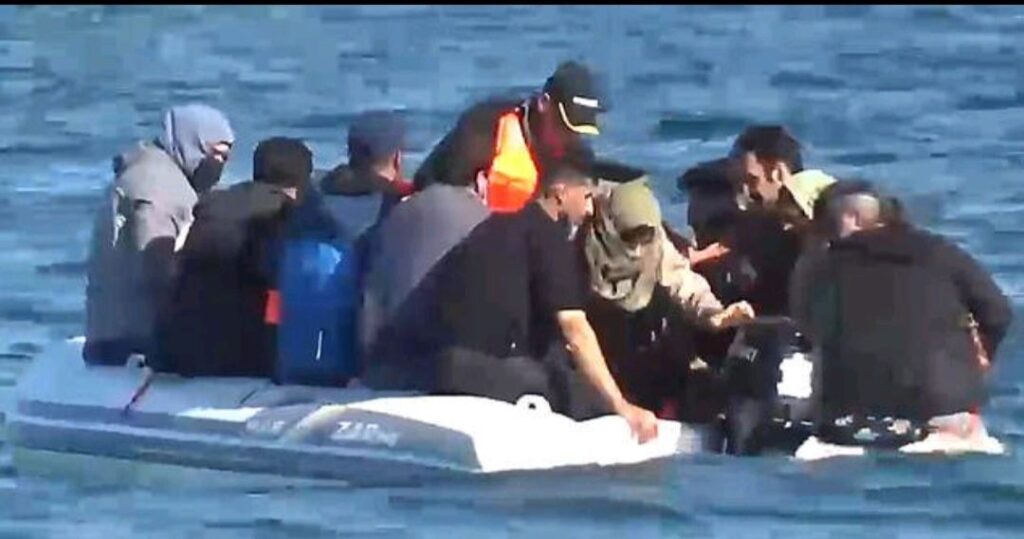
Photos of the boat reportedly showed that the engine was so new that instructions for buyers were still attached to it.
The passengers also appeared different from many of the migrants normally seen making dangerous Channel crossings. Witnesses said some were wearing expensive-looking caps and jackets, while two were reportedly dressed in leather jackets. One fisherman said they looked as though they were going out for a day of shopping.
It is not known exactly how the journey was organised. One possibility suggested in the report is that people smugglers arranged the crossing and charged the passengers thousands of pounds each. It was estimated that they could have paid at least £4,000 per person.
However, fishermen who witnessed the incident also suggested another possibility. They said the passengers may have bought the boat and engine themselves and organised their own journey across the Channel. There is no confirmation of either explanation.
The fishermen said they first noticed the boat about three miles from Dover at around 7.54am.
At one point, the person driving the boat reportedly signalled that the engine had stopped working. He then shouted towards the fishermen and asked them to contact the British Coastguard so that Border Force could come and collect the passengers.
The fishermen initially believed there was a genuine problem and began trying to help. However, they said they became suspicious when the driver appeared to restart the engine without much difficulty.
The boat then continued travelling towards Dover.
According to the witnesses, the driver later stopped the boat again and once more asked for the Coastguard. The engine was then restarted for a second time and the journey continued.
One fisherman claimed he believed the driver was deliberately trying to attract the attention of British rescue services. However, this is the fisherman’s interpretation of what happened and has not been officially confirmed.
Under maritime rules, people believed to be in danger at sea may need to be rescued, regardless of their immigration status.
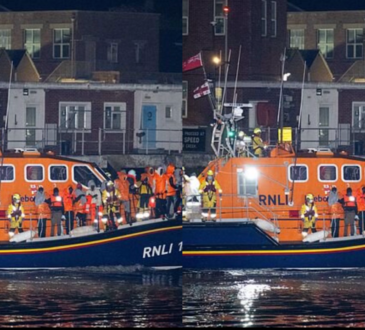
The fishermen continued watching the boat as it moved closer to Kent. They said it was eventually less than a mile from reaching the coast when a Border Force vessel arrived.
The group was then intercepted before the inflatable could enter Dover Harbour under its own power.
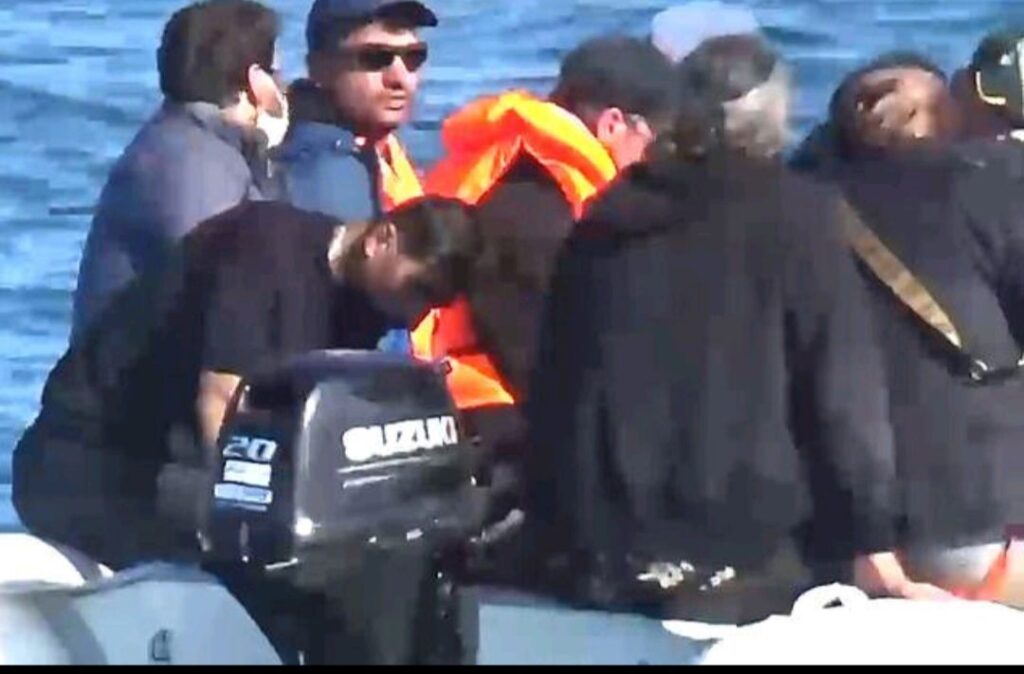
Witnesses also claimed that they did not see life jackets on the passengers. They suggested that the people on board may have believed the journey would be relatively quick because of the boat’s powerful engine.
A 20hp engine can move a medium-sized inflatable boat at considerable speed, meaning the journey across the Channel could potentially be completed in only a few hours depending on the weather, sea conditions and route taken.
The incident comes at a difficult time for the Government as it continues trying to reduce the number of people reaching Britain in small boats.
It also happened only days before another boat carrying around 230 migrants crossed the Channel. That vessel was reported to have carried one of the largest groups ever recorded on a single small boat crossing.
The latest case could also raise questions about whether some migrants with more money are choosing smaller and better-equipped boats rather than travelling on the heavily overcrowded dinghies normally associated with people-smuggling gangs.
The report described the 15 passengers as suspected to be Indian or Iranian, although their nationalities had not been officially confirmed.
Whatever their backgrounds, witnesses said the group appeared determined to reach Britain.
After migrants arrive in the UK, they can make an asylum claim if they say they need protection. Their claims are then considered by the authorities, and people who qualify for asylum support may receive accommodation and other basic assistance while their cases are processed. Making the crossing itself does not guarantee that a person will be allowed to remain permanently in Britain.
The Home Office said the Government is making progress in reducing small-boat crossings and said July recorded the lowest number of crossings for that month since 2020.
However, officials acknowledged that more needs to be done.
The Government said its agreement with France includes plans to increase the number of officers working on French beaches by 40 per cent as part of efforts to stop boats before they begin their journeys.
Despite those efforts, the sight of a well-equipped inflatable carrying 15 people coming so close to Dover without being intercepted earlier is likely to raise further questions about how effectively the Channel is being monitored and how migrant crossings are changing.