“I’m a Homeless Man, But Here’s What I Think Andy Burnham Is Doing That Is Still Leaving People Like Me on the Streets Without Shelter”

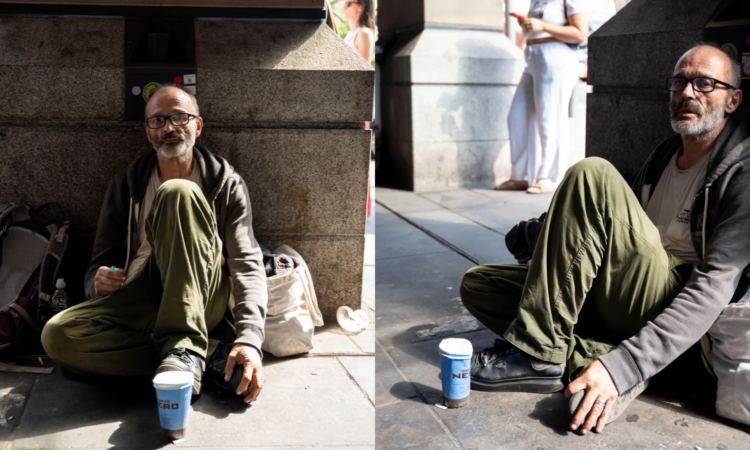
Homeless people living on the streets of Britain have called on Prime Minister Andy Burnham to do more to help people already struggling in the country, as more migrants continue to arrive across the English Channel.
The Sun spent three days speaking with dozens of rough sleepers across London. Many said they feel forgotten by the Government, especially when they see asylum seekers being provided with accommodation while they themselves are sleeping outside.
The Government currently provides accommodation for asylum seekers who would otherwise be homeless and unable to support themselves. This includes hotels and other types of accommodation while their asylum claims are being considered. However, homeless people in Britain do not automatically qualify for emergency accommodation. Local councils have to assess their individual circumstances and decide what legal support they are entitled to.
One of the people interviewed was Paul, 59, a former chef who said he once cooked for the Queen Mother at Ardoe House in Aberdeen. After spending almost 40 years working in restaurants around the world, Paul now finds himself outside Westminster Tube station asking strangers for food.
He said his life changed after a relationship broke down and he later struggled with drug addiction. He has been homeless on and off for around four years and says he is now sober.
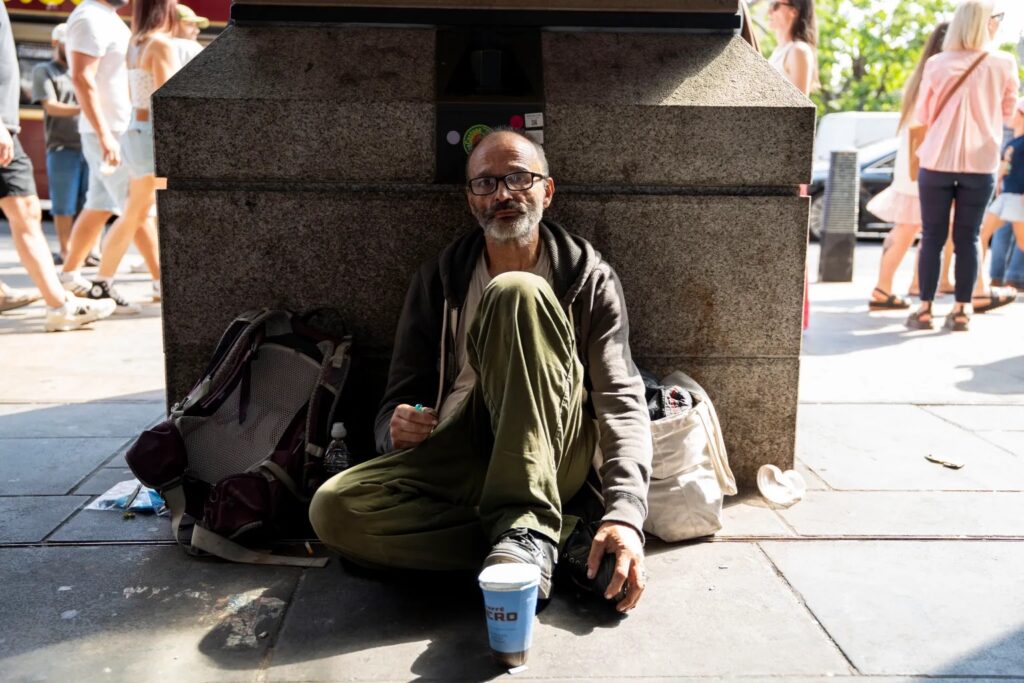
Paul said one of his biggest frustrations is that he believes there is not enough help available for homeless people who do not currently have alcohol or drug problems. He said he approached several organisations but was told there was little they could do for him because he did not fit certain categories of need.
He also said life without identification documents or a permanent address makes it extremely difficult to open a bank account and receive benefits such as Universal Credit. According to Paul, even keeping important documents and possessions safe while sleeping outside can be difficult because of the risk of them being stolen.
Speaking about asylum seekers receiving government-funded accommodation, Paul said he finds it difficult not to feel frustrated when older people who have worked and lived in Britain for decades can still end up begging for food on the streets.
He said the situation has become so difficult that sometimes prison can appear better than sleeping rough because prisoners at least have a bed and regular meals.
Another man, Bradley, 62, said he became homeless after his marriage ended. He moved into his mother’s council property, but after she died a few months later, he discovered he did not have the right to remain there and was eventually evicted.
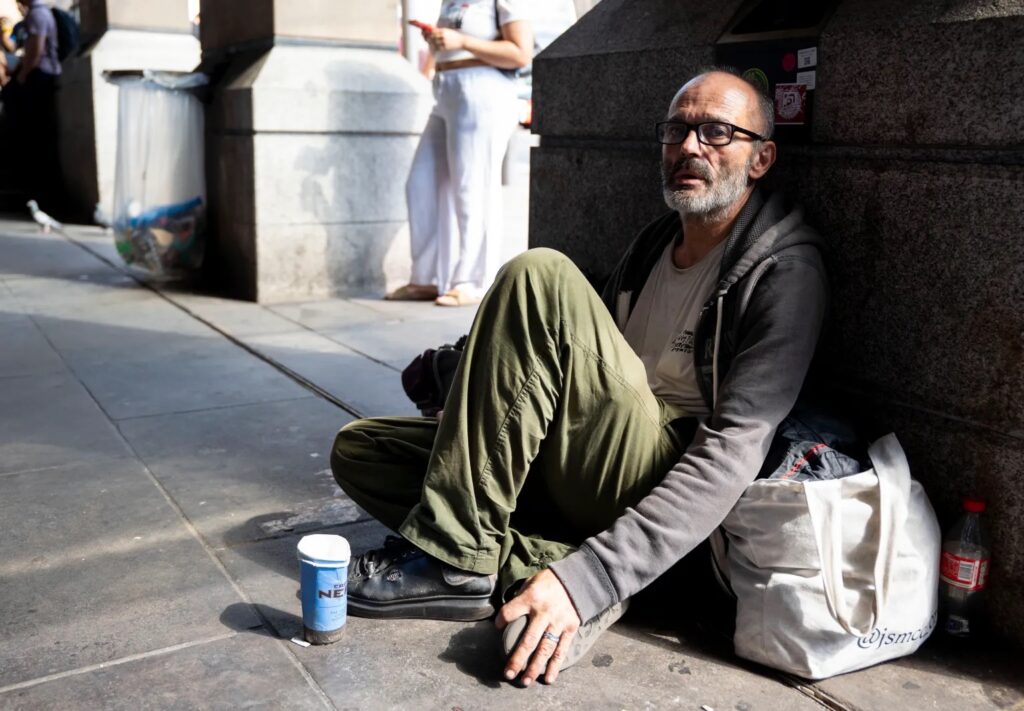
Bradley said he believes people like him can struggle to receive help because they are not considered a high enough priority. He questioned why someone who has nowhere to live can still find it so difficult to secure accommodation.
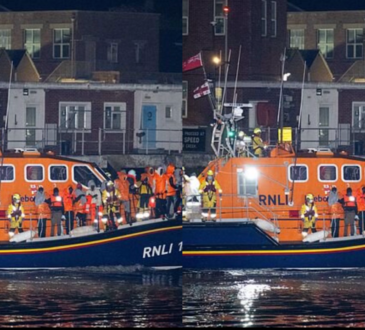
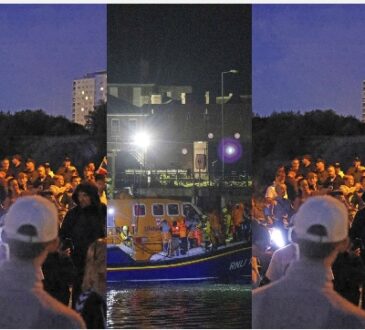
Their comments came as large numbers of migrants continued crossing the English Channel. One recent crossing reportedly involved a record 230 people travelling on a single inflatable boat.
People arriving by small boat are normally taken for processing before those who claim asylum and qualify for support are moved into suitable accommodation while their cases are considered.
At the end of March 2026, nearly 94,000 asylum seekers were reportedly living in government-funded accommodation. By comparison, official figures recorded 4,793 people sleeping rough in England on a typical night during the relevant annual count.
The comparison has caused anger among some homeless people, although the two systems operate under different laws and responsibilities.
Paul said he understands that some people arriving in Britain genuinely need help, but he believes the Government should also make sure British residents who have fallen into homelessness are not forgotten.
Another rough sleeper, Tam, 62, originally from Glasgow, said he has spent decades sleeping rough. Sitting outside a supermarket in Leicester Square, he said governments have repeatedly promised to tackle homelessness but the problem continues.
Tam believes the Government should put greater effort into helping people already sleeping on Britain’s streets.
He pointed to what happened during the Covid pandemic, when emergency measures were introduced to move many rough sleepers into temporary accommodation. In his view, this showed that governments can take significant action when they decide the problem is urgent enough.
Official figures suggest British nationals make up nearly two-thirds of people recorded as sleeping rough. Around 13 per cent are from EU countries, 11 per cent are from non-EU countries, while the nationality of another 11 per cent is unknown.
Kevin, 59, who sells The Big Issue in London, also spoke about his experience. He became homeless after spending time in prison and said even members of his family do not know that he currently lives on the streets.
Kevin said he does not oppose helping genuine refugees escaping war and danger. However, he believes the Government should make sure homeless people already living in Britain receive proper support as well.
He also criticised the way some homelessness services operate. According to Kevin, people without serious addiction problems can sometimes find themselves placed in accommodation alongside people struggling with severe drug or alcohol problems, without enough long-term help to move into permanent housing.
Outside Charing Cross station, another homeless man named John said he had been sleeping rough for around eight months. He occasionally stays in hostels but described difficult conditions, including overcrowding, drugs and fights.
John said it was frustrating to sleep outside while hearing that asylum seekers were being accommodated in hotels and other government-funded properties.
A former construction worker, also called Paul, 44, from Oxford, said he had been sleeping rough for around two years after leaving prison. He said he suffers from epilepsy and sometimes has to beg for money.
He also questioned why people sleeping rough cannot receive more help when accommodation is being provided to asylum seekers.
Under the asylum-support system, people seeking asylum who are homeless or do not have enough money for essentials can apply for accommodation and financial support. Those receiving qualifying asylum support can also receive help with certain healthcare and travel costs.
For homeless people generally, councils assess individual circumstances before deciding what assistance they are legally required to provide. Certain people can be considered to have a “priority need”, including pregnant women, families with dependent children, some vulnerable people, victims of domestic abuse and people made homeless because of emergencies such as fires or floods.
The rough sleepers interviewed said they had not been placed in a priority-need category.
Many had therefore ended up sleeping in central London, often near busy railway stations, shops and tourist attractions where they could ask members of the public for money or food.
Government figures show London and the South East accounted for a large share of England’s rough sleepers in autumn 2025. Westminster recorded the highest number, followed by areas including Camden, Somerset, the City of London, Bristol, Birmingham and Leeds.
Westminster City Council says it spends millions of pounds every year helping people move away from the streets.
Homelessness charity St Mungo’s also said its outreach workers operate day and night to find people sleeping rough and help them understand what support and services they can access.
The charity welcomed Burnham’s promise to tackle rough sleeping but said ending homelessness would require better coordination across government and improved access to essential services.
The Government says reducing rough sleeping is a major commitment for the Prime Minister. Burnham pledged during his first days in office to end rough sleeping at the earliest opportunity and announced an additional £340 million over five years to tackle homelessness and rough sleeping.
The Government also says the number of hotels being used to accommodate asylum seekers has fallen significantly, with fewer than 160 now being used compared with around 400 at an earlier peak.
But for people still sleeping on London’s pavements, promises and statistics provide little immediate comfort. Their message to the Government is simple: while Britain continues helping people arriving from overseas who genuinely need support, people already living on the country’s streets should not be left without somewhere safe to sleep.