“I Dreamed of Starting a New Life in the UK, But Now I’m Worried About One Thing and I Can’t Sleep”

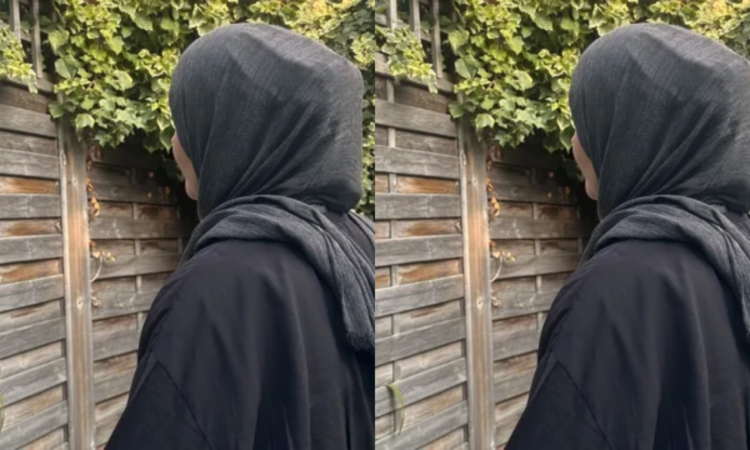
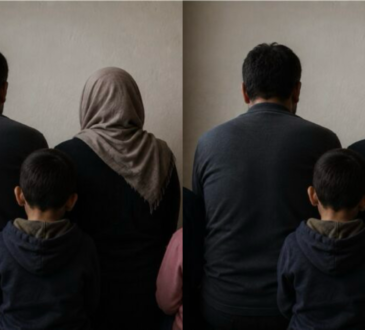
Shahd says she dreamed of starting a new life in the UK after escaping the war in Gaza with hopes of finding safety, work and a better future for her family. But instead of rebuilding her life with her husband and two children by her side, she now faces the heartbreak of living alone while they remain stranded abroad.
The 36-year-old said she cannot even begin the process of bringing her family to Britain because the Home Office suspended the Refugee Family Reunion scheme last year. Since then, thousands of refugees have been left waiting without knowing when, or if, they will be able to apply for their loved ones to join them.
Shahd and her family fled Gaza in February 2024 as the humanitarian crisis worsened. She said her children were starving and food had become almost impossible to find. At one point, 12 relatives were forced to live together in a single room. She remembers paying around $20 (£15) for just one apple, which had to be shared between several family members because there was so little food available.
Looking back, she described life in Gaza before they escaped as “hell on earth.” Constant fear, hunger and destruction had become part of everyday life, leaving the family with no choice but to flee.
Shahd, her husband and their two children, who are both under 16, managed to escape to another country where they no longer faced daily bombing and could at least find enough food to survive. However, life there brought a different set of problems.
She explained that they were unable to gain legal residency, leaving them with almost no rights. Their children could not attend school, they could not open bank accounts, and even buying a SIM card in their own names was impossible because they had no legal immigration status.
Later, Shahd travelled to the UK using a visa she already held for the graduation ceremony of her online Master’s degree. When she arrived in November last year, she claimed asylum, believing Britain would offer her family the chance to rebuild their lives safely.
She said she arrived full of hope, believing she would finally be treated with dignity and respect after everything she had endured.
Although she is grateful that her asylum claim was approved, she says the joy was overshadowed by the pain of leaving her husband and children behind. She occasionally travels back to visit them, but says those brief reunions only make saying goodbye even harder.
The Refugee Family Reunion scheme was suspended last September. At the time, officials suggested the pause would only last until spring, but applications have still not restarted and no replacement system has been introduced.
As a result, many refugees remain uncertain about when they will be allowed to apply to bring their closest family members to Britain. The Refugee Council estimates that around 16,300 refugees are currently unable to begin that process.
For Shahd, the emotional strain is overwhelming. She says her children have already been deeply affected by the deaths of relatives in Gaza, leaving them constantly worried about losing more family members.
Every time she has to leave them behind, she tells them she is trying to build a better future for them all. But her son always asks the same heartbreaking question: “When are you going to take us with you?”
She says she has no answer because nobody knows when a new family reunion system will be introduced or what the new rules will be.
The uncertainty has made life even more difficult. As a mother who has already lost her home, career and sense of security, she says starting over alone while her children remain separated from her is one of the hardest experiences she has ever faced.
The Home Office has confirmed that the new Immigration and Asylum Bill, which is currently going through Parliament, will introduce tougher rules for refugee family reunions.
A Home Office spokesperson said family reunion will no longer happen automatically. Instead, refugees wanting to bring close relatives to the UK will have to meet stricter requirements under the Government’s planned asylum reforms.
Shahd says she wants to prepare for the new application process, but she cannot do so because no one knows exactly what the future rules will be. She fears the requirements may become so strict that her family could struggle to qualify.
Under the proposed changes, refugees could face rules similar to those that apply to other migrants, including earning at least £29,000 a year, proving they have suitable accommodation and, in some cases, showing that family members can speak basic English.
The Government says the changes are necessary because migration pressures have increased and the previous family reunion rules no longer reflect the current immigration system. Former Home Secretary Yvette Cooper said the original policy was created many years ago to help families separated by war and persecution but now needs updating.
Despite everything she has experienced, Shahd says she wants to contribute to British society. Since arriving in the UK, she has been applying for jobs and attending interviews, hoping to find work and build a stable future.
She says she and her family simply want the chance to become part of the community, work hard and rebuild their lives together, but believes they have not been given that opportunity.
Imran Hussain, Director of External Affairs at the Refugee Council, has urged the Government to restore refugee family reunion as quickly as possible while also creating more safe and legal routes for people fleeing conflict. He said allowing families to stay together would help refugees settle into British society and rebuild their lives.
For Shahd, however, the greatest pain is the separation from her loved ones. She says many people wrongly believe refugees choose this life, but insists nobody willingly gives up everything they have.
She says she delayed leaving Gaza for as long as she could because becoming a refugee was never part of her plans. Only after losing her home, her job, her security and almost everything else did she realise she had no other option.
She says her family’s experiences have only strengthened one belief: that they belong together and should be allowed to live together again.
The Government’s Immigration White Paper, published in January, said a new policy on refugee family reunions would be announced before the end of the year. The Home Office has also confirmed that new safe and legal refugee routes are expected to begin rolling out in the autumn, while reforms aimed at preventing abuse of the asylum system remain part of its wider immigration plans.