
“I’m Worried and Scared”: Asylum Seeker Speaks Out After Learning About New UK Rules That Could Affect His Future

The UK Government is considering new rules that could require people who are granted asylum to repay up to £10,000 to cover some of the costs of the support they received while waiting for a decision on their claim.
Under the proposals, those who are working and earning above a certain income threshold would have to repay the money in monthly instalments, similar to the student loan repayment system.
The repayment would be a condition for being allowed to settle permanently in the UK and would be separate from the normal taxes they already pay on their earnings.
The proposal is currently being debated in the House of Commons and has already sparked strong reactions from refugees, charities and campaign groups.
Supporters argue it is a fair way for successful asylum seekers to contribute towards the cost of the support they received, while critics believe it would place an unfair financial burden on people who are trying to rebuild their lives after fleeing war and persecution.
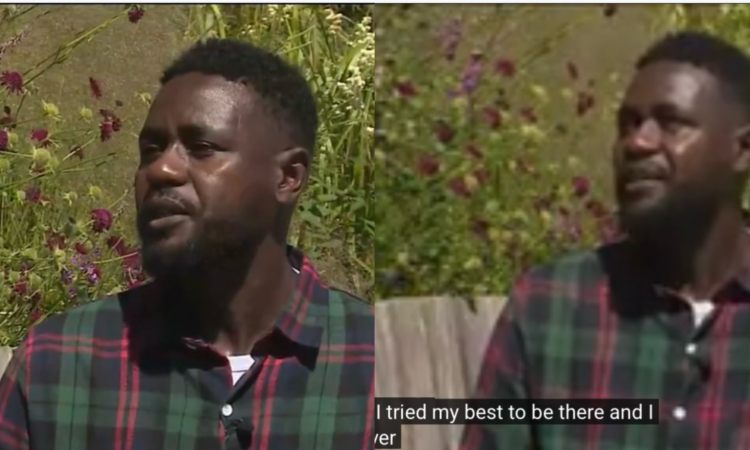
One asylum seeker, Wahib, said the plans have left him worried about his future. He has been living in Aberdeen for more than a year after escaping the civil war in Sudan but is still waiting for the Home Office to decide whether he can work. Until then, he remains unable to earn a living or begin rebuilding his life.
Speaking about his situation, Wahib said he feels as though precious years of his life are slipping away. He explained that he wants to work, build a future, start a family and eventually have a home of his own, but instead feels trapped in uncertainty. The thought of beginning a new life in Britain while also carrying a debt of up to £10,000 makes him fear that his future will become even more difficult.
Wahib said he never wanted to leave Sudan but believed he had no choice because of the violence. He described witnessing people being shot in front of him and living in constant fear during the conflict.
He explained that speaking out or resisting was simply not possible because of the danger. Leaving his home country also meant leaving his family behind, something he says continues to weigh heavily on him.
The Government has defended the proposal, arguing that the current cost of supporting asylum seekers is placing too much pressure on British taxpayers. Home Secretary Shabana Mahmood said receiving asylum support comes with responsibilities as well as rights.
She argued that once people have been granted protection and are in a position to earn an income, they should contribute towards the cost of the assistance they received, describing it as a way of repaying the generosity shown by the British public.
However, refugee organisations have strongly criticised the plans. The Scottish Refugee Council described the proposed repayment system as a “punishment tax” that would make life even harder for people who have already escaped conflict, persecution and trauma.
The charity argues that refugees already contribute to society once they are allowed to work by paying income tax, National Insurance and other taxes like everyone else.
Colin Macfarlane, the Scottish Refugee Council’s director of external affairs, questioned how practical the scheme would be. He asked how much it would cost the Government to create and operate the repayment system, how much money officials realistically expect to recover, and whether the cost of administering the scheme could outweigh the amount collected. He said these important questions have not yet been answered.
Despite the criticism, ministers insist the proposals are part of wider reforms designed to create what they describe as a fairer and more sustainable asylum system.
The Bill remains under discussion in Parliament, and its final form will depend on the outcome of debates and votes before any new repayment rules can become law.