Muslim Man Who Planned a Deadly Terror Attack on the English Defence League Has Been Cleared for Release, but the Reason Is Dividing Opinions

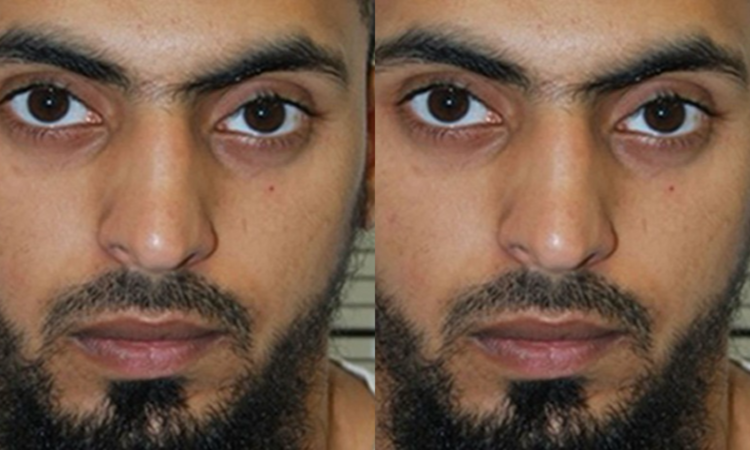
Mohammed Hasseen, one of the men involved in a plot to carry out a terrorist attack at an English Defence League (EDL) rally, has been cleared for release from prison despite a last-minute legal challenge by Justice Secretary David Lammy.
Hasseen was part of a group of six Muslim men who planned to attack an EDL demonstration in Dewsbury, West Yorkshire, on June 30, 2012. Prosecutors said the group intended to detonate homemade bombs before using guns, swords and knives to attack people attending the rally.
The planned massacre never happened because the group arrived after the demonstration had already ended and the crowds had left.
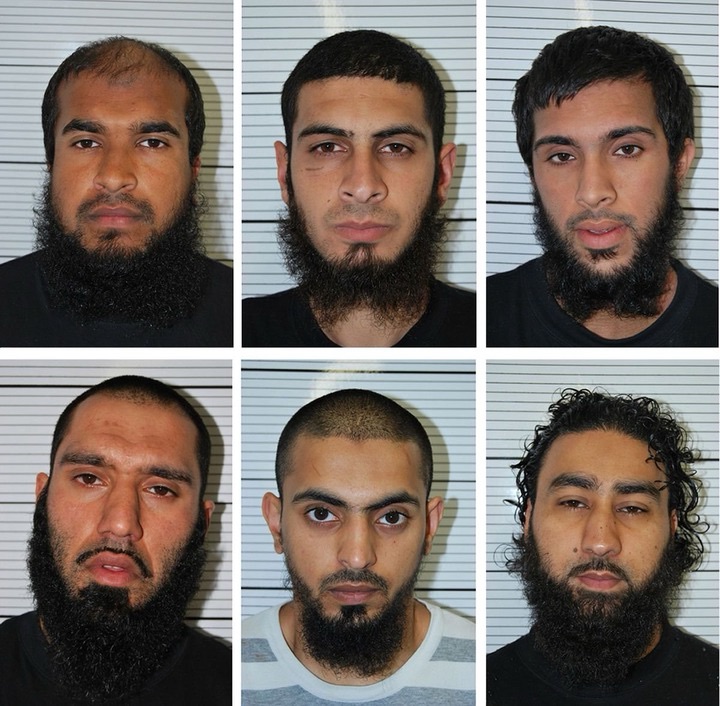
In 2013, Hasseen, who was 24 at the time, admitted several terrorism offences and was sentenced to 23 years and nine months in prison for his role in the plot.
The Parole Board has now decided that Hasseen is suitable for release. David Lammy challenged that decision in court, arguing that it was irrational and that the hearing had been unfair. He also claimed the Parole Board failed to properly consider comments Hasseen had allegedly made to a prison officer, describing those remarks as deeply troubling.
However, Sir John Saunders rejected the challenge and ruled that there was no legal reason to overturn the Parole Board’s decision. He acknowledged that Hasseen’s crimes were extremely serious and said the planned attack could have caused many deaths if it had been carried out. He also accepted that any future similar offence could result in mass casualties.
Despite those concerns, Sir John said he was satisfied that the Parole Board had fully considered the risks before deciding Hasseen could be released. He said the panel and the professionals who supported Hasseen’s release were well aware of the seriousness of the case.
During the original sentencing, Judge Nicholas Hilliard QC described how the group had become heavily influenced by extremist Islamist propaganda. He said they had spent long periods watching violent videos and listening to speeches promoting jihad and revenge, becoming deeply committed to extremist beliefs.
Investigators discovered around 18,000 pieces of Islamic ideological and extremist material stored on computers and mobile phones belonging to members of the group. The judge said the men hoped their attack would trigger a cycle of revenge attacks and racial violence between different communities across Britain.
The court also heard that it was unlikely the group would have abandoned their plans if the opportunity to attack had arisen again. Judge Hilliard said it was “inconceivable” that they would simply have given up their extremist ambitions because the first attempt had failed.
The intended target of the attack was an EDL rally where former leader Tommy Robinson had originally been expected to speak. However, Robinson withdrew from the event before it took place.
Five members of the group travelled from Birmingham to Dewsbury carrying an arsenal of weapons, including sawn-off shotguns, swords, knives, a nail bomb packed with 458 pieces of metal shrapnel, and a partially assembled pipe bomb. By the time they arrived, the rally had ended earlier than expected and the estimated 750 EDL supporters had already dispersed.
Unable to carry out the attack, the group reportedly stopped for fish and chips before beginning the journey back to Birmingham in two separate cars.
The plot was uncovered purely by chance. Police officers, who had no knowledge of the planned terrorist attack, stopped one of the vehicles, a Renault Laguna, during a routine motorway check on the M1 because it was being driven without insurance. The vehicle was seized, while two of the men, Omar Khan and Jewel Uddin, were released after being taken to a nearby train station.
Two days later, staff at the vehicle recovery compound made a shocking discovery when they opened the boot of the seized car. Inside they found bags containing the weapons and explosives, leading to a major counter-terrorism investigation that exposed the group’s plans and resulted in the convictions of all six men.