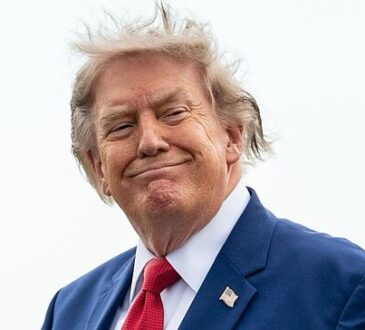

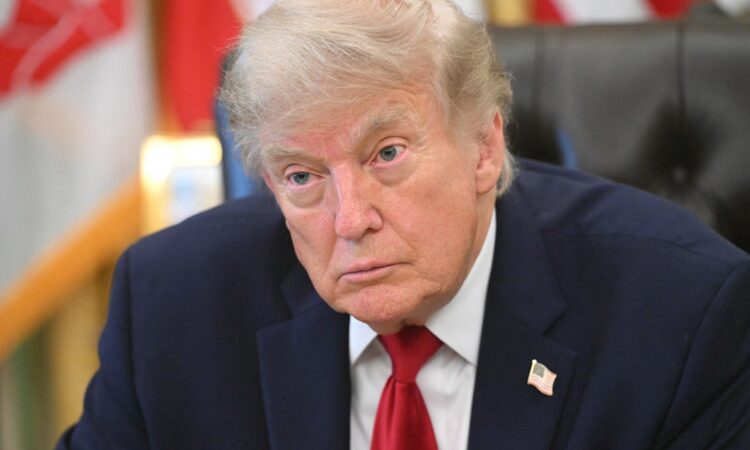
Donald Trump is once again trying to shape the political conversation ahead of the upcoming midterm elections, believing he has found a message that could help Republicans regain momentum. He has increasingly described Democrats as “communists” after several democratic socialist candidates won Democratic primary races, presenting them as a serious threat to the future of the United States. Speaking at recent events, Trump warned supporters that the country is facing what he called one of its greatest dangers, while other leading Republicans have also started using the same language in speeches and campaign appearances.
House Speaker Mike Johnson has echoed Trump’s message, saying the next election will be a choice between common sense and communism. Republicans hope that repeatedly using the term will encourage conservative voters to turn out while raising concerns about the direction of the Democratic Party.
However, many Americans today are far removed from the era when communism was one of the biggest political fears in the world. The collapse of the Soviet Union happened decades ago, and millions of younger voters have little or no memory of the Cold War. Because of this, the word “communism” may not carry the same emotional impact it once did for older generations.
Recent polling suggests opinions among younger Americans are changing. While capitalism continues to receive more support overall, younger people are generally more open to socialist ideas than previous generations. Some surveys even show a noticeable number of younger adults expressing a positive opinion of communism, something that would have been almost unthinkable decades ago.
Despite the strong political attacks, many of the Democratic politicians Trump regularly criticizes do not identify themselves as communists. Figures such as Alexandria Ocasio-Cortez, Zohran Mamdani and Bernie Sanders have promoted policies such as expanded healthcare, stronger workers’ rights and increased government investment, but they have not called for the government to take complete control of businesses or eliminate private ownership, which have traditionally been linked with communist ideology.
One newly elected Democratic candidate, Darializa Avila Chevalier, has faced scrutiny over past social media posts that appeared to speak positively about communist ideas. Critics have pointed to those comments, while supporters argue she has changed over time and that voters will ultimately decide whether her past statements remain an issue.
The debate over political extremism continues on both sides of the political divide. During Fourth of July celebrations in Washington, members of the white nationalist group Patriot Front marched near the Capitol carrying flags and wearing matching clothing that concealed their identities. Their appearance once again sparked concerns about the growing visibility of extremist groups in the United States.
Trump has also faced criticism over previous controversies involving far-right figures and organisations. Critics continue to point to past meetings, public statements and political events that they believe have encouraged or failed to distance themselves from extremist movements. His participation in a Christian nationalist prayer gathering earlier this year also drew criticism from opponents, who argued that it promoted the idea that America should officially be recognised as a Christian nation.
Supporters of Trump reject those accusations and argue that his campaign is focused on protecting American values, strengthening the economy, securing the border and defending religious freedom. They say Democrats have moved further to the left on a range of issues and believe voters should be aware of those changes before casting their ballots.
Although progressive candidates continue to attract national attention, moderate Democrats have still won many of the party’s primary elections, particularly in competitive congressional districts where defeating Republicans remains the main goal. Party leaders believe centrist candidates often stand a better chance in closely contested races.
As campaigning intensifies, Republicans are expected to continue making accusations that Democrats are embracing socialism or communism, while Democrats are likely to argue that Republican leaders have become increasingly influenced by far-right politics. With both parties attempting to define each other before voters head to the polls, the political battle over labels, ideology and the future direction of the country is expected to remain one of the biggest themes of the election season.