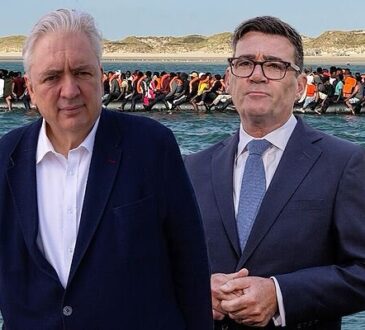
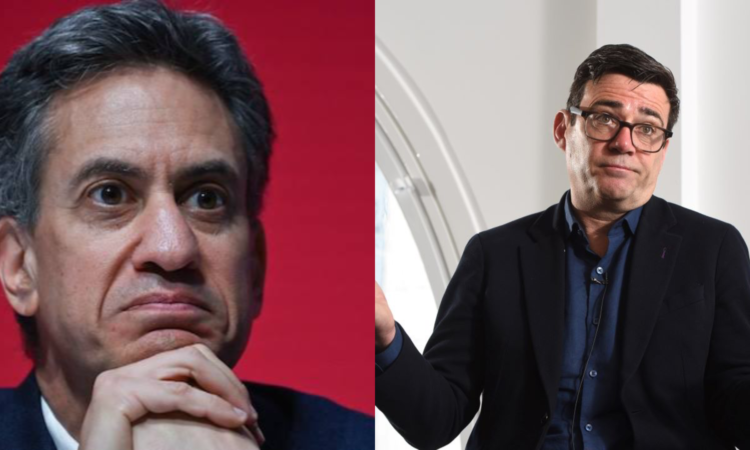
Ed Miliband Is Branded ‘A Disaster for Britain’ After Major Company Makes a Decision That Has Left Andy Burnham Under Fire

BP has announced that it is pulling out of the North Sea after deciding it is no longer competitive to keep investing there. The company has spent around 60 years operating in the region and has played a major role in Britain’s oil and gas industry. Instead of investing more money in the UK, BP now plans to focus on opportunities elsewhere.
The decision has sparked fresh criticism of the government’s energy policies. Critics argue that former Energy Secretary Ed Miliband’s approach made it much harder for companies to continue investing in the North Sea. During his time in the role, the government blocked new North Sea drilling licences, delayed decisions on major projects such as the Rosebank and Jackdaw oil and gas fields, increased the Energy Profits Levy from 25% to 38%, creating an overall tax rate of 78% for many producers, extended the levy until 2030, and removed an investment allowance that encouraged companies to put money back into new projects.
Many believe these policies made Britain a far less attractive place for oil and gas investment, with BP’s departure now being seen as one of the biggest consequences.
Although Ed Miliband has since moved to another government role, many believe the effects of his policies are still being felt. Prime Minister Andy Burnham has suggested the government may take a fresh look at projects like Rosebank and Jackdaw, but no final decision has been announced. Responsibility now sits with Energy Secretary Miatta Fahnbulleh, who has indicated she may take a more balanced approach, although critics say little progress has been made. By the time any decision is reached, BP had already decided to leave.
The timing has also attracted attention because Burnham is currently on holiday. Some commentators argue that keeping one of Britain’s biggest companies investing in the UK should have been a more urgent priority. Before leaving, BP chief executive Meg O’Neill reportedly spoke with Burnham and encouraged the government to continue supporting the UK’s oil and gas industry.
She pointed out that Britain still relies on oil and gas for around three-quarters of its energy needs. Supporters of North Sea production argue that producing more energy at home improves energy security, protects jobs, raises tax revenue, and helps fund the country’s transition to cleaner energy. They also argue that reducing UK production does not reduce demand because Britain will simply import more oil and liquefied natural gas from countries such as the United States and Qatar, which can increase emissions through transportation.
Industry supporters also claim continued investment in the North Sea could contribute billions of pounds to the UK economy while protecting thousands of skilled jobs.
There are also growing concerns that BP could eventually move its stock market listing from London to New York. As one of the UK’s largest listed companies, such a move would be a major blow to London’s financial markets. Similar speculation has surrounded Shell, another of Britain’s biggest companies, which has also considered whether listing in the US could be more attractive.
The concerns do not stop with the energy sector. Pharmaceutical giant AstraZeneca has also reportedly expressed frustration over government support for its investment plans. Reports have suggested the company has explored closer links with US businesses, leading to speculation that it too could consider moving its main stock market listing in the future.
These concerns come as the London Stock Exchange has already seen a significant decline in the number of listed companies over the past decade. The total has fallen from more than 2,300 companies in 2015 to around 1,530 today because of companies being taken over, choosing to delist, or fewer new businesses joining the market.
Critics warn that if several of Britain’s largest companies were to move their main listings overseas, it would damage London’s position as a global financial centre, reduce investment in the UK, and weaken the country’s economy.
Ed Miliband has previously criticised the large profits made by oil companies, saying some of those earnings were both morally and economically wrong because they were boosted by rising energy prices during international conflicts. His critics argue that driving investment away from Britain could make it harder for the government to generate the tax revenue needed to pay for future public spending plans.