Italian Migrant Who Raped a Woman While She Was Asleep Will Remain in the Country After a Judge Gives Shocking Reason Why He Cannot Be Deported

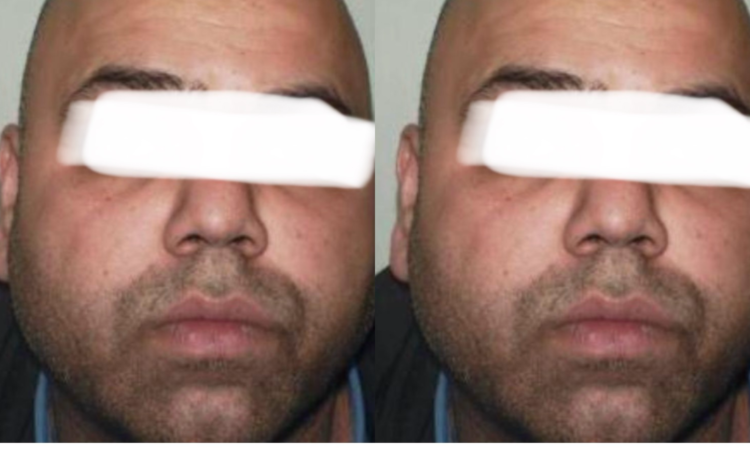
A foreign national convicted of rape has won his appeal against deportation from the UK after a judge accepted that he had taken responsibility for his actions and had changed his behaviour.
Italian national Hendrix Ekwen, 34, was sentenced to eight years in prison in May 2021 after being convicted of raping a woman in 2017. The attack happened while the woman was asleep. She woke up to find that a man was having sex with her while she was lying in bed.
Ekwen had moved to the UK in 2009 when he was 18. He denied the offence during his trial at Newcastle Crown Court and later tried to challenge his conviction.
The Home Office had wanted to remove him from the UK and send him back to Italy. However, Ekwen appealed against the deportation decision and has now been allowed to remain in Britain following a recent hearing.
The decision has attracted attention because a risk assessment carried out while he was in prison reportedly found that he could present a high risk of causing serious harm to women. The assessment also raised concerns about what was described as sexual entitlement and a lack of empathy towards victims.
However, Judge Rebecca Anne Pickering accepted that Ekwen had changed in recent years. She said he had gradually come to accept responsibility for what happened and now understood that his actions amounted to rape.
The judge also accepted that he understood the effect his actions had on his victim and that his change in attitude appeared to be genuine rather than something he had done simply to improve his chances of staying in the UK.
During the appeal, the court also heard about parts of Ekwen’s life before the offence. He had attended college to study sports coaching and had played football.
There was also a history of previous incidents before the rape conviction. Between 2012 and 2014, Ekwen was involved in five domestic abuse incidents. In 2015, he received a conditional discharge after being convicted of possessing cannabis.
In 2020, he applied under the European Union Settlement Scheme, which was designed to allow eligible EU citizens and their families to continue living in the UK after Brexit. Later that year, he was convicted of rape and was eventually sentenced to eight years in prison in 2021.
Despite the seriousness of the conviction and the concerns raised in his prison risk assessment, Ekwen told the court that he had learned from what he had done. He also said that he did not want to be seen as the type of person who would commit such an offence.
In a judgment published on August 17, Judge Pickering ruled that the Home Office had not shown that Ekwen represented a genuine, present and sufficiently serious threat to public safety that would justify his removal from the UK.
The judge said she accepted that he now recognised what happened as rape, understood the impact on the victim and had taken responsibility for his actions. She also said his change had happened gradually over time.
As a result, his appeal against deportation was allowed under the Immigration (European Economic Area) Regulations 2016 and on human rights grounds.
The decision means Ekwen can remain in the UK for now, despite the Home Office having previously sought to remove him from the country because of his criminal conviction.
The Home Office has said it is challenging the decision. A spokesperson said the department had asked for permission to appeal to the Court of Appeal through the Upper Tribunal.
The Home Office also said that nearly 10,000 foreign criminals, including people convicted of murder and rape, had been removed from the UK since the last election. It said this represented a 36 per cent increase compared with the previous 21-month period.
The department added that foreign nationals who receive prison sentences in Britain are referred for deportation as early as possible and that those who are deported can be barred from returning to the UK.
The case is likely to continue to attract debate over how the UK balances deportation rules, public safety, rehabilitation and human rights when dealing with foreign nationals convicted of serious crimes.
The case also highlights the importance of taking domestic abuse and sexual violence seriously. Abuse can happen to anyone and is not always limited to physical violence.
Domestic abuse can include controlling behaviour, threats, intimidation, emotional abuse, physical violence or sexual abuse. Sexual abuse can include being touched without consent, being pressured into sexual activity or being forced to have sex against someone’s wishes.
Anyone experiencing abuse or who believes a friend or family member may be at risk should seek help. If someone is in immediate danger, they should contact the emergency services.