British Charity Reveals the Large Amount of Free Support It Gave to Asylum Seekers in the UK and Migrants Waiting Near Calais to Cross the English Channel

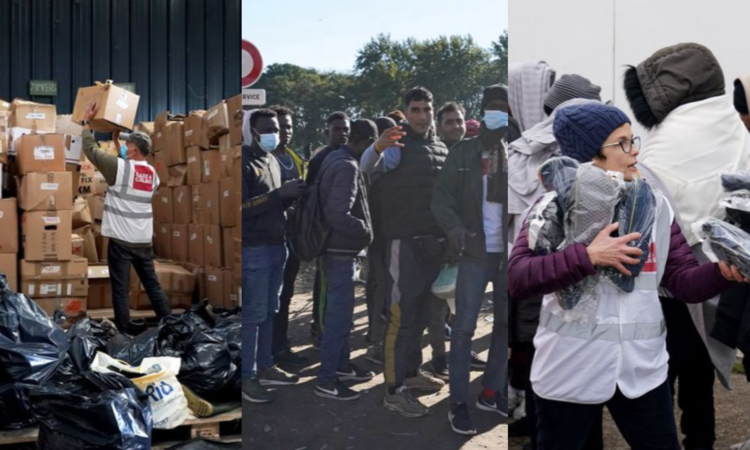
A British charity has revealed how much support it gave to asylum seekers and migrants in the UK and northern France, including people waiting near Calais in the hope of crossing the English Channel.
Care4Calais, which campaigns for the rights of refugees and asylum seekers, said it distributed around 162,000 items to nearly 30,000 people during the period covered by its annual report. The help included clothing, food, mobile phone SIM cards and other everyday services.
According to the charity, volunteers handed out 2,221 Vodafone SIM cards that included six months of mobile data. These allowed people to make calls, send messages and access the internet. Supporters say phones are important because migrants may need to contact relatives, charities, lawyers or emergency services. However, critics argue that giving out free SIM cards and data could make it easier for people to organise journeys to Britain.
The charity also distributed 3,765 hoodies, 3,532 pairs of jogging trousers and 1,174 T-shirts. It gave out 2,770 winter packs containing hats, gloves and neck warmers, as well as 1,169 waterproof items to help people stay dry during bad weather.
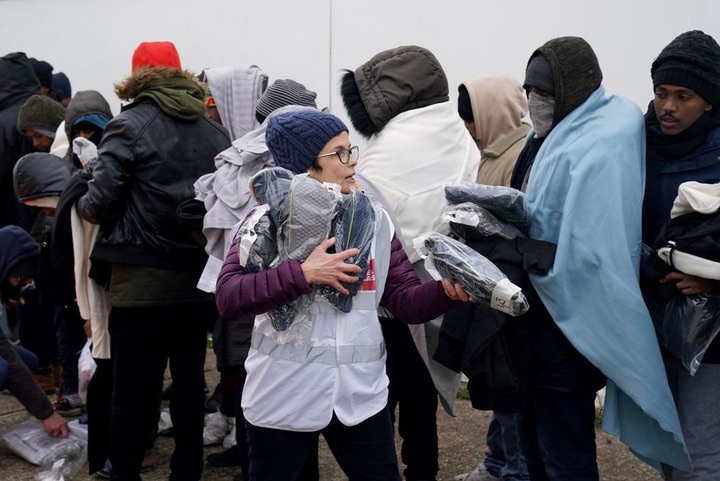
Care4Calais also provided 1,173 Ramadan food packs for Muslims who were fasting during the holy month. These were among approximately 116,000 items reportedly distributed in Calais alone.
Earlier this year, a French resident claimed that some Muslim migrants had travelled to Calais from other parts of France to receive the Ramadan meals. He argued that the food distribution was attracting more people to the area and increasing the number hoping to cross the Channel. Care4Calais and its supporters have rejected the wider suggestion that humanitarian help causes people to make dangerous journeys, saying their aim is simply to support people living in difficult conditions.
The charity recorded 25,807 individual occasions when people used its services. Apart from providing clothes, food and SIM cards, it offered 3,367 free haircuts and more than 13,500 opportunities for people to charge their mobile phones.
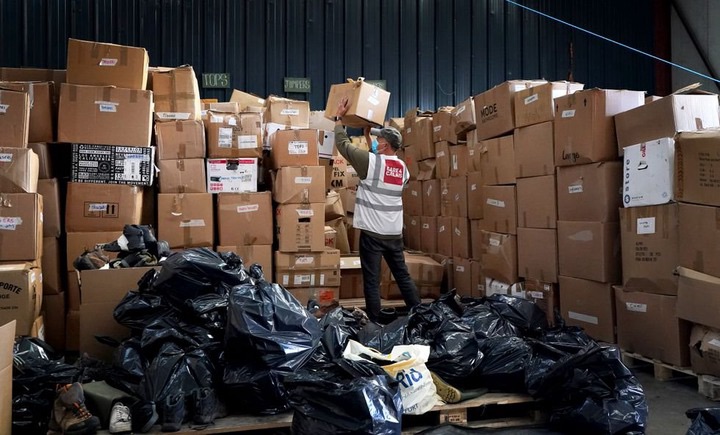
It also delivered 7,124 English lessons, carried out 467 clothing repairs and helped with 1,295 bicycle repairs. The charity says these services are designed to give people dignity, practical assistance and access to basic necessities while they are displaced or waiting for decisions about their future.
Care4Calais also worked at former military sites being used to accommodate asylum seekers in Britain. It reportedly organised 80 drop-in sessions and 17 large distribution events at these locations, handing out more than 23,000 items.
The organisation also gave welcome packs to approximately 1,800 newly arrived migrants on the south coast of England. These packs usually contain essential items that people may not have when they first arrive.
The scale of the support has attracted strong criticism. Former Scotland Yard detective Peter Bleksley said migrants were being helped throughout their journeys to Britain. He warned that the issue was increasing public anger, frustration and division in some communities.
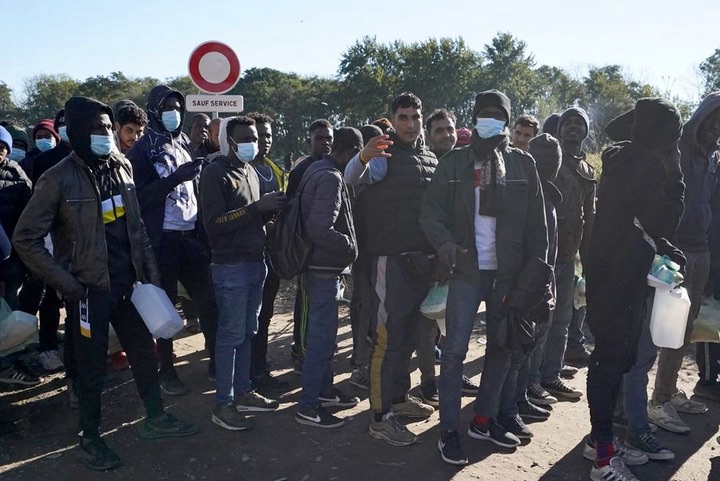
Former Armed Forces Minister Bill Rammell also expressed concern. He said many charity volunteers were probably well-meaning people who believed they were helping those in need. However, he argued that providing extensive support in camps around Calais could encourage more people to travel there and attempt to reach Britain, even when they may not have a valid asylum claim.
He said the current situation was not supported by much of the British public and could not continue indefinitely.
The figures have caused further debate because millions of people already living in Britain are struggling financially. Around 13.4 million people, representing the poorest fifth of the population, are said to be living in relative poverty after housing costs are considered.
This figure includes approximately four million children and 1.7 million pensioners. Relative poverty generally means living in a household whose income is below 60 per cent of the country’s average household income.
Critics question why charities and large companies are providing free goods and services to migrants while many British families cannot afford food, heating, clothing and other basic needs. They believe more help should be directed towards struggling communities across the UK.
However, supporters of Care4Calais argue that helping migrants does not prevent the Government or other organisations from supporting people in poverty. They say many asylum seekers arrive with very few belongings and are not normally allowed to work while their claims are being considered.
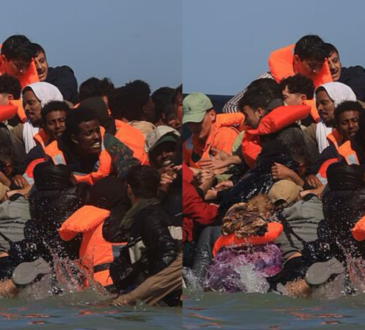
The charity’s report emerged as hundreds of migrants were reported to have crossed the English Channel after weather conditions improved. Strong winds and rough seas had previously stopped many small boats from leaving northern France.
One boat reportedly travelled across the Channel without being detected until it was only a few miles from the Kent coast. Border Force officers and rescue teams were then sent to deal with the situation.
The latest arrivals reportedly pushed the number of people who had crossed the Channel in small boats this year above 14,500. The continuing crossings have placed fresh pressure on the Government to stop dangerous journeys, tackle people-smuggling gangs and reduce the cost of accommodating asylum seekers.
Care4Calais says its work is based on compassion and protecting vulnerable people. Its critics, however, believe that some forms of support may unintentionally encourage more migrants to gather in northern France and attempt the dangerous journey to Britain.
GB News said it contacted Care4Calais and Vodafone for their responses to the concerns raised.