Border Officials Send a Stern Warning to Shabana Mahmood About the New Methods Illegal Boat Migrants Are Using to Reach the UK, Making It Even Harder to Stop Them

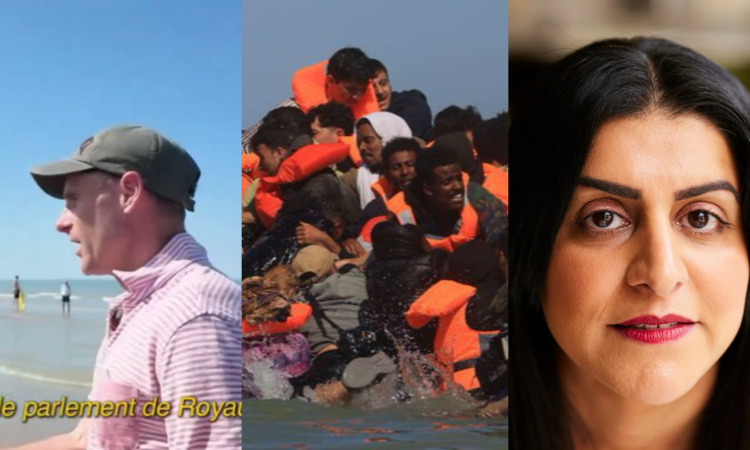
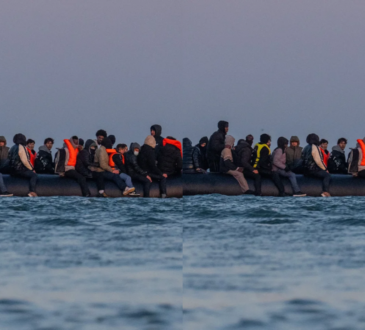
People-smuggling gangs are changing the way they operate across the English Channel, using larger boats, launching from new locations and becoming more aggressive, even as the Government believes France is becoming a less practical place for migrants to begin the dangerous journey to the UK.
New intelligence seen by the Daily Express says people smugglers are now making more than £300,000 from a single crossing by using so-called “mega dinghies” that can carry well over 100 people at a time. These overcrowded inflatable boats are being filled with record numbers of passengers, allowing criminal gangs to make huge amounts of money from every trip.
According to internal Home Office assessments, there is evidence that increased action by the French authorities has made it harder for smugglers to launch boats from their usual locations along the northern French coast. Officials believe that pressure from law enforcement has forced the gangs to change their methods rather than stop their activities altogether.
Frontline border officials also believe the situation has improved compared with 18 months ago. They say organised crime groups are under greater pressure because of increased arrests, more disrupted crossings and stronger cooperation between the UK and European law enforcement agencies.
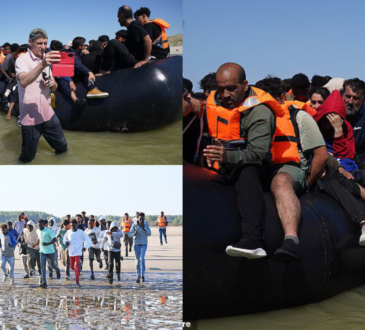
However, despite those claims, the gangs continue to adapt quickly. Home Secretary Shabana Mahmood has been warned that smugglers are now launching several boats at the same time in an effort to overwhelm French police and rescue services. Officials also say criminal groups have become more violent at departure points and are increasingly relying on “taxi boats” that collect migrants from beaches or shallow water before heading across the Channel.
These taxi boats are carrying more people than ever before. Last week, authorities detected a single inflatable boat carrying around 165 people, one of the largest numbers ever recorded on one crossing.
The criminal networks have also expanded their operations further south along the French coastline. Instead of relying mainly on beaches around Calais and Dunkirk, they are now regularly launching boats from areas including Dieppe, while another attempted crossing has also been detected from Fécamp. This wider launch area makes it harder for police and coastguards to monitor every departure.
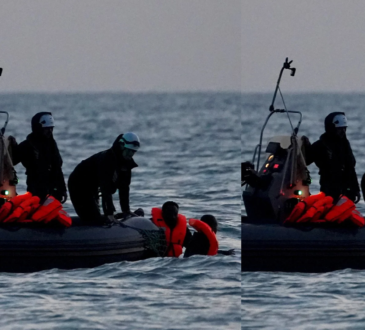
As a result, naval vessels are now regularly patrolling a stretch of around 70 miles of coastline between Dieppe and Le Touquet as authorities try to respond to the changing tactics being used by the smuggling gangs.
Officials believe these developments show that the criminal networks are expanding their operations because demand for crossings remains high despite increased enforcement efforts.
Dan Cannatella-Barcroft, deputy director at the National Crime Agency, said organised crime groups involved in Channel crossings are using increasingly dangerous and overcrowded boats while putting lives at greater risk simply to increase their profits.
He explained that many of the inflatable boats used in the crossings are specially manufactured in Europe or Asia for people-smuggling operations and have little or no legitimate commercial purpose. The boats and engines are transported across Europe before eventually reaching the French or Belgian coastline, where they are prepared for Channel crossings.
He also said joint operations involving European law enforcement agencies are making it harder and more expensive for organised crime groups to obtain boats and engines. According to the agency, the cost of equipment has risen, forcing smugglers to change the routes they use and find new ways to move supplies without being detected.
Border Security Commander Duncan Capps recently told the Home Secretary that the UK is now in a much stronger position than it was 18 months ago. He said that, as of June 2026, the number of migrants reaching the UK by small boats had fallen by 41% compared with the same period in 2025, making it the lowest total for this stage of the year since 2023.
Mr Capps said record numbers of disruptions, arrests and equipment seizures have increased pressure on organised crime groups, with the National Crime Agency leading more than 100 operations targeting smuggling networks. However, he also stressed that officials remain cautious because the gangs continue to adapt whenever enforcement measures become more effective.
Internal Home Office analysis suggests that consistent French interception efforts have prevented around one-third of attempted crossings in recent years. Officials believe this shows that law enforcement is making departures more difficult, even though large numbers of migrants continue trying to make the journey.
The assessment says that while criminal gangs have changed their tactics, including launching from different locations and using new methods, the continued level of interceptions suggests French authorities are still creating significant obstacles for the smuggling networks.
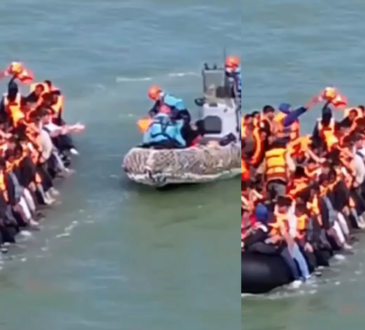
Not everyone agrees with the Government’s assessment. Reform UK chairman Zia Yusuf criticised the ongoing cooperation between Britain and France after footage appeared to show French officers handing life jackets to migrants preparing to cross the Channel. He argued that British taxpayers have already contributed hundreds of millions of pounds to France to help prevent illegal crossings, first under the previous Conservative government and now under Labour, and questioned whether the strategy is delivering the expected results.
He said his party believes a much tougher approach is needed and insisted they would stop the small boat crossings if they came to power.