
Asylum Seekers Who Were Deported Across the Channel Have Exposed a Serious Problem Officials Did Not Expect

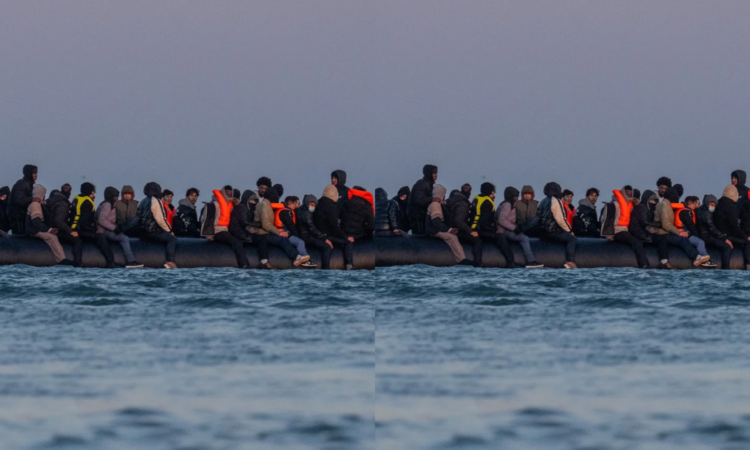
Dozens of small boat migrants who were sent back to France under the Government’s “one-in, one-out” agreement have reportedly returned to the UK.
Nearly 50 asylum seekers who were removed to France are known to have made their way back to Britain after the scheme came into effect in September. Officials fear the true number could be higher because some may have returned without being detected.
Home Office figures show that 1,087 people, representing about four per cent of small boat arrivals, were returned across the English Channel between August 4 last year and June 30 this year. During the same period, 27,920 people reached Britain in small boats.
Reports suggest some of those returned to France later re-entered Britain by hiding inside lorries. Others may have used different illegal routes to avoid being identified by border officials. This has raised serious questions about whether the agreement is strong enough to prevent people from repeatedly entering the country.
When Andy Burnham entered Downing Street, he promised to be “relentless” in tackling the small boats crisis. However, about 2,000 people reportedly crossed the Channel during his first two weeks in office.
During a visit to Dover, the Prime Minister insisted that the Government was making progress but accepted that much more work was still needed. He said the number of crossings had fallen by 50 per cent compared with the same period in 2025.
Burnham also said July recorded the lowest number of crossings for six years. However, he warned that the Government could not become complacent and said his visit to Dover was intended to help him understand what further action border officials believed was necessary.
He said: “The number of crossings is down by 50 per cent this year compared with the same period in 2025. July has been the lowest month for six years, so progress is clearly being made. But we are not complacent.”
The Prime Minister added that he wanted to listen to frontline teams and learn what additional measures could be introduced. He promised that the Government would continue pursuing people-smuggling gangs and strengthening Britain’s borders.
The challenge has become more complicated because smuggling networks are reportedly changing their methods to avoid British and French authorities. As enforcement increases in one area, the gangs often look for another route, including larger boats, lorries and other hidden methods of transport.
The return of previously deported migrants exposed a serious loophole in the “one-in, one-out” deal. Under the agreement, Britain can return some people who arrive illegally by small boat to France. In exchange, the UK accepts the same number of asylum seekers from France through an official and controlled route.
The scheme was designed to discourage dangerous Channel crossings by showing that paying a smuggler would not guarantee the right to remain in Britain. However, its effectiveness has been questioned because only a small proportion of arrivals have been returned.
Labour was reportedly forced to rewrite parts of the agreement after ministers discovered that it did not properly deal with migrants who returned to Britain after being removed. British and French officials have now agreed to amend the treaty to close the loophole.
The changes are expected to make it easier for authorities to take action against people who re-enter the UK illegally after being returned to France. Ministers hope this will stop migrants from treating removal as only a temporary setback before attempting the journey again.
Home Office sources confirmed that the agreement has been extended until October. It was originally due to expire at the end of June, but both countries agreed to continue it for another three months.
The extension covers the summer, when calmer seas and better weather usually lead to an increase in attempted Channel crossings. Ministers will later decide whether the agreement should become permanent.
However, critics argue that the scheme will have little effect unless the Government significantly increases the number of people being returned. They say sending back around four per cent of arrivals may not be enough to discourage migrants or weaken the business model of organised smuggling gangs.
The revelation that some deported migrants have already returned will add further pressure on the Government to prove that the agreement can deliver lasting results. It also leaves ministers facing difficult questions about how people who were officially removed managed to return and remain undetected.
Although Burnham says the number of crossings is falling, the Government still faces the difficult task of preventing repeat entries, closing alternative routes and ensuring that removal decisions are properly enforced.