Former Border Force Officer Sounds the Alarm Over a New Trick Criminal Gangs Are Using to Bring Illegal Migrants into Britain

A former Border Force officer has warned that staff can sometimes become overwhelmed because they do not always have enough workers or resources to check every traveller as closely as they would like.
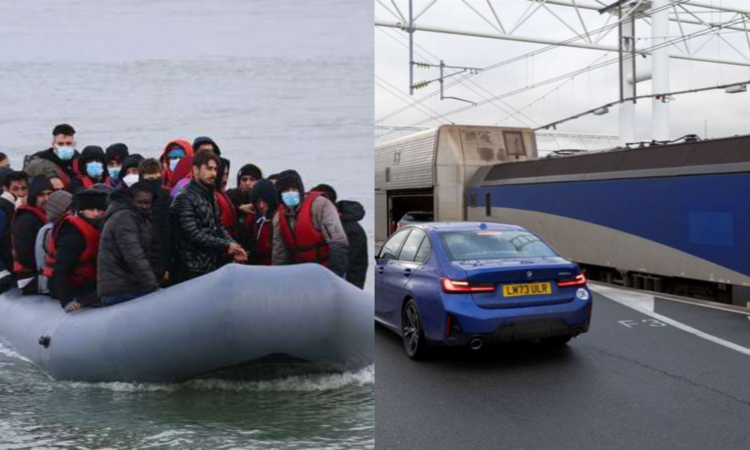
The warning comes after an investigation claimed that criminal gangs are smuggling people into Britain through the Channel Tunnel by hiding them in plain sight. Instead of placing them in the back of lorries or other hidden areas, traffickers are allegedly putting them in the front passenger seats of expensive cars and giving them false passports.
According to the investigation by Sky News, one Albanian trafficker claimed he could take a person through the Channel Tunnel and drive them directly to London in the passenger seat of a Range Rover worth around £100,000. The smuggler reportedly demanded £24,000 for the journey.
The claims have raised fresh questions about the strength of security checks at the Channel Tunnel between Calais in France and Folkestone in Britain. A Home Office source who works in immigration and asylum enforcement said it was not surprising that smuggling gangs were trying to use the route.
The source said immigration officials regularly deal with people who claim they entered Britain through the tunnel using false travel documents. Some allegedly said they handed the passports directly to Border Force officers and were still allowed to continue their journeys.
A former officer who worked for Border Force in Britain and other parts of Europe said staff often work under enormous pressure. Large numbers of cars and passengers pass through the crossing, particularly during busy travel periods, and officers are also expected to prevent queues from becoming too long.
The former officer said the pressure can sometimes become overwhelming. Although Border Force staff try to examine travellers carefully, there is always a risk that someone using false documents could pass through when the crossing is extremely busy.
They explained that officers might sometimes see people travelling in British-registered vehicles as less suspicious, especially if the car appears expensive and the occupants look calm and confident. Criminal gangs may use luxury vehicles because they believe the cars will attract less attention than vans, lorries or cheaper vehicles.
Passports and other travel documents are normally scanned at the border. Officers can also question passengers, search vehicles or carry out further checks if something appears suspicious. However, Border Force staff are involved in a continuous struggle with organised gangs that are always searching for new ways to defeat the security system.
Some people reportedly travel with genuine passports that have been stolen from someone who looks similar to them. Others are said to use high-quality forged passports designed to appear genuine when they are inspected.
The former officer claimed that attempts to enter Britain with false documents increased after the UK and Albania introduced a faster returns agreement. The deal made small-boat crossings less attractive to some Albanian nationals because they faced a greater possibility of being quickly returned to Albania.
The officer said that when authorities make one route more difficult, traffickers often move to another. Although small boats have received most of the political and media attention in recent years, the Channel Tunnel may still be used by people attempting to enter Britain illegally.
Border Security and Asylum Minister Anna Turley said the Government would examine the investigation’s findings. She accepted that organised criminal gangs constantly search for possible weaknesses in Britain’s border controls.
She described the fight against illegal entry as being similar to a game of “whack-a-mole.” When the authorities close one route or make it more difficult, the gangs quickly change their methods and try another route.
Ms Turley said the Government must ensure that there are no weaknesses in passport checks, vehicle inspections or the technology used at the Channel Tunnel. She said ministers would look carefully at the concerns raised by the investigation and consider whether border procedures needed to be reviewed.
However, she insisted that the Government was taking the issue seriously and remained in control of the situation. She said sophisticated criminal organisations would always attempt to test different parts of the border and look for places where they might avoid detection.
Ms Turley also said asylum applications from people who entered Britain illegally through the Channel Tunnel had fallen by 25 per cent. She added that the Government was investing more money in immigration enforcement and working more closely with other countries to return people who had no legal right to remain in Britain.
She pointed to the returns agreement with Albania and said more than 2,000 people had been sent back to the country during the previous year.
The investigation also highlighted the danger faced by people who pay criminal gangs to bring them into Britain. Some are unable to pay the full cost of the journey before travelling, leaving them with large debts to the smugglers.
There are concerns that gangs may then force these people to work in illegal businesses, including the drugs trade, to repay the money. Some may also be forced into other forms of exploitation because they fear violence against themselves or their families if they refuse.
Anti-slavery charity Unseen said the number of people coming to it for support had increased sharply since 2018. The charity said that 44 per cent of its cases last year involved some form of financial control.
Unseen’s deputy chief executive, Justine Carter, warned that traffickers can deliberately use debt to control and trap their victims. The amount owed may continue to rise because gangs add extra charges, meaning victims can work for months or years without ever being told that the debt has been fully repaid.
The Home Office said the number of people entering Britain illegally through the Channel Tunnel remained extremely small. It insisted that extensive checks and advanced technology were being used to protect the border.
Officials also said asylum claims involving people who entered illegally in cars or lorries had fallen by a quarter during the past year. The Home Office added that 70,000 people with no legal right to remain in Britain had been removed since the general election.