Sadiq Khan Humiliated as Major Error in His ULEZ Scheme Comes to Light, Leaving Thousands of Drivers Furious

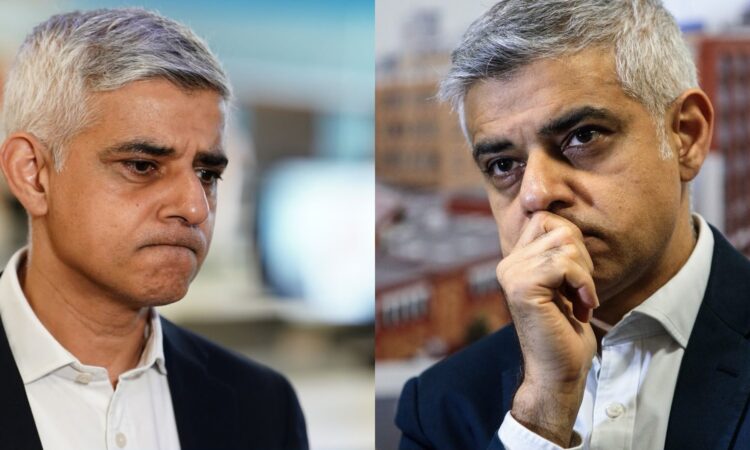
Thousands of drivers in London have reportedly been wrongly charged or fined under Sadiq Khan’s Ultra Low Emission Zone (ULEZ) scheme, even though their vehicles meet the required pollution standards.
The problem has raised serious questions about how the scheme is being managed, with some drivers paying charges they should never have received.
ULEZ was introduced in London in 2019 to reduce air pollution by charging drivers whose vehicles do not meet certain emission standards. However, new reports have revealed that technical problems and mistakes in the system have caused some drivers to be unfairly penalised.
Although more than 95% of vehicles travelling within the ULEZ area meet the required standards, some owners have still received unexpected charges and fines.
One major problem involves cars imported from other countries, especially Japan. Transport for London (TfL) mainly uses European emission standards to decide whether a vehicle must pay the charge.
This means some imported cars that meet the required pollution limits are not automatically recognised by the system.
For example, vehicles such as the Nissan Cube and Nissan Fairlady Z can meet the emission requirements but may still be treated as non-compliant because their details are not properly recorded in TfL’s database.
As a result, some owners have reportedly been paying ULEZ charges for years without realising their vehicles could qualify for an exemption from the daily charge.
The problem does not stop there.
Reports also suggest that more than 46,000 drivers were wrongly fined because of an IT problem involving TfL’s system.
Some London black cab drivers were also affected, despite their vehicles being exempt from ULEZ charges.
The revelations have led to criticism of London Mayor Sadiq Khan, with calls for drivers who were wrongly charged to receive their money back.
Conservative politician Sir James Cleverly, who is challenging Khan for the London mayoralty, has demanded that TfL refund affected motorists and make it easier for owners of imported vehicles to prove that their cars meet the rules.
He said drivers should not have to spend months dealing with paperwork simply to show that their vehicles are allowed to travel within the ULEZ area without paying.
Cleverly also accused Khan of putting too much financial pressure on motorists rather than focusing on improving London’s air quality.
He promised to review the charges introduced by City Hall if elected, arguing that some of them place an unfair burden on people who are already struggling financially.
Under the ULEZ rules, drivers of vehicles that do not meet the required emission standards must pay £12.50 for each day they drive within Greater London.
The charge applies 24 hours a day, seven days a week, including weekends and public holidays.
Drivers who fail to pay can receive a penalty charge of £180, reduced to £90 if paid within 14 days.
The scheme has also brought in a significant amount of money.
According to figures from the Greater London Authority, around £394 million had been collected through ULEZ by April 2025.
Supporters of the scheme argue that it has helped reduce harmful pollution and improve public health across London.
However, critics believe the charges have placed an additional financial burden on motorists, particularly those who cannot afford to replace older vehicles.
Khan has also faced criticism over how the benefits of ULEZ have been presented to the public.
The Advertising Standards Authority previously ruled that adverts suggesting ULEZ had almost halved nitrogen dioxide pollution levels were misleading because the figures relied on estimates rather than direct air quality measurements.
Meanwhile, TfL has defended its system for checking imported vehicles.
A spokesperson explained that cars manufactured for markets outside Europe are often tested under different emission rules.
Because of this, owners must provide official evidence from their vehicle manufacturer to prove that their cars meet the European standards required under ULEZ.
TfL said it has been working with Nissan UK to help customers obtain and submit the necessary documents.
However, the organisation explained that a vehicle can only be officially recognised as compliant from the date the correct evidence is provided.
This means motorists who have already paid charges before submitting their documents may face difficulties getting that money back.
The situation has left many questions about whether drivers who were wrongly charged will receive refunds and how TfL plans to prevent similar mistakes in the future.
For affected motorists, the biggest concern is that they may have spent hundreds or even thousands of pounds paying charges for vehicles that should not have been charged in the first place.
The controversy is likely to increase pressure on TfL and Sadiq Khan to explain what went wrong and ensure that drivers are treated fairly.