Hundreds of Brits Take Unexpected Action After Discovering That 1,256 Male Asylum Seekers Will Be Housed Near Their Town

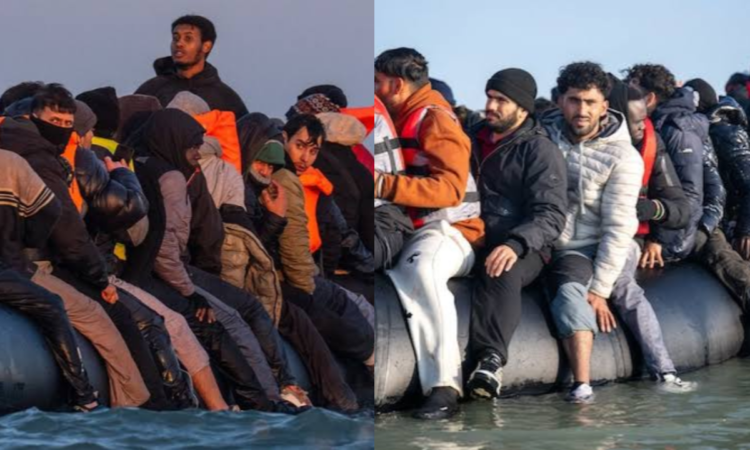
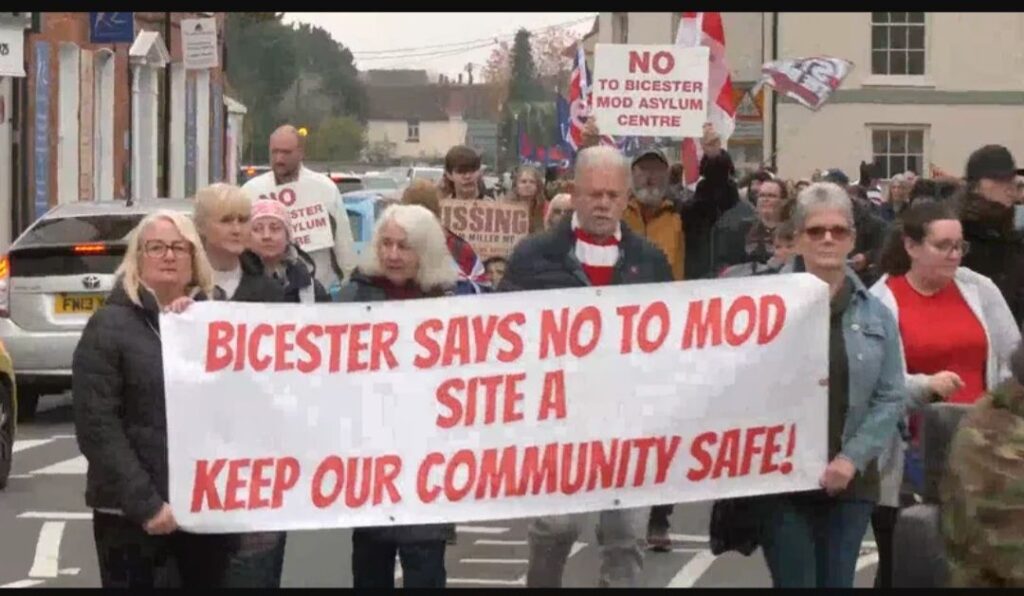
Hundreds of people have taken to the streets of Bicester in Oxfordshire to protest against Labour’s plans to house 1,256 male asylum seekers near their town.
The protesters marched through the streets carrying British flags, including the Union Jack and St George’s Cross. They also held a large banner with the name Bicester written on it, calling on the Government to cancel its plans.
The Home Office wants to turn a former military base, known as MoD Bicester, into accommodation for asylum seekers. The site is located close to the historic market town of Bicester and the small village of Piddington.
However, many local residents are unhappy about the decision. Some say they are worried about the safety of their families, while others believe the Government has failed to listen to their concerns.
Speaking to GB News during the protest, one resident, Bruce Skelton, said he was concerned about the number of people who would be moving into the area.
He claimed that some asylum seekers arrive in Britain without proper identification documents, making it difficult for authorities to know their backgrounds.
He also questioned why taxpayers should pay for their accommodation and other needs.
According to Mr Skelton, the issue is not simply about people refusing to welcome newcomers into their neighbourhood. He believes the Government should not be bringing them to the area in the first place.
Another protester who attracted attention was Phil Hawkes, who attended the demonstration dressed as Batman.
His unusual outfit had a special meaning. He explained that a rare species of bat had reportedly been discovered near Piddington, and he hoped environmental concerns could help stop the Government’s plans.
Mr Hawkes said he had lived in the area for many years and was worried that the town he knew could change.
He explained that his biggest concern was the safety of women and children, particularly young girls, mothers and his own daughters.
He said he was not personally afraid of people coming into the area, but he feared that local families might no longer feel as comfortable walking around their community.
Mr Hawkes also suggested that everyday life in Bicester could become very different within a year if the plans go ahead.
The protest also attracted people from outside Oxfordshire.
One of them was Simon Lane, who travelled from Crowborough in East Sussex to support residents of Bicester and Piddington.
Crowborough has experienced similar protests after plans were made to accommodate 540 asylum seekers at former military barracks near the town.
Mr Lane said he wanted to share his community’s experiences and warn Bicester residents about what they might face.
He strongly criticised the Home Office, claiming that officials had not been honest with people about the impact of asylum accommodation.
He urged residents not to accept everything the Government tells them without asking questions.
Mr Lane also claimed that asylum seekers staying near Crowborough regularly visit the town, where some gather in public places and drink alcohol.
He said there had been incidents that caused concern among residents, although he did not provide details of specific incidents in the report.
According to him, people living in Bicester should expect asylum seekers from the proposed centre to visit their town as well.
He argued that local people have every right to ask questions and raise concerns about the Government’s decision.
Despite the strong opposition, the Home Office has defended its plans.
A spokesperson said the Government is trying to spread asylum accommodation more fairly across different parts of the country rather than concentrating large numbers of people in certain areas.
The Home Office also said changes to asylum accommodation have helped save more than £1 billion since the election.
Officials explained that they work closely with local councils and police forces to protect the safety of people living near asylum accommodation sites.
The Government is also planning to close asylum hotels and move people into other types of accommodation, including former military bases.
According to the Home Office, these centres are designed to operate largely on their own, with security staff working around the clock and CCTV cameras monitoring the premises.
Officials say these measures are intended to reduce the impact on surrounding communities and address concerns about safety.
However, many protesters remain unconvinced.
They believe bringing more than 1,250 male asylum seekers to a site near their town could put additional pressure on the community and change the area they have known for years.
For now, the disagreement between residents and the Government continues, with protesters calling for the plans to be stopped while the Home Office insists that alternative accommodation is needed as part of its wider effort to end the use of asylum hotels.