Illegal Migrant Who Arrived in the UK Hidden in a Lorry and Gave Five Different Ages Won a Court Battle After a Judge Revealed Why He Should Be Treated as a Child

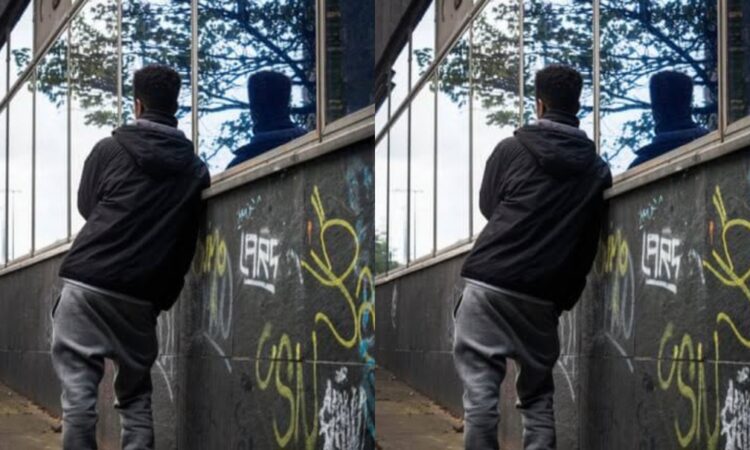
An Eritrean asylum seeker who arrived in the UK hidden in the back of a lorry has won a legal battle after a judge ruled that he should be treated as a child, despite immigration officials believing he was an adult.
The case has attracted widespread attention because of the unusual evidence presented during the hearing. The asylum seeker had a full beard and moustache, something Home Office staff argued strongly suggested he was well over the age of 18. However, the judge ruled that his facial hair alone was not enough to prove he was an adult.
The migrant, who has been identified only as BSB, says he was born in April 2007. When he arrived in the UK in March 2024, he claimed he was just 16 years and 11 months old. He is now officially recognised as being 19 years old while his asylum claim continues.
The Home Office’s National Age Assessment Board carried out an age assessment and concluded that he was an adult. Officials decided he was not entitled to the extra legal protections and support that are given to children seeking asylum. The migrant challenged that decision through the courts by asking for a judicial review.
During the case, it emerged that he had given several different names and five different dates of birth after arriving in Britain. Those dates ranged from 1996 to 2007, creating significant doubts about his true age. Border Force officers also questioned his claims, with two officers believing he was around 28 years old.
Two experienced social workers who assessed him separately estimated that he was likely between 22 and 25 years old based on his appearance and behaviour. Home Office officials also pointed to what they described as his mature physical appearance, including his beard, moustache and Adam’s apple, arguing these were signs that he was significantly older than he claimed.
However, Upper Tribunal Judge Gaenor Bruce rejected those arguments after hearing all the evidence. The judge said she had seen the applicant’s “healthy beard” but accepted his explanation that he had regularly shaved while living in Libya because he believed it would encourage thicker facial hair. According to the ruling, that effort appeared to have worked, and the judge did not believe the beard proved he was an adult.
The court also heard that the migrant appeared to take pride in his beard, even using social media profile pictures showing himself with facial hair while the age assessment process was ongoing. Despite this, the judge concluded that this did not establish his age.
Judge Bruce also rejected suggestions that the asylum seeker had a receding hairline or deep facial lines that would indicate he was much older. She found there was not enough evidence to support those claims.
The migrant admitted he had lied about parts of his journey to Britain. He told the court he had been under pressure from smugglers and older migrants travelling with him and had been frightened during the journey. The judge accepted that explanation, saying it did not automatically mean he had lied about his date of birth.
The ruling also noted that officials who spent time assessing him had formed a generally positive impression of his behaviour and character throughout the process.
After considering all the evidence, Judge Bruce ruled that this was a marginal case. She said that in situations where there is genuine uncertainty over a young person’s age, the benefit of the doubt should be given to the individual. On that basis, she concluded that, on the balance of probabilities, the asylum seeker was telling the truth about being born in April 2007.
Because the Home Office failed to prove that he was an adult, the court ordered the Home Secretary to contribute £10,000 towards the migrant’s legal costs. Reports suggest the government is now considering whether to appeal the ruling.
The Home Office has defended its approach, saying age assessments remain an important part of protecting the UK’s borders and ensuring that adults do not wrongly receive the benefits intended for children. A spokesperson said the government is exploring the use of advanced artificial intelligence technology to help verify the ages of migrants more accurately in future.
The spokesperson also said the government remains committed to removing people who have no legal right to remain in the UK, adding that nearly 70,000 people have been returned since it came into office.
The Eritrean man is continuing with his application for asylum while the case has reignited debate over how Britain determines the ages of migrants who arrive without reliable identity documents. Critics argue the current system can be difficult and open to dispute, while supporters of the ruling say age assessments should not rely too heavily on physical appearance alone.