“I’m a Child” – Asylum Seeker Cries Out for Help After the Home Office Gave Him an Age He Says Is Wrong

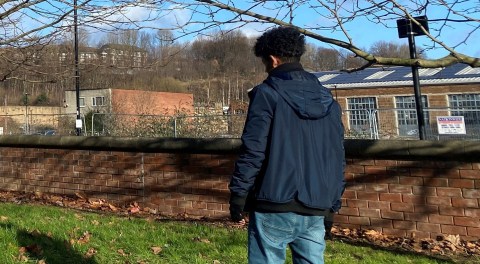
Faisal, whose name has been changed to protect his identity, says he is just 16 years old, but claims the Home Office wrongly decided that he is 26. Because of that decision, he says he has been placed in accommodation with adult asylum seekers instead of being cared for as a child.
He says one of the hardest moments came when he arrived at his room and found an older man already living there. The two could not even speak the same language, yet they were expected to share the same space. Faisal says living with adults has left him frightened and constantly worried. He says there are days when the stress becomes so overwhelming that he hides under his blanket and cries because he feels completely alone.
Faisal says he misses his mother every day and has never felt so lost. He comes from Eritrea, where he says he enjoyed a normal childhood, spending time with friends and going to school. However, everything changed when he was around 14 years old. He says he began seeing adults from his community being forced into military service, with some returning badly injured while others never came back. Many families also fled to refugee camps as violence spread.
According to Faisal, life in Eritrea became too dangerous because of the conflict near his hometown. He says there are no free elections, people have very few freedoms, and young people can be forced into military service before they even finish school.
He claims those who refuse can end up in prison. Believing he had no future there, he decided to leave his home and search for safety, even though it meant leaving his mother, relatives and friends behind.
He says the journey out of Eritrea was long, difficult and dangerous. Like many young people fleeing the country, he says he travelled without official documents and secretly crossed the border into Sudan. From there he continued through Libya before eventually reaching France. Much of the journey was made on foot, while other parts were spent hiding in trucks or travelling by boat.
The journey lasted more than a year. Faisal says he was fortunate to meet kind people along the way who realised he was travelling alone as a child. He says they gave him food, helped him survive and assisted him in continuing his journey towards Europe.
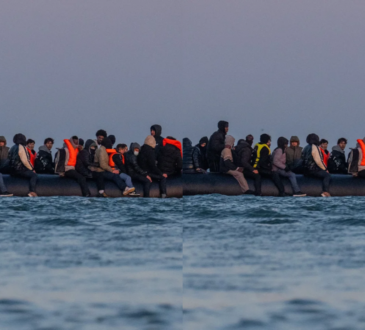
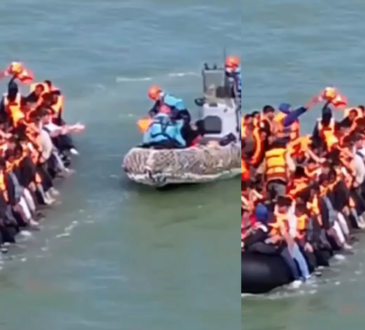
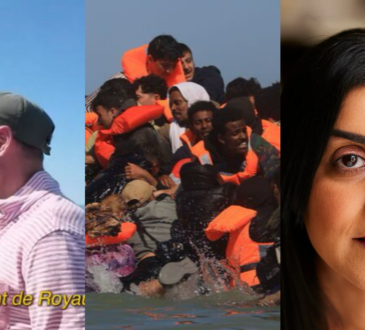
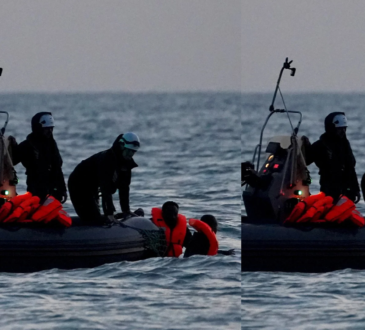
After reaching northern France, he travelled to Dunkirk, where he prepared for the small boat crossing to the UK. Faisal describes the crossing as one of the most terrifying experiences of his life. He says everyone on board was soaked by the sea, the boat smelled strongly of petrol, and many feared they would drown before reaching land.
When the boat finally arrived in Dover, he says he felt enormous relief and happiness because he believed he had escaped death. However, he was also completely exhausted after everything he had gone through.
After arriving in Britain, Faisal says he was taken by police to be interviewed by Home Office officials. During the process, he says he honestly told them he was 16 years old. At first, he says he was placed with other young people who were believed to be under 18 and was even given a wristband showing he was a child.
However, things changed when he was interviewed. Faisal says there was no interpreter available who spoke Tigrinya, his native language. Instead, he says he was given an Arabic interpreter whose dialect he struggled to understand. Because he was exhausted from the journey and unable to properly communicate, he says he found the interview confusing and could not fully understand many of the questions.
After the interview, Faisal says officials removed the wristband identifying him as a child and handed him paperwork saying he was over 20 years old. He claims they eventually recorded his age as 26 without explaining how they had reached that conclusion.
He says he was shocked and struggled to understand why they had made such a decision. He believes everything happened so quickly that he had no real opportunity to challenge it or explain himself properly.
Faisal was then sent to asylum accommodation in South Yorkshire. When he entered his room, he says he discovered he would be sharing it with an adult man. After complaining to staff, he was temporarily given his own room, but only for a few weeks. Eventually, another adult was moved into the room with him again.
He says living in the hotel has been extremely difficult. According to Faisal, the building is crowded, many residents smoke, and being surrounded by much older adults leaves him feeling unsafe and constantly anxious. He also says there is very little to do during the day and that the isolation has affected his mental health.
Faisal says the Refugee Council later visited the hotel, where he explained that he believed his age had been wrongly assessed. He says the organisation arranged for a lawyer to help challenge the decision, but after several months he claims there has still been no progress in correcting his age.
He says he often thinks about his family back in Eritrea and worries constantly about their safety. Staying in touch with them is difficult, leaving him unsure whether they are alive or safe.
More than anything, Faisal says he wants the chance to live like other teenagers. He hopes to return to school, learn English, make friends and continue his education. He says seeing other young asylum seekers whose ages have been accepted only makes him feel more upset because they are able to attend school and receive support from social workers, while he believes he has been denied those opportunities.
Faisal says he cannot accept the age that has been recorded for him because he believes it does not reflect who he really is. He says having his identity changed in official records has made him feel as though a part of himself has been taken away.
He also says having nothing meaningful to do each day has made his mental health even worse. Despite trying for several months to have his age corrected through legal channels, he says he is still waiting for a decision.
Looking to the future, Faisal says he dreams of becoming a professional footballer. If that does not happen, he says he would be happy working as a barber or building a career in information technology.
He hopes that by sharing his story, other young asylum seekers who arrive in the UK will not experience the same difficulties. Above all, he wants children seeking safety to have their ages assessed fairly and accurately so they receive the support they need.
The Refugee Council has said that hundreds of child refugees arriving in the UK are wrongly assessed as adults each year, which can result in them being placed in adult accommodation or detention where they may face greater risks of abuse, exploitation or neglect.