A Syrian Man Wanted by Police in Romania Was Found Living in the UK, but Authorities Were Stunned by What They Discovered He Had Been Doing in the Country

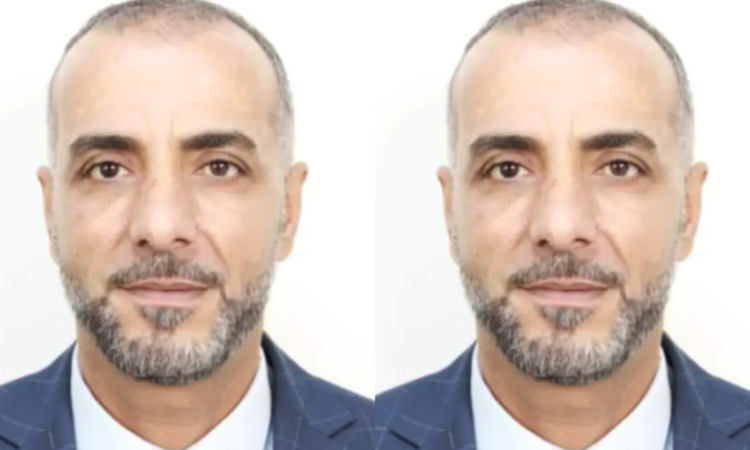
A Syrian man who was wanted in Romania for attempted murder was found living in a council house in the UK while his family was receiving up to £2,000 a month in state benefits, according to details revealed during court proceedings.
Mohamad Agha, 51, had been sentenced to four years in prison in Romania after being convicted of attempting to murder another man during a violent argument over parking. Despite the conviction, he left the country before the case ended and later lived in Britain for several years before finally being extradited.
The case heard at Westminster Magistrates’ Court revealed that the attack happened on August 26, 2020, in the Romanian town of Bucium. Prosecutors said Agha became involved in a dispute with another driver after a car was parked near his home. During the confrontation, he allegedly struck the victim in the head with the handle of a pick axe.
The victim, Galea Andrei Calin, was knocked unconscious and suffered serious head injuries. He needed 25 days of hospital treatment to recover from the attack. Romanian authorities charged Agha with attempted murder, and although he attended part of the trial, he failed to appear for the final hearings after leaving the country.
The Romanian court went ahead with the case in his absence, found him guilty, and sentenced him to four years in prison. Agha later challenged the conviction while living in Britain, but his appeal was rejected in March 2023. After that, Romanian authorities issued a European Arrest Warrant to have him returned.
Court documents showed that Agha had lived in several European countries after leaving Syria, including Germany, the Netherlands, Belgium and Romania. He met his Romanian wife in 2017, and the couple later moved to the UK. They married in Britain in 2020 and have two young daughters who were both born in the UK.
During his extradition hearing, Agha told the court that he had been granted five years’ leave to remain by the Home Office. However, the hearing did not reveal exactly when the permission was granted, why it was approved, or when it would expire.
The court heard that Agha had previously worked as a lorry driver in Newport while living with his family in Cardiff. He claimed he suffered a serious back injury after slipping on ice in 2023 and was later unable to continue working. As a result, he began receiving disability-related support.
His wife, Ramona, told the court that the family depended on Universal Credit and other state support to survive. She said their monthly income from benefits was between £1,600 and £2,000. She also explained that before Agha was arrested, he received around £500 every month through Personal Independence Payment (PIP) because of his disability.
She said they had moved to Britain hoping to build a better future for their family because they struggled financially in Romania. She described their situation as difficult and said they were finding it hard to cope after her husband was taken into custody.
Agha argued that he should not be extradited because sending him back to Romania would have a serious impact on his wife and young children. He also claimed he had missed the final court hearing in Romania because he believed the judge had treated him unfairly.
District Judge John Zani acknowledged that the extradition would cause hardship for the family but said that was not enough to stop the legal process. The judge noted that the allegations against Agha were extremely serious and said the public interest in returning him to Romania outweighed the impact on his family.
The judge also noted that Agha had been living with his wife and children in council accommodation before his arrest and referred to the level of financial support the family was receiving from the UK benefits system.
Although Romanian authorities had been searching for him for some time, Agha was not arrested by the National Crime Agency’s extradition unit until April 10, 2025. The legal battle over his extradition continued for more than a year before the High Court refused him permission to appeal.
Following that decision, Agha was finally extradited to Romania on July 30, where he is expected to serve his four-year prison sentence for attempted murder.