
An Iranian migrant who was sent back to France under the UK’s new “one in, one out” migration agreement has crossed the English Channel again and returned to Britain. He is now being held in immigration detention, raising fresh questions about whether the new deal is working as planned. His case also comes at a time when France appears to be changing its approach to stopping small boat crossings.
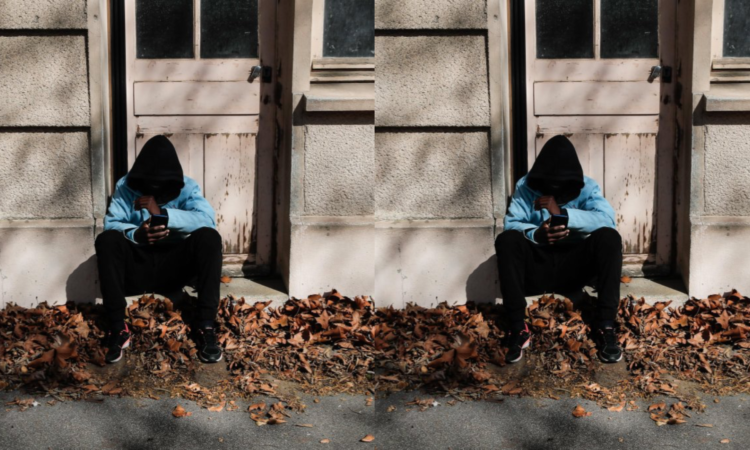
The Iranian man said he was sent back to France as part of the agreement between the UK and French governments. However, he claimed he was too frightened to remain there because he was allegedly targeted by people smugglers. He said he was forced to work against his will, abused, and even threatened with a gun before he first crossed the Channel to Britain. Feeling unsafe, he decided to risk another dangerous journey across the sea.
Human rights campaigners say his experience is not unique. Maddie Harris, founder of the Humans for Rights Network, said her organisation has been speaking with migrants who were returned to France under the scheme. According to her, many have described facing violence, exploitation and intimidation from smugglers after being sent back. She said several migrants told her they were shocked to find themselves returned to a country where they no longer felt safe.
The group is continuing to monitor people who have been removed under the agreement and says many are struggling. Harris claimed some asylum seekers in France have been left homeless and are living on the streets while waiting for decisions on their cases.
The man’s return has added to political pressure on the Labour government as the number of migrants arriving in small boats continues to rise. This year’s crossings have already passed last year’s total, leading critics to question whether the returns scheme is preventing illegal crossings or simply encouraging people to make repeated attempts.
At the same time, there are signs that cooperation between Britain and France is becoming more difficult. Reports suggest French authorities are stepping back from plans that would have allowed patrol boats to intercept overcrowded migrant boats at sea and tow them back to shore.
According to reports, officials in France now believe the proposed policy has been delayed because of political changes and concerns over safety. A French police union representative said officers are still working under the same rules as before and that no new measures have been introduced.
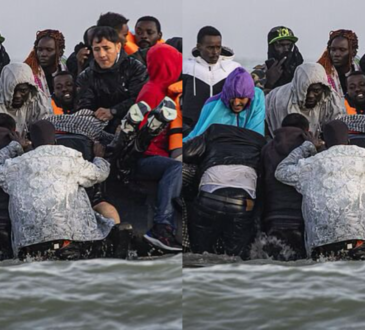
Meanwhile, small boats continue leaving the French coast almost every day. Residents near Dunkirk have reported seeing several boats departing in a single day while police officers watched without stopping them. Volunteer rescue crews say they often escort boats towards British waters rather than force them to return because migrants cannot legally be made to accept rescue if they refuse assistance.
Rescue workers also described dangerous situations involving people smugglers. They said smugglers have allegedly threatened volunteers with knives and even threatened to throw babies into the sea if anyone tried to stop the boats.
The Home Office recently confirmed that 16 migrants were returned to France on one flight, bringing the total number sent back under the scheme to 42. So far, 23 asylum seekers have been transferred from France to the UK under the same agreement. Officials have also confirmed that at least one person who was returned to France has already managed to cross back into Britain.
Some migrants returned to France have later been told that their fingerprints were previously recorded in another European Union country. Under European asylum rules, that country may become responsible for processing their asylum claim instead of France.
The Home Office said it will continue removing anyone who returns illegally after being sent back. A spokesperson said the government will not tolerate abuse of Britain’s borders and will take action against people who do not have the legal right to remain in the country.
Labour ministers have continued to blame organised criminal gangs for the growing number of small boat crossings. They argue that people smugglers are exploiting vulnerable migrants and creating serious problems at the border. Home Secretary Shabana Mahmood recently described the crossings as “utterly unacceptable” and accused smuggling gangs of causing chaos.
Human rights groups disagree with the government’s approach. Maddie Harris argued that the returns scheme is unlikely to stop migrants from trying again. Instead, she believes it will push desperate people into making even more dangerous journeys, increasing the risk of serious injury or death. She said many migrants have no safe legal route to claim asylum in Britain and therefore continue risking their lives at sea.
She also raised concerns about migrants who may have been victims of trafficking or other forms of abuse. According to Harris, some vulnerable people are being detained and removed before their experiences have been fully investigated. She said access to legal advice inside immigration detention is limited and that trafficking claims are sometimes rejected after rushed interviews.
Experts say the Iranian man’s case highlights the challenges facing the UK’s new migration agreement with France. While the policy is designed to break the business model of people smugglers, critics argue it may instead encourage repeated crossings by migrants who believe they have no other option.
France has rejected claims that people returned there are being treated badly. French officials insist returnees are given accommodation while their asylum claims are considered. They also say migrants who decide to return voluntarily to their home countries are offered support through special return centres.
As political debate continues on both sides of the Channel, the Iranian man’s case has become a symbol of the wider arguments over migration policy. Supporters believe the agreement is an important step towards stronger border control, while critics argue it risks sending vulnerable people back into dangerous situations without solving the problem of illegal crossings.