Heartbroken Children Write Emotional Letters to Andy Burnhamas as Their Quiet Village Faces a Massive Asylum Centre Plan


Heartbreaking letters written by young children in a small Oxfordshire village have been sent to Prime Minister Andy Burnham, asking him to protect their future as plans move forward to house 1,250 male asylum seekers at a nearby former Ministry of Defence (MoD) site.
The village of Piddington is home to about 250 adults and just 46 children. Many residents say they are deeply worried about the government’s proposal, which would bring a large number of single adult men to a site just outside the village. Local people believe the decision has been made without properly listening to their concerns.
The planned accommodation would be located very close to family homes, a children’s playground, and playing fields. According to the proposal, the asylum seekers would be free to leave the site after signing in and out. Many parents say they fear this could change village life forever and make children feel less safe.

Instead of politicians speaking out, it is now the village’s children who are making their voices heard. They have written personal letters to the Prime Minister, hoping he will listen to them after their parents feel their own concerns have gone unheard.
One of the most emotional letters came from seven-year-old Rex. He explained that he regularly walks through the village to visit the grave of his younger sister, Nancy, who died as a baby in 2017. Rex wrote that he is worried he may no longer feel able to make those visits if the plans go ahead. His simple words have touched many people in the community.

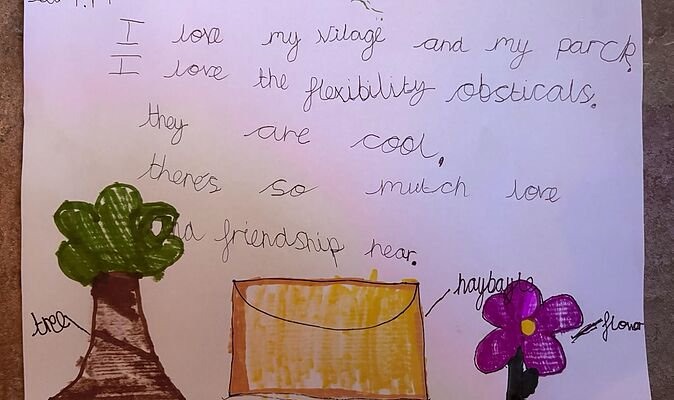
Other children also shared their worries. Nine-year-old Orla wrote that she does not like the proposal because she loves the village park where families spend time together. Six-year-old Constance said Piddington is the best place to live and that she enjoys watching people walk their dogs there. Eleven-year-old Tilly said she fears she will lose the freedom to visit the park, ride her bike, and enjoy the outdoors as she grows older. Seven-year-old Edith described the village as a place full of love and friendship.
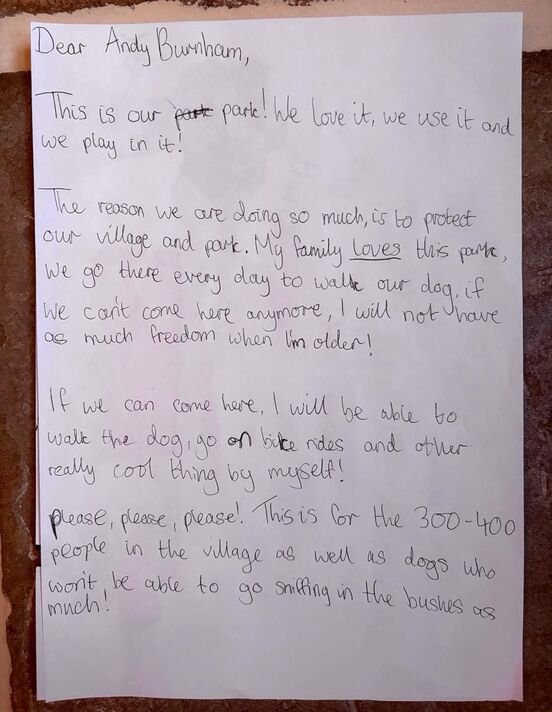
Rex’s mother, Gina Perkin, said her son’s letter came straight from his heart. She explained that Nancy remains an important part of their family and that her children often ask to visit their sister’s grave. She said she worries the government plans could completely change the peaceful way of life they have always known. Gina appealed to Andy Burnham not only as Prime Minister but also as a father, asking him to think about how he would protect his own children if faced with the same situation.
Gina said the children deserve to feel safe and secure in their own village. She believes their future should matter just as much as any government policy and hopes ministers will finally listen now that the concerns are coming directly from local children.
Her mother, Mandy Bayliss, who has lived in the area for decades, said she remembered spending entire days playing outside as a child without fear. She worries her grandchildren may never enjoy that same freedom if the plans move ahead. She also fears that generations of family history and the close community spirit that has defined the village could slowly disappear.
Another local parent, Matt Walker, said he and his wife chose Piddington because they believed it was the perfect place to raise a family. He fears his daughters will no longer have the independence to cycle to the park or meet friends on their own if the accommodation centre is built nearby. He said no parent should ever have to take risks with their children’s safety.
The proposal for Piddington is part of wider government plans to use former military sites to house asylum seekers instead of relying on hotels. Officials say the policy has already reduced the number of asylum seekers staying in hotels and lowered costs.
A spokesperson for Number 10 said the government would consider the issues raised in the children’s letters and investigate the concerns, while insisting that local communities remain central to its immigration reforms.