Home Office Reveals The Reason Why No Illegal Migrant Boat Has Entered The UK For Seven Days Despite Calm Weather

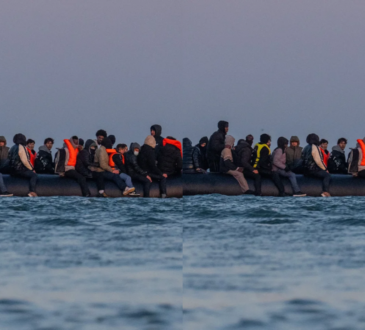
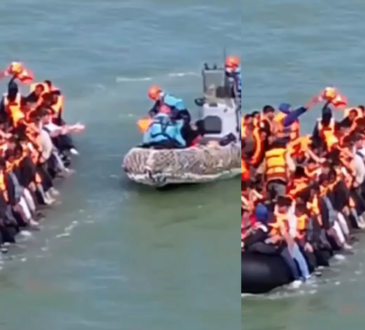
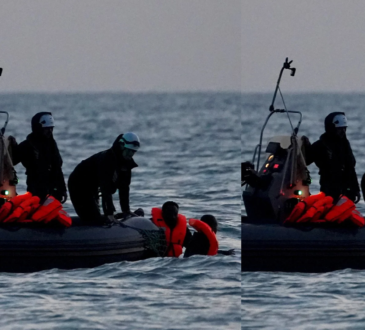
Despite calm weather in the English Channel, no small boats carrying migrants arrived in the UK for seven days, according to the latest Home Office figures. Between July 13 and July 20, there were no recorded crossings, even though the weather was good enough for the journey.
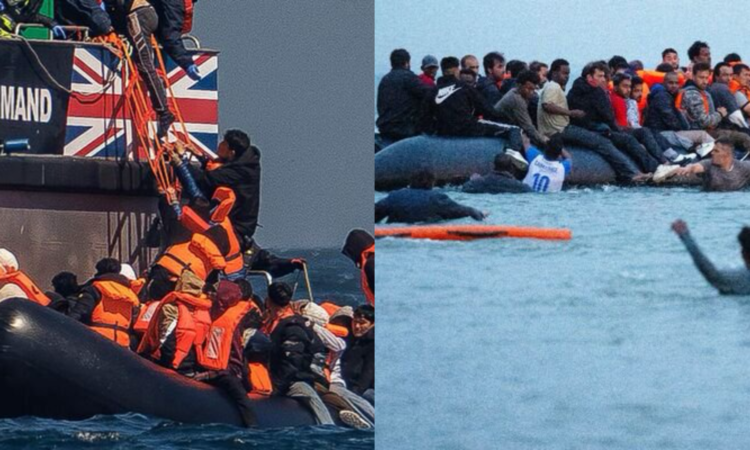
During the whole month, 555 people crossed the Channel in eight small boats. On July 10, one boat carried 128 people, the highest number ever recorded on a single vessel. Normally, around 60 people travel in each boat, making this crossing unusually crowded.
The recent drop in crossings has raised questions about what may have caused it. One possible reason is the UK’s new agreement with France. In April, the UK Government agreed to provide France with £662 million over three years, from 2026 to 2029, to help stop illegal crossings. The money is being used to strengthen security along the northern French coast and introduce new ways to stop migrant boats from leaving.
As part of the agreement, France has created a new specialist riot police unit made up of around 50 specially trained officers. Their job is to stop migrants from boarding boats, especially in situations where groups become difficult or violent.
French authorities are also using drones and helicopters to watch beaches where migrants often gather before trying to cross. Another 30 maritime officers have been added, along with a new patrol boat, to stop the smaller “taxi boats” used by smugglers to take migrants from the beach to larger boats waiting offshore.
The Home Office said there has also been a 40% increase in law enforcement, intelligence, and military officers working together to stop migrants from getting into the boats before they leave France.
There are signs that these measures may be having an effect. In May, French authorities seized 53 small boats before they could be used, although another 29 boats still managed to reach the UK.
A Home Office spokesperson said the Government is increasing efforts to stop illegal Channel crossings. The spokesperson said the new agreement with France is helping strengthen enforcement on beaches and crack down on people-smuggling gangs.
The spokesperson added that joint work between the UK and France has stopped more than 45,000 attempted crossings since the election. They also said almost 70,000 people who were in the UK illegally have been removed or deported, which is 41% higher than before. According to the Home Office, the Government wants to reduce the reasons that encourage people to enter the UK illegally.
In previous years, French police were often criticised for standing by while boats carrying migrants left the beaches for Britain. Some French politicians also argued that the migrant crisis was mainly Britain’s responsibility, with one mayor in Calais describing the UK as a “soft touch” and a former French interior minister calling it an “English issue.”
By the end of 2025, officials had recorded 46,497 illegal entries into the UK, with 89% arriving by small boats crossing the Channel from France and other nearby European countries. However, the number of crossings has fallen during the first half of this year.
From January to June this year, just over 11,800 people crossed the Channel in small boats, compared with a record 19,000 during the same period in 2025. Those making the journey this year include people from Afghanistan, Eritrea, Iran, Iraq, Syria and Vietnam.
Although around 2,000 migrants, most of them men, usually arrive every month, the sudden pause in crossings has surprised many people.
Weather experts do not believe the weather explains the drop. Jim Dale from British Weather Services said conditions across the Channel had been calm for several weeks, with good visibility and gentle seas. These are normally the conditions when the highest number of crossings take place. He said he could not see any weather-related reason for the sudden fall in numbers.
Reform UK has regularly called for stronger border controls and measures to stop illegal migration. When asked about the lack of crossings during the past week, a party spokesperson said Reform would not comment.
Conservative Shadow Home Secretary Chris Philp said one week without crossings should not be seen as proof that the problem has been solved. He argued that the recent slowdown was more likely linked to sea conditions than to Government policies, while also criticising Labour’s approach to immigration.
Another possible reason for the recent slowdown is the work of the National Crime Agency (NCA), which has increased its operations against people-smuggling gangs.
In May, the NCA worked with police in Germany to seize more than 30 boats and engines, 360 pumps and over 9,000 life jackets that investigators believe were intended for use in Channel smuggling operations. In June, another joint operation with Bulgarian authorities led to the seizure of 25 more boats believed to be destined for migrant crossings.
On July 7, officers also arrested a 42-year-old Iraqi man in Kent on suspicion of being part of an organised crime group involved in smuggling migrants across the Channel.
The NCA said tackling organised immigration crime remains one of its highest priorities. The agency said it is investing more resources than ever into identifying, disrupting and dismantling the criminal gangs responsible for the crossings.
Officials said they are now targeting these networks not only in the UK but also in countries such as Iraq and Libya, where many of the gangs are based. According to the NCA, it is currently carrying out around 100 investigations into the most serious organised immigration crime groups linked to migrant smuggling.