Muslim Community Reveals Why They Will Not Cancel Their Huge Gathering of About 50,000 People Despite Growing Threats in the UK

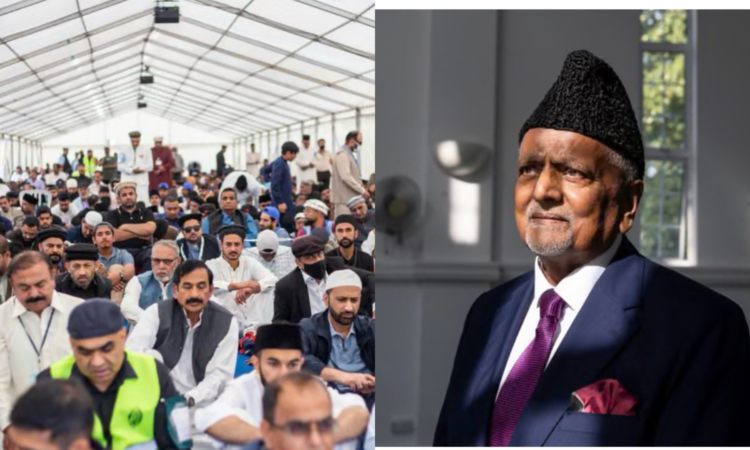
Security has been stepped up at Jalsa Salana, the UK’s biggest Muslim convention, with several hundred extra staff working alongside police, emergency services, and local authorities to keep everyone safe. The increased security comes as concerns grow over rising anti-Muslim hatred across the country.
Just last month, another large Islamic event had to end early after police arrested 12 people. Three of those arrested were suspected of being involved in a far-right plot to commit murder, raising concerns about the safety of similar events.
Despite these threats, the organisers of Jalsa Salana said they never considered cancelling the gathering. Rafiq Hayat, the head of the UK Ahmadiyya Muslim Community, said there was never a moment when they thought about calling it off.
Now celebrating its 60th year, Jalsa Salana is expected to welcome around 50,000 people from more than 100 countries to its large temporary site in Hampshire. The event began on Friday with prayers, speeches, and the raising of the Union Jack. The community’s worldwide leader, Hazrat Mirza Masroor Ahmad, addressed the crowd, while politicians, church leaders, and other public figures are also expected to attend during the weekend.
Hayat said the Ahmadiyya Muslim Community has faced hostility for many years but has always chosen to respond peacefully. The community has been in Britain since 1913 and built one of London’s first purpose-built mosques in 1926.
Having lived in London since 1967, Hayat said he has seen many different anti-immigration and far-right movements over the years, including the skinhead movement, Enoch Powell’s famous “Rivers of Blood” speech, and the rise of the British National Party.
He remembered that during the construction of the community’s mosque in Morden in the 1990s, hundreds of British National Party supporters protested against the project. Instead of responding with anger, the community reached out to local churches, councils, police, and residents to build stronger relationships.
The community created a local liaison group and invited representatives from different backgrounds to meet every month at the mosque. Hayat admitted the first meetings were tense and full of disagreements, but over time trust grew. Today, he said, local organisations work closely with the mosque and include the community in important discussions.
Hayat believes this approach is one of the best ways to deal with today’s increase in anti-Muslim hatred. Recent figures show that a mosque in Britain is attacked about once every five days, while anti-Muslim hate crimes in England and Wales increased by 19% in the year leading up to March 2025.
He said the Ahmadiyya Muslim Community has spent decades bringing together people of different faiths, cultures, and backgrounds. He also said the founder of the Ahmadiyya movement taught that Muslims should be loyal to the country they live in and contribute positively to society.
However, Hayat explained that the community has not only faced threats from the far right. Ahmadis have also experienced persecution from some extremist Muslims, particularly in Pakistan and sometimes in Britain.
He pointed to the 2016 murder of Asad Shah, an Ahmadi Muslim shopkeeper in Glasgow, who was killed by another Muslim in what police described as a religiously motivated attack.
Hayat said that while many Muslims are close friends and support the Ahmadiyya community, there are some extremists who continue to spread hatred. Even so, he said many Muslims who are not Ahmadi still attend their events. He noted that during a recent large iftar gathering, around 60% of the young Muslims attending were from outside the Ahmadiyya community.
Rather than hiding from threats, Hayat believes Muslims should become more involved in public life. He said parents should encourage their children not to feel ashamed of being Muslim in Britain and urged the wider Muslim community to engage more with people from different backgrounds to break down misunderstandings about Islam.
Although he acknowledged that online abuse and attacks on mosques remain serious problems, he believes personal conversations are still the most powerful way to reduce fear and build trust.
He shared the story of a woman who admitted she was so nervous about visiting the mosque that she sent her live location to her husband and told him to come and find her if she failed to check in every 15 minutes. After spending time with members of the community, she left with a completely different impression and later said she wanted to return with her family.
Hayat said that once people meet each other face to face, they stop focusing on differences such as race or religion and begin to see the person behind them. He believes that understanding one another as human beings is the key to living together peacefully.