“We Are Dying Little by Little Here”Asylum-Seeking Families Speak Out After a Decision They Say Has Left Them Suffering

Families seeking asylum in the UK say they are suffering after being forced to leave their hotel accommodation with very little warning as the government continues its plan to shut down asylum hotels across the country. Some have now launched legal action against the Home Office, arguing that officials failed to properly consider their medical needs and personal circumstances before moving them.
One of those affected is Huda, a 41-year-old woman from Tunisia who fled her home after receiving death threats from members of her extended family. She has been living in the UK while waiting for a decision on her asylum claim. For the past six months, she and her two children, aged 10 and 12, had been staying in two rooms at a London hotel. Then, with only a few days’ notice, they were told they had to leave because the hotel was closing.
The hotel was one of several being shut down as part of the government’s promise to stop using hotels to house asylum seekers. Instead, people are being moved to military barracks, shared accommodation, other hotels with available space, or, in some cases, allowed to move on after being granted asylum.
The Home Office announced the closure of another 20 asylum hotels in June after previously confirming that 11 hotels would also close earlier in the year. The policy is part of a wider effort to reduce the number of asylum seekers living in hotels.
However, several people affected by these closures say the moves have been rushed and poorly planned. Lawyers representing some families claim the Home Office failed to properly assess whether the new accommodation was suitable for people with disabilities, serious illnesses, or other vulnerabilities before ordering them to move.
A High Court judge has already indicated there is an arguable legal case that the Home Secretary may not have properly considered whether the replacement accommodation was adequate for some of those being relocated.
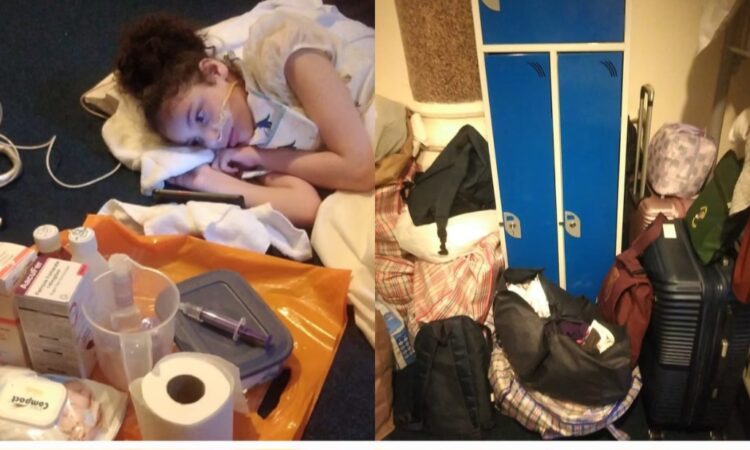
Huda says the move has made life much harder for her family. Her 12-year-old daughter has epilepsy, a heart condition, and uses a wheelchair. She relies on a large amount of medical equipment and medication every day. According to Huda, just storing her daughter’s medical supplies takes up almost an entire room.
On the day they were forced to move, the family waited in the hotel reception from 10 in the morning until 7 in the evening before transport finally arrived.
After reaching their new accommodation, Huda says the situation became even worse. She describes the room as extremely small, with barely enough space for the family to live comfortably. Her daughter is too frightened to sleep on the bunk bed provided and now sleeps on the floor. Huda also says there is nowhere to cook proper meals for her children, making daily life even more difficult.
She claims the room is so cramped that she has to change her daughter’s nappies in the corridor because there is not enough space inside. She is also worried because her daughter’s medicine needs to be kept in a refrigerator, but the new accommodation does not have one. Huda says she fears the conditions could seriously affect her daughter’s health.
Another asylum seeker, Farhad, says he was simply handed a Post-it note telling him he would be moved the following day, without any explanation. He says the Home Office did not ask about his circumstances before making the decision.
Farhad says he is a victim of human trafficking, torture and labour exploitation. He has also been diagnosed with post-traumatic stress disorder and depression. According to him, he was moved away from the area where he had been receiving treatment for his mental health. He also claims he knows someone who was undergoing chemotherapy for cancer but was relocated far from the hospital where they were receiving treatment.
Lawyers challenging the policy say the government has created unnecessary chaos by moving vulnerable people from one hotel to another without properly assessing their individual needs. They argue that this approach is not only unfair but also wastes taxpayers’ money because it has resulted in urgent legal action.
Charities supporting asylum seekers have also criticised the policy. They say families are being separated from schools, healthcare services, local communities and support networks with very little notice. According to campaigners, while the government highlights the number of hotel closures as a success, the reality for many families has been stressful and disruptive.
One mother has also begun legal action after being told she and her sons would be moved more than 500 miles away to Aberdeen just two days before one of her sons was due to sit an important A-level examination. She says the sudden relocation has caused significant distress and disrupted her son’s education.
The Home Office has defended its policy, saying it remains committed to closing every asylum hotel and moving people into what it describes as more suitable accommodation. A spokesperson said the welfare of asylum seekers remains a priority and that officials will continue working with accommodation providers to meet additional needs and reduce disruption wherever possible.