Man Who Was Stripped of His British Citizenship Over What He Did After Leaving the Country Is Begging to Return to the Uk

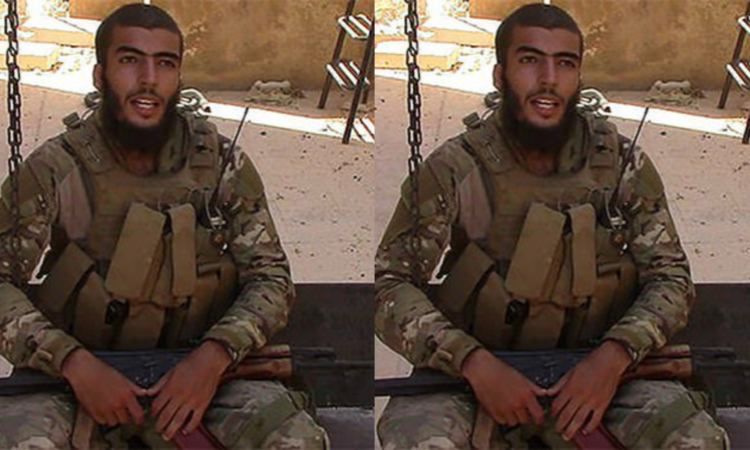
The son of controversial cleric Abu Hamza has started a major legal battle against MI5 as he tries to regain his British citizenship and return to the UK.
Sufean Kamal, 31, was born in Britain but had his citizenship removed after security officials claimed intelligence showed he had fought alongside extremist groups during the war in Syria.
The British authorities said they believed Kamal could pose a serious threat to national security if he was allowed to return. However, he strongly denies being a terrorist and says he wants to come back to Britain because his wife and children live in the country.
Kamal, who is also known as Sufyan Mustafa, is the son of Abu Hamza, the former preacher at Finsbury Park Mosque in north London. Abu Hamza, who became widely known because of the metal hook he wore in place of one hand, was later extradited to the United States and convicted of terrorism-related offences.
According to an MI5 assessment presented during Kamal’s case, extremist fighters in Syria may have welcomed him because his father was already well known as a radical preacher in Western countries.
Kamal’s lawyers, however, say the intelligence used against him was incorrect. They argue that the decision to remove his citizenship was unlawful and has prevented him from living a normal family life with his wife and children in Britain.
They insist that Kamal did not fight for Al Qaeda or any other extremist organisation. Instead, they claim he joined rebel forces fighting against the government of former Syrian president Bashar al-Assad.
His legal team says he fought alongside the Free Syrian Army, a rebel group that received support from Britain and several other Western countries during parts of the Syrian conflict.
They told the court that Kamal travelled to Syria to fight against terrorists, not to become one. They also said he stayed away from extremist groups while living in the northern part of the country.
The case was heard at the Special Immigration Appeals Commission, a specialist court that deals with immigration and national security matters. Because the case involves sensitive intelligence, MI5 provided secret information to a panel of three judges.
An MI5 officer, identified only as MT, gave evidence from behind a curtain to protect his identity. Kamal watched the hearing through a video link from an undisclosed location in Syria.
Court documents say Kamal travelled to Syria in April 2013. This was around a year after his father was extradited to the United States to face terrorism charges, including allegations that he had tried to establish a militant training camp in Oregon.
Kamal’s lawyers claim he spent his time in northern Syrian cities and fought with the Free Syrian Army, which they described as a non-extremist rebel force.
However, the British government says that by 2016, there was enough intelligence to suggest Kamal was fighting for extremist organisations, including the Nusra Front, which was linked to Al Qaeda in Syria.
MI5 later advised the home secretary at the time, Amber Rudd, to remove Kamal’s British citizenship.
The security service warned that Kamal could use the experience and connections he gained in Syria to support extremists living in the UK.
Its assessment said there was a genuine risk that he could help people in Britain become involved in extremist activities if he were allowed to return.
Court papers also revealed that Kamal attempted to travel back to the UK through Istanbul in January 2019. However, he was arrested in Turkey and reportedly detained there for around two years.
Turkish intelligence officers questioned him about his activities in Syria. The authorities also attempted to deport him to Morocco because his mother is Moroccan and he may be able to apply for citizenship there.
That attempt was unsuccessful, and Kamal is now believed to be living in Syria.
Speaking to the court by video link, Kamal said the decision to take away his British citizenship had badly affected both him and his family.
He told the judges: “Taking away my citizenship has affected me and my family. I am not a terrorist.”
Kamal has previously argued that he should not be judged because of his father’s actions or beliefs.
In 2017, he said Britain was the country where he was born and raised and insisted that he had never been a threat to British national security.
He said Abu Hamza had his own views and that he had different opinions. He also argued that the government should not be allowed to remove his citizenship simply because he is Abu Hamza’s son.
Abu Hamza was sentenced to life in prison without the possibility of release in the United States in 2014.
Several of Abu Hamza’s sons have also been convicted of serious crimes, including terrorism offences, armed robbery, fraud, drug dealing and burglary. Reports say four of his six sons have received prison sentences totalling at least 40 years in Britain.
The government maintains that its decision concerning Kamal was based on intelligence about his own activities, rather than simply his relationship with his father.
Kamal’s legal team continues to challenge that claim, arguing that the evidence against him is unreliable and that he should be allowed to return to Britain to live with his family.
The judges will now have to decide whether the government acted lawfully when it removed his British citizenship and whether he should be allowed to regain his right to return to the UK.